We're here to help you with information about Berkley products. Just give us a call or send us an email.
Review our articles to find the information you need. Apply the filters on the right to narrow your search.
In the summer, predator fish like walleyes, pike, bass, and crappies will be wherever their food is. If there isn't something for them to eat in an area, they simply won't be there, or at least they won't be there very long.
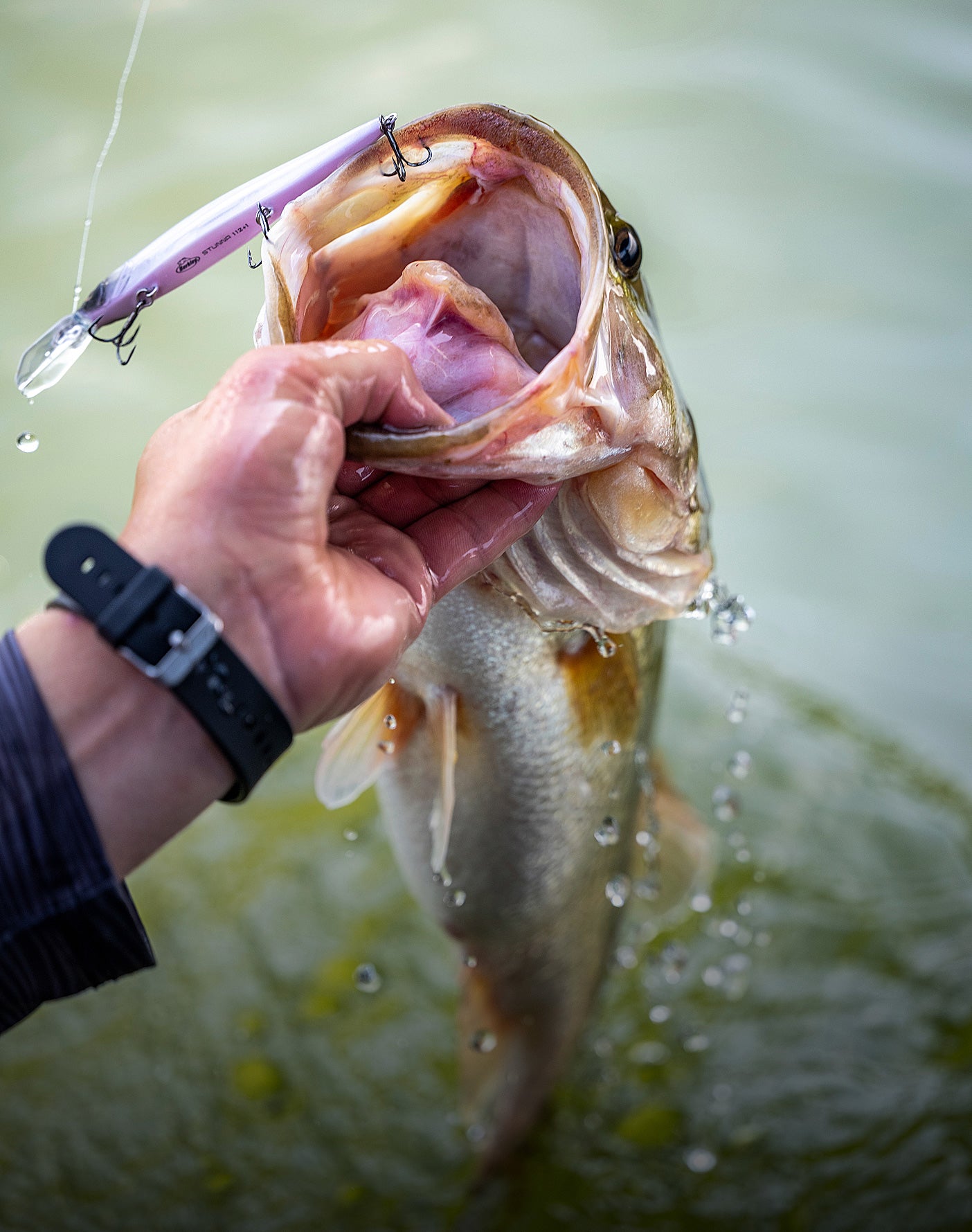
If you spend time at the lake, either at the marina or around the boat slips, undoubtedly you’ve noticed bass cruising around. You’ve probably been on the water since before sunrise, made a long run to an end of the lake and all the while there are bass within a short walk of a hot cup of coffee and an indoor restroom. It can be frustrating.
There are a lot of different ways for an angler to present a bait to fish, but trolling and casting are two of the most popular methods, and also two of the most productive. Let’s talk about when casting works best and when trolling works best.
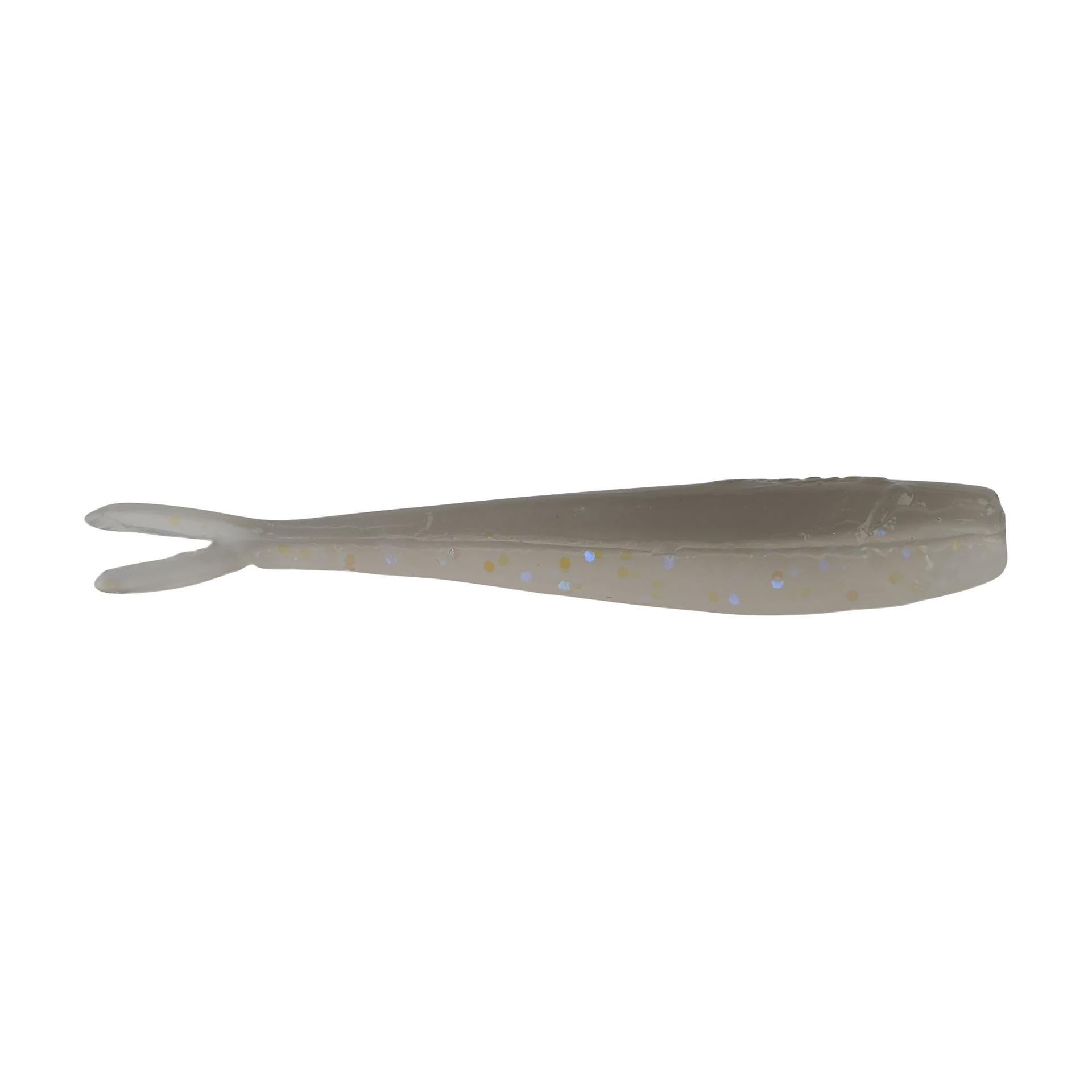
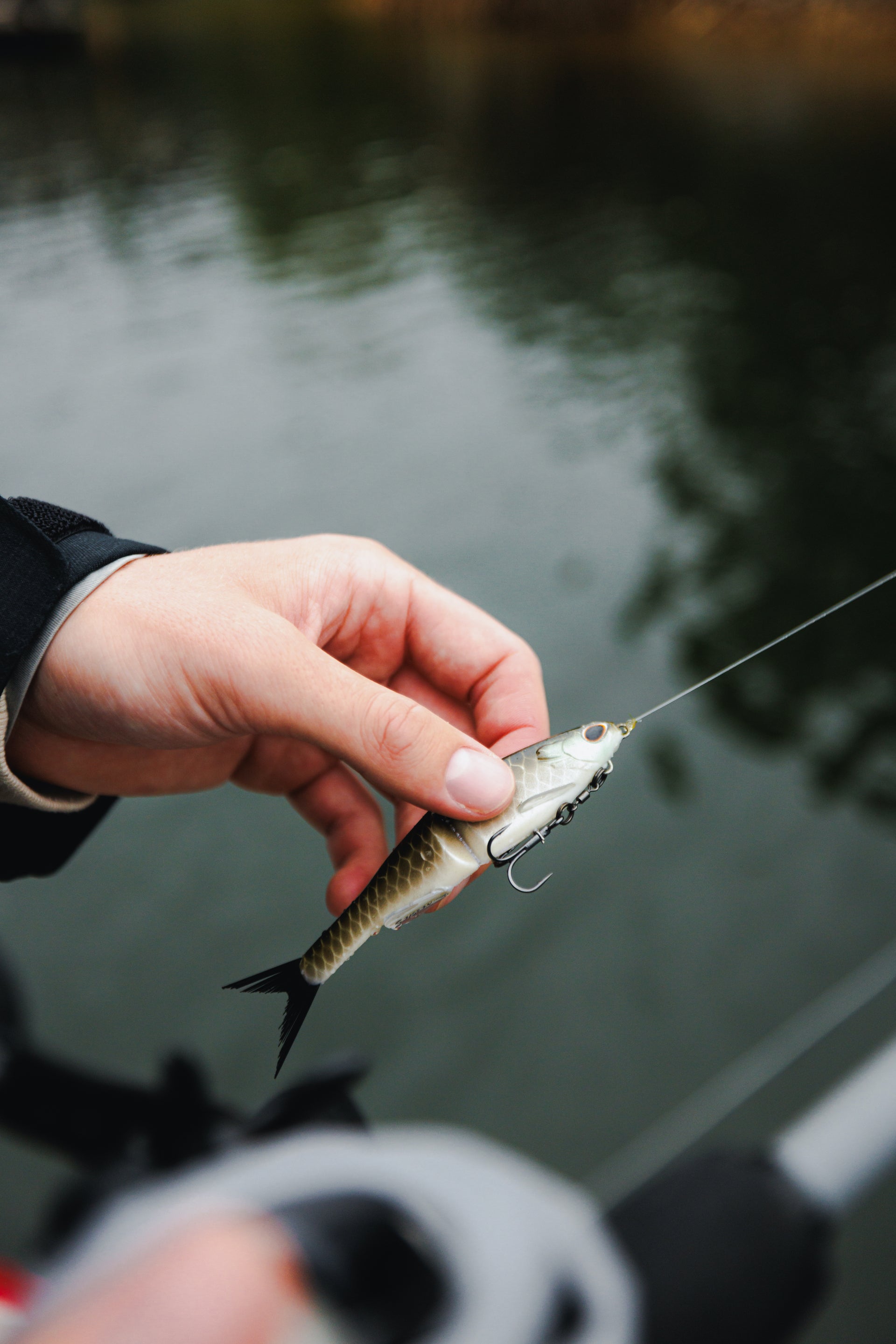
By this time of year, throughout many parts of the country, bass have seen a fair amount of fishing pressure. Common sense tells us that bass in this situation can become harder to catch and luring them to bite requires downsizing both line and bait. While this may be a good tactic for most places, targeting pressured bass in summer doesn’t always require picking up a spinning rod and a finesse bait.
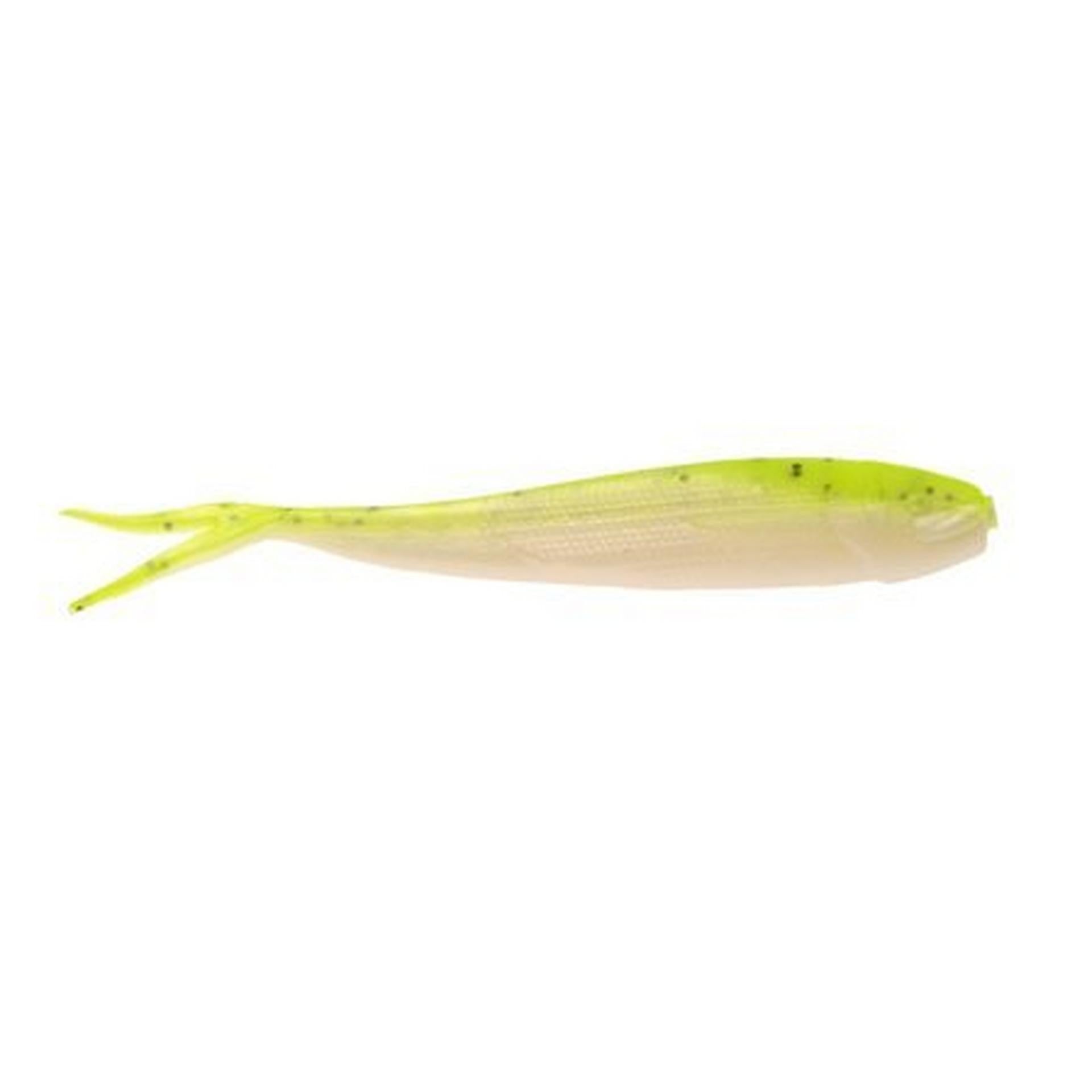
Some people think that the summertime is not the best time to catch bass – much less big bass. The hotter and higher the sun gets, the better sitting in front of the air conditioner begins to sound. It’s during this time of year that too many anglers opt for sipping iced tea instead of fishing.
Conservation in the sportfishing industry is akin to the Marine Corps – it is comprised of “a few good men” doing the work for tens of thousands of anglers. Of course there are lots of other organizations taking leadership in sportfishing and aquatic resource conservation as well, with Trout Unlimited and the Coastal Conservation Association being prime examples. But, from a pure, for-profit industry standpoint, when you look at it, it is just amazing what these industry guys do, and the commitment of their companies to have them doing it!
It’s not unusual for people to equate bass fishing with the shallow-water flipping and pitching that goes on so many places throughout the country. True, largemouth bass, when they inhabit structure-filled water sheds, will be found regularly around the bank, near blown-down trees, hydrilla, lilipads and other places that provide them outstanding places to both forage and hide.
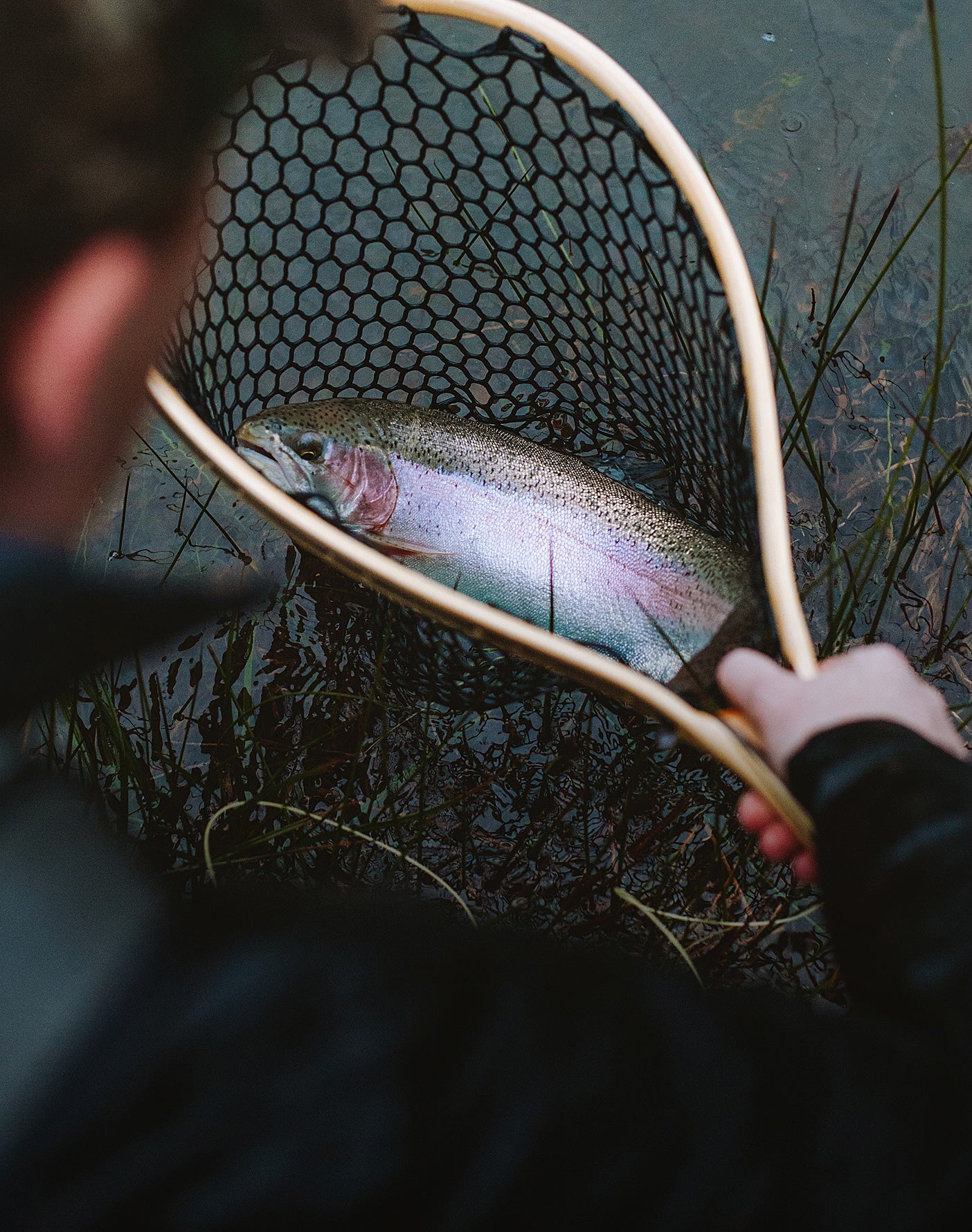
Fishing season throughout the Midwest is officially here. Bass and muskies are still protected in some areas, but for the most part anglers are out fishing and catching. This is a good time for some reminders on increasing your catch by using landing nets appropriately.
Even without a calendar and temperature changes, there’s an easy way to mark the arrival of summer: the massive quantities of pleasure boaters taking to local lakes. Now don’t get me wrong, I love being out on the water as much as anybody and I understand that people would want to ski or tube or just enjoy the scenery. But if you are like me and trying to catch a fish, you’d prefer to avoid the traffic.
You know the local lake that you spend all your time fishing? The one with all those houses that line the shore – the houses with all the boat docks? Those docks might be clogged with people loading and unloading boats and having all kinds of fun, but some of the best crappie fishing can be found directly below them at almost any time of year.