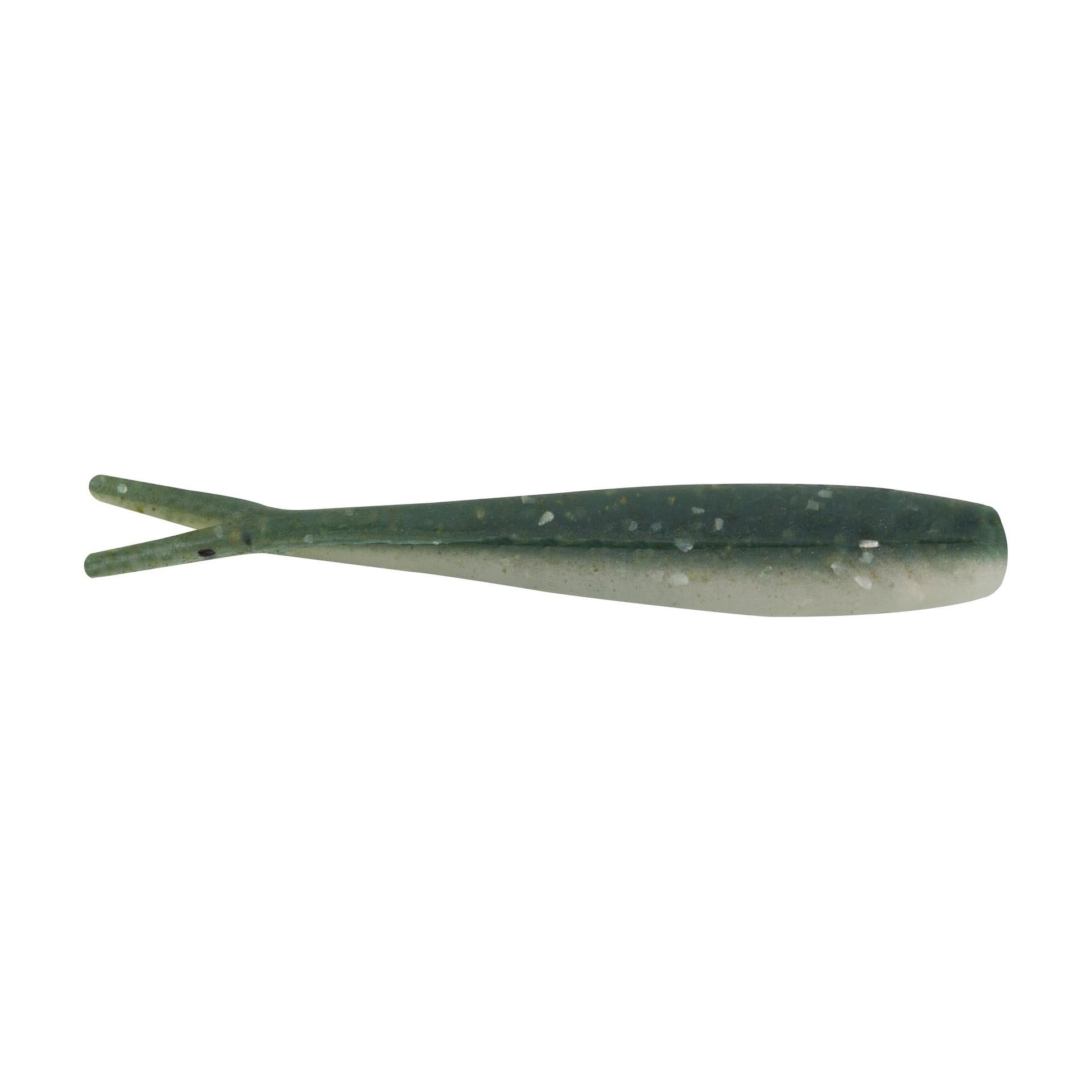
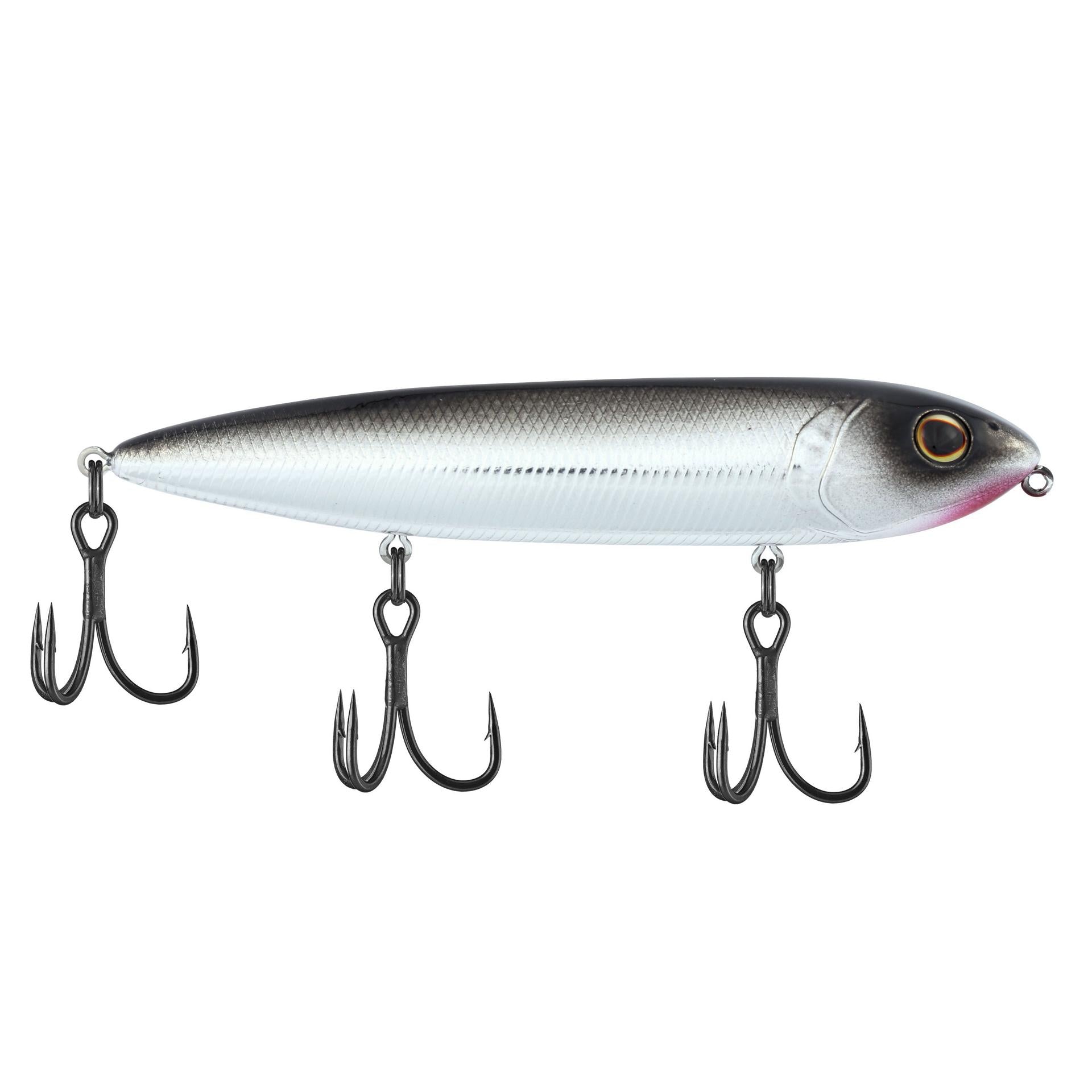
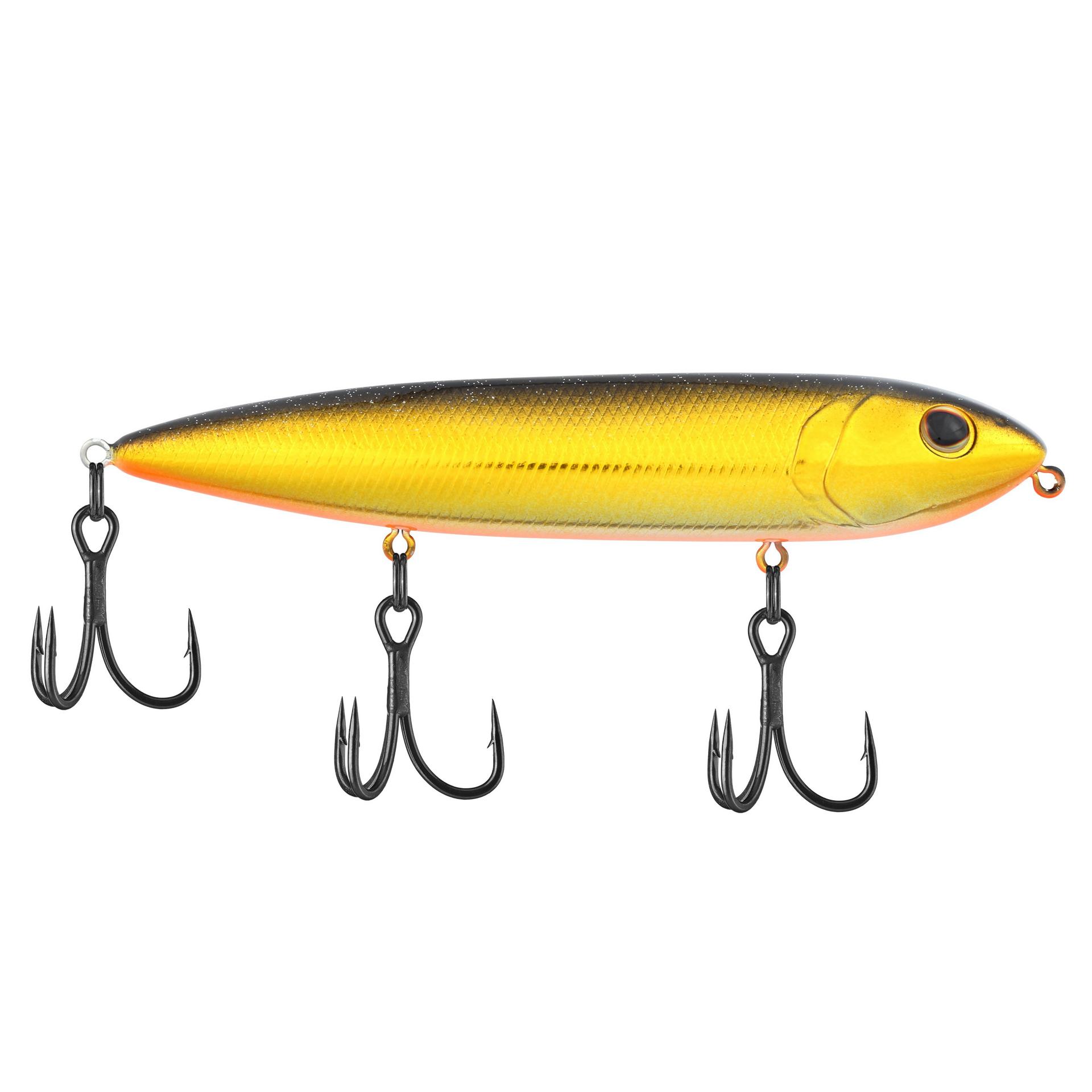
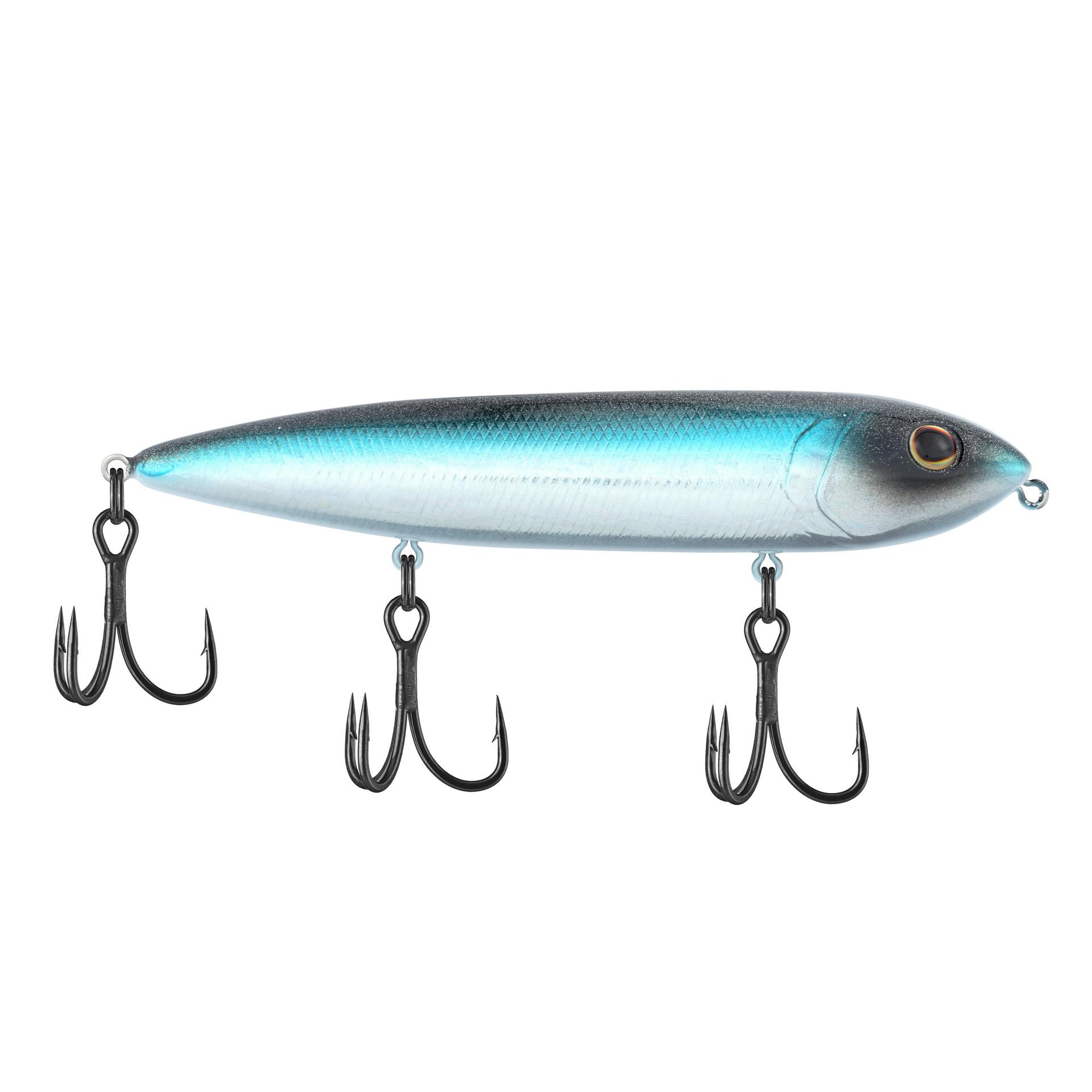
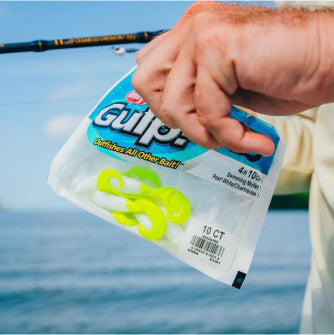
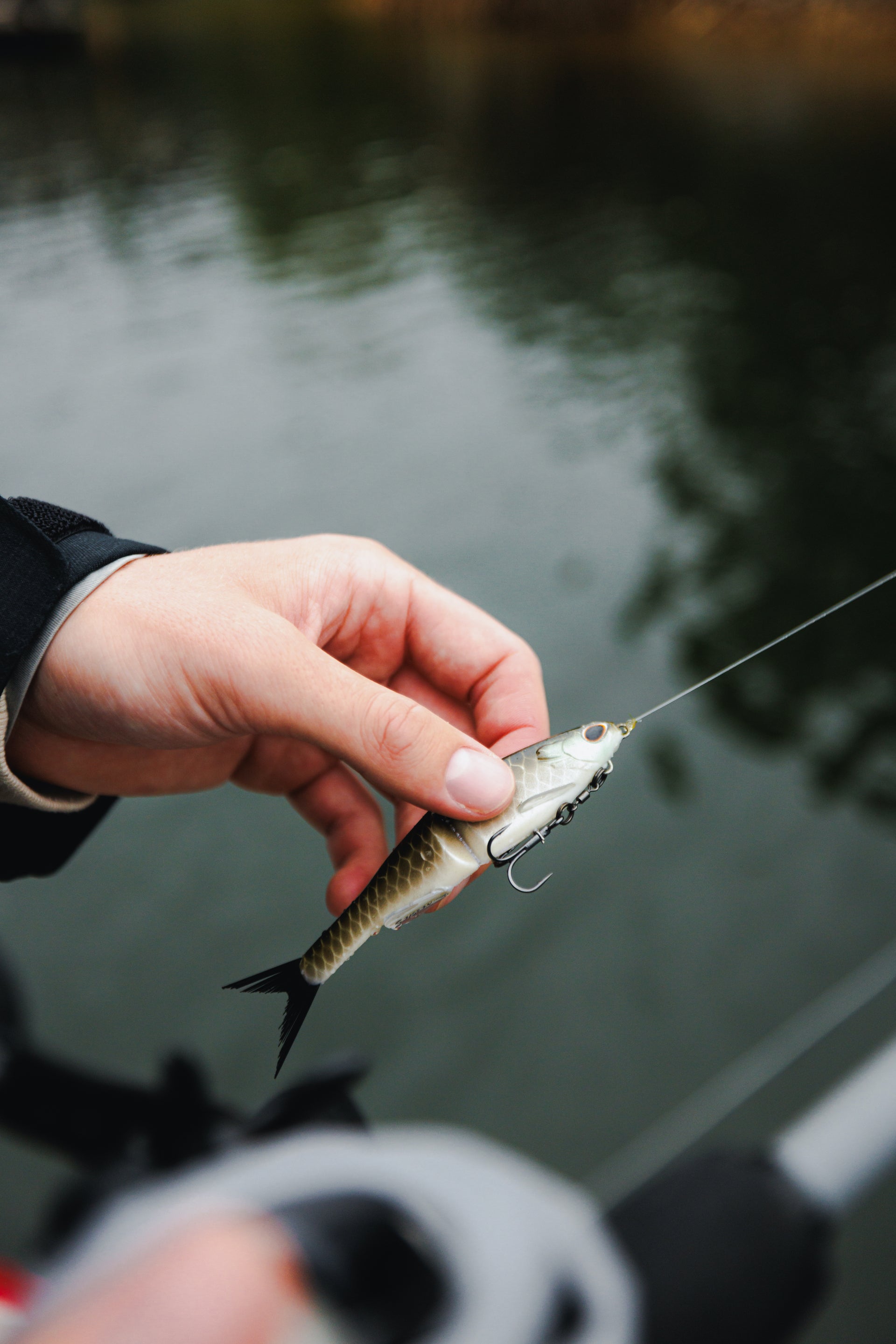
Limited Time Offer
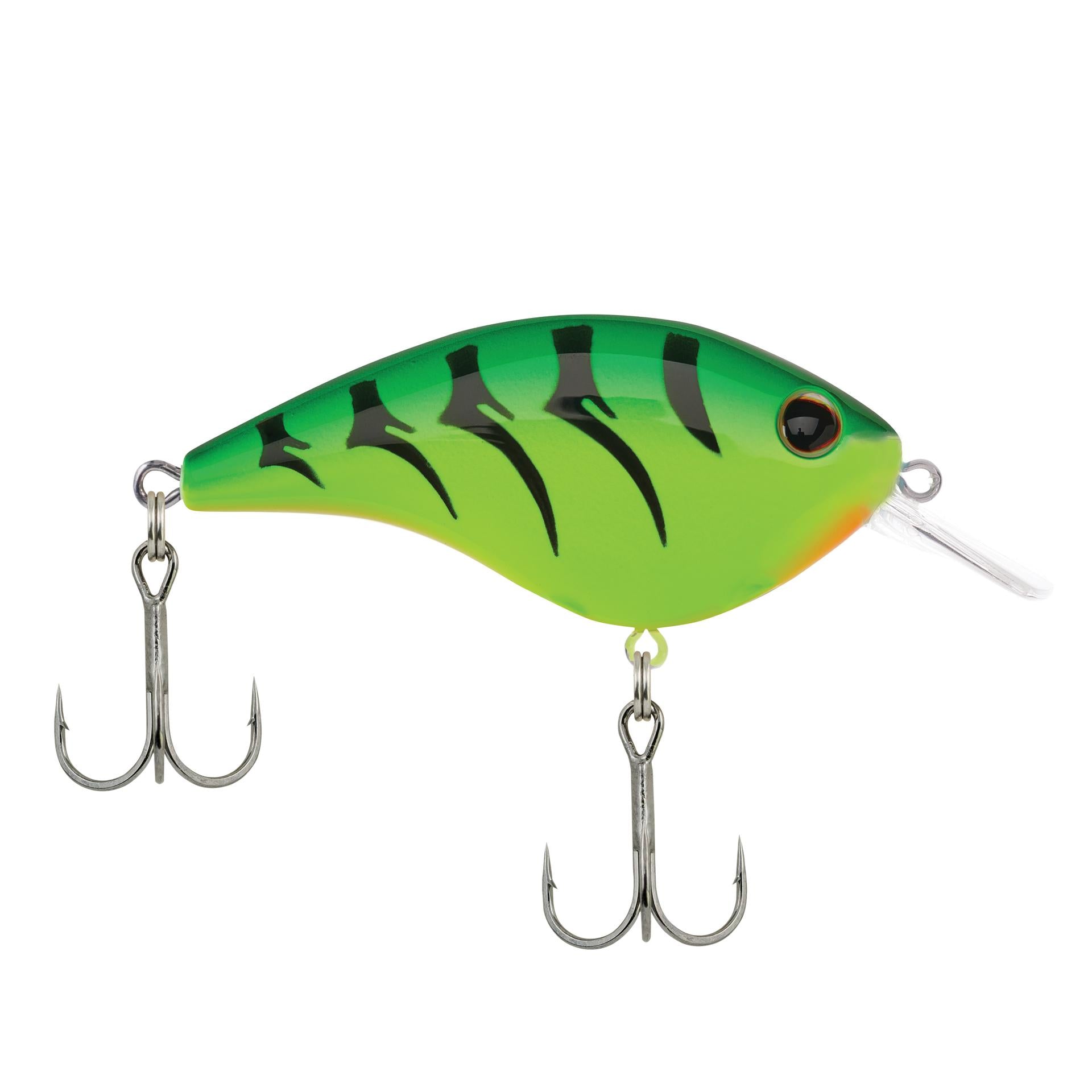
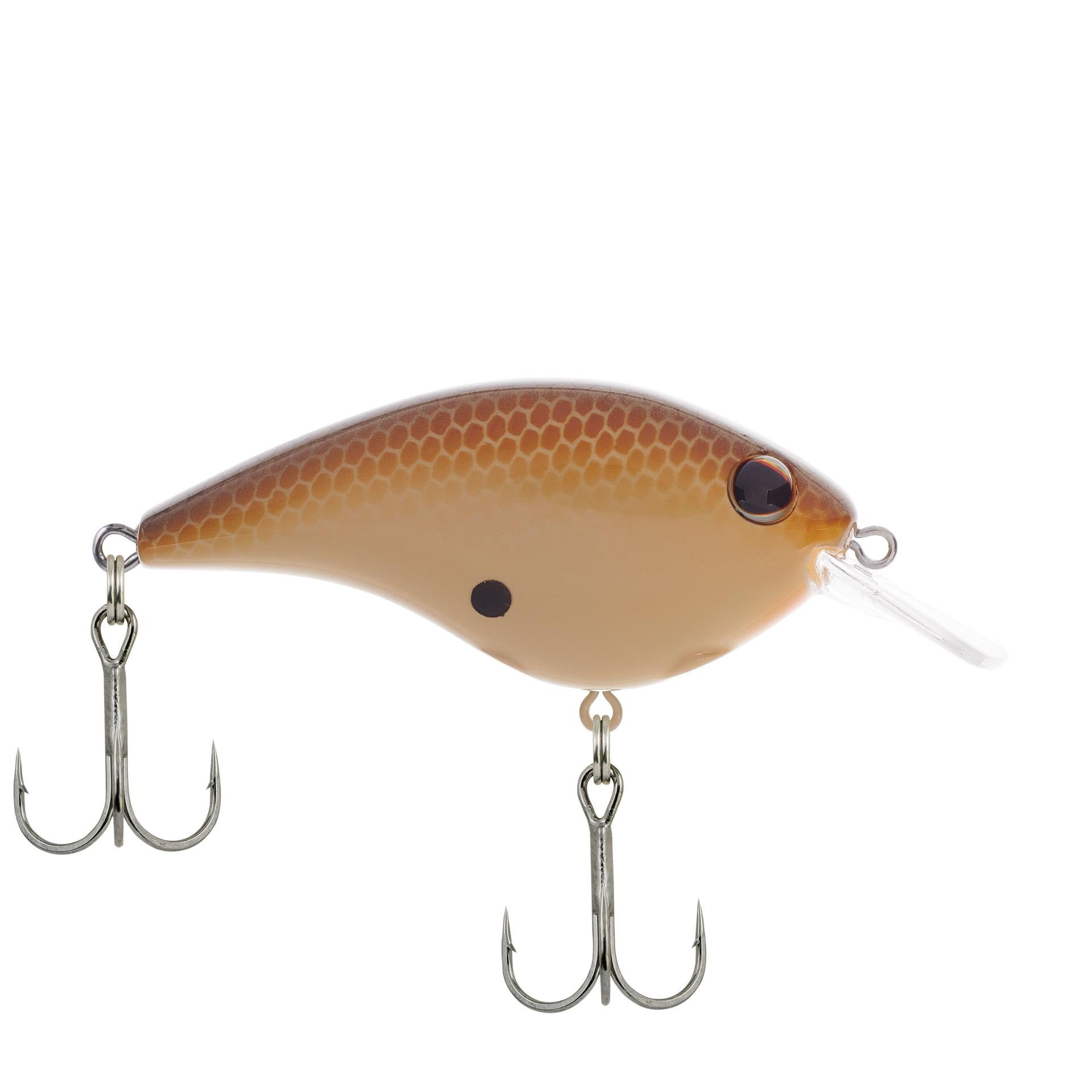
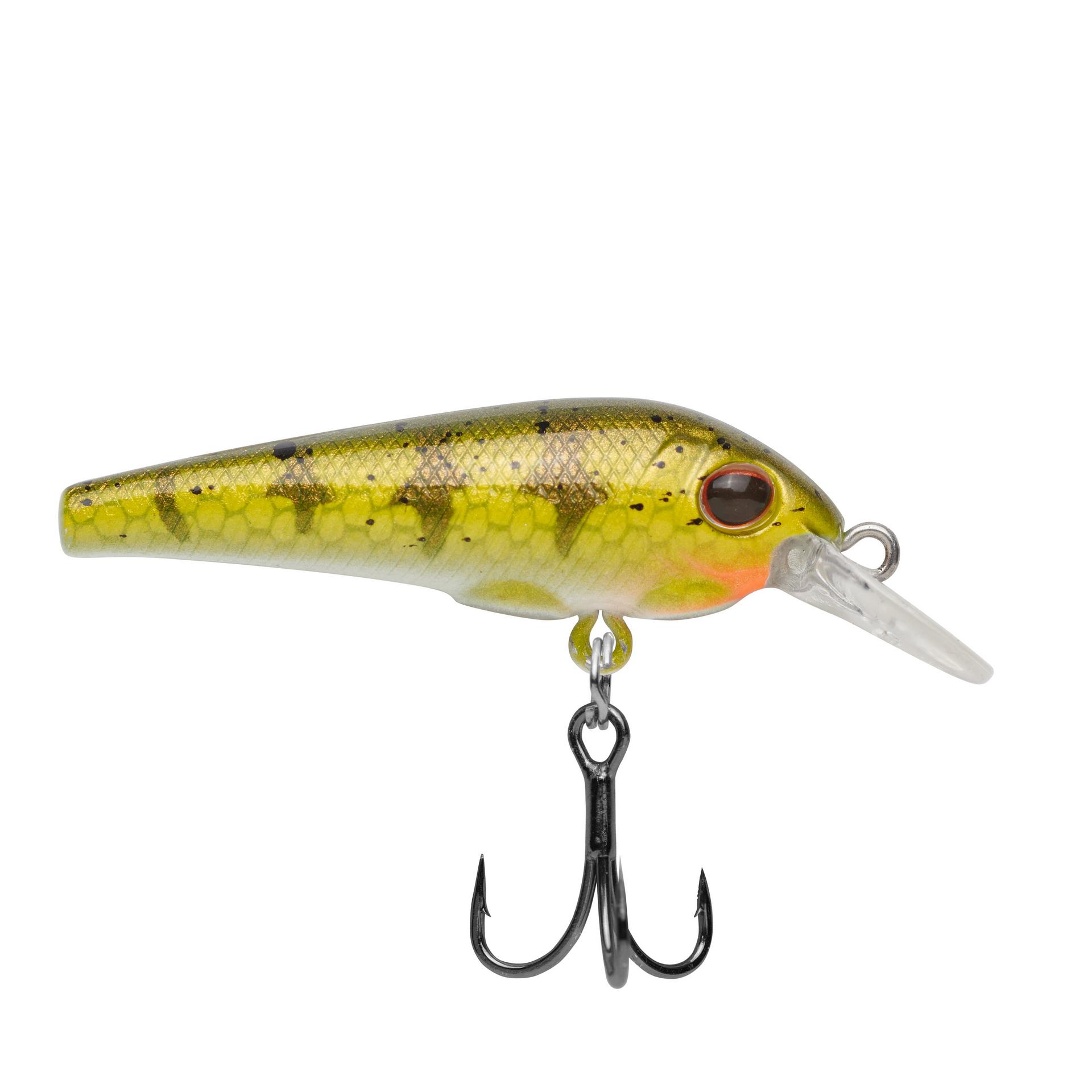
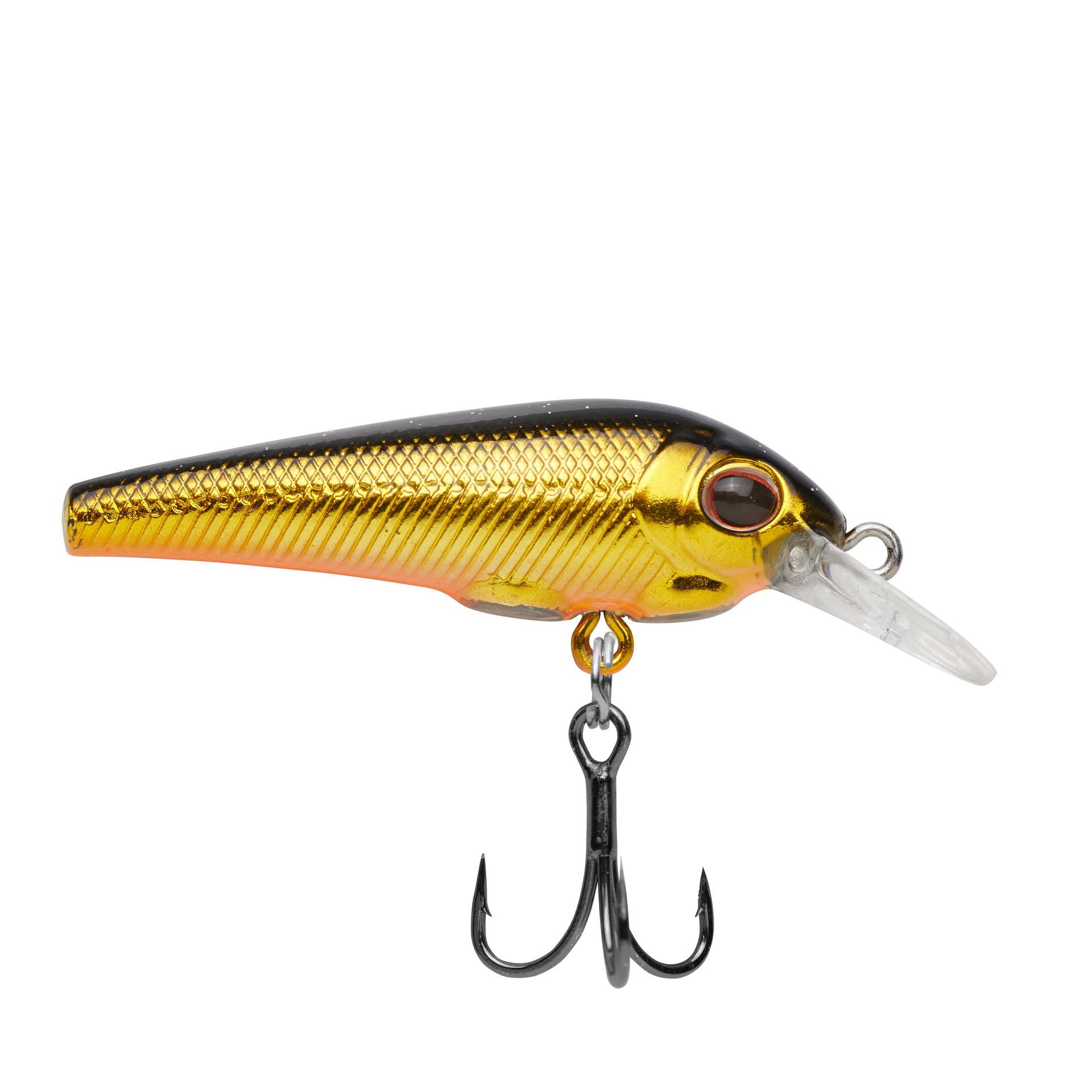
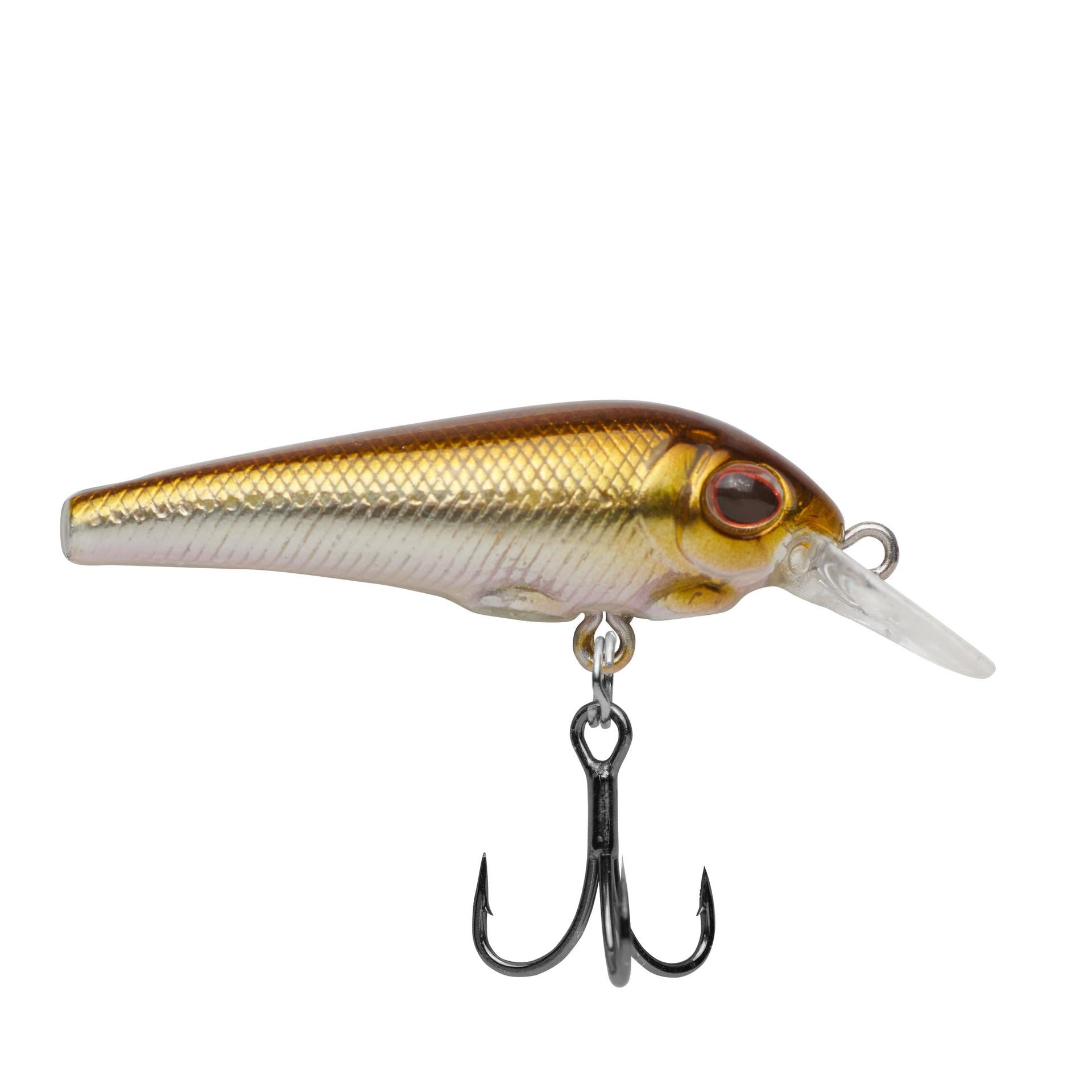
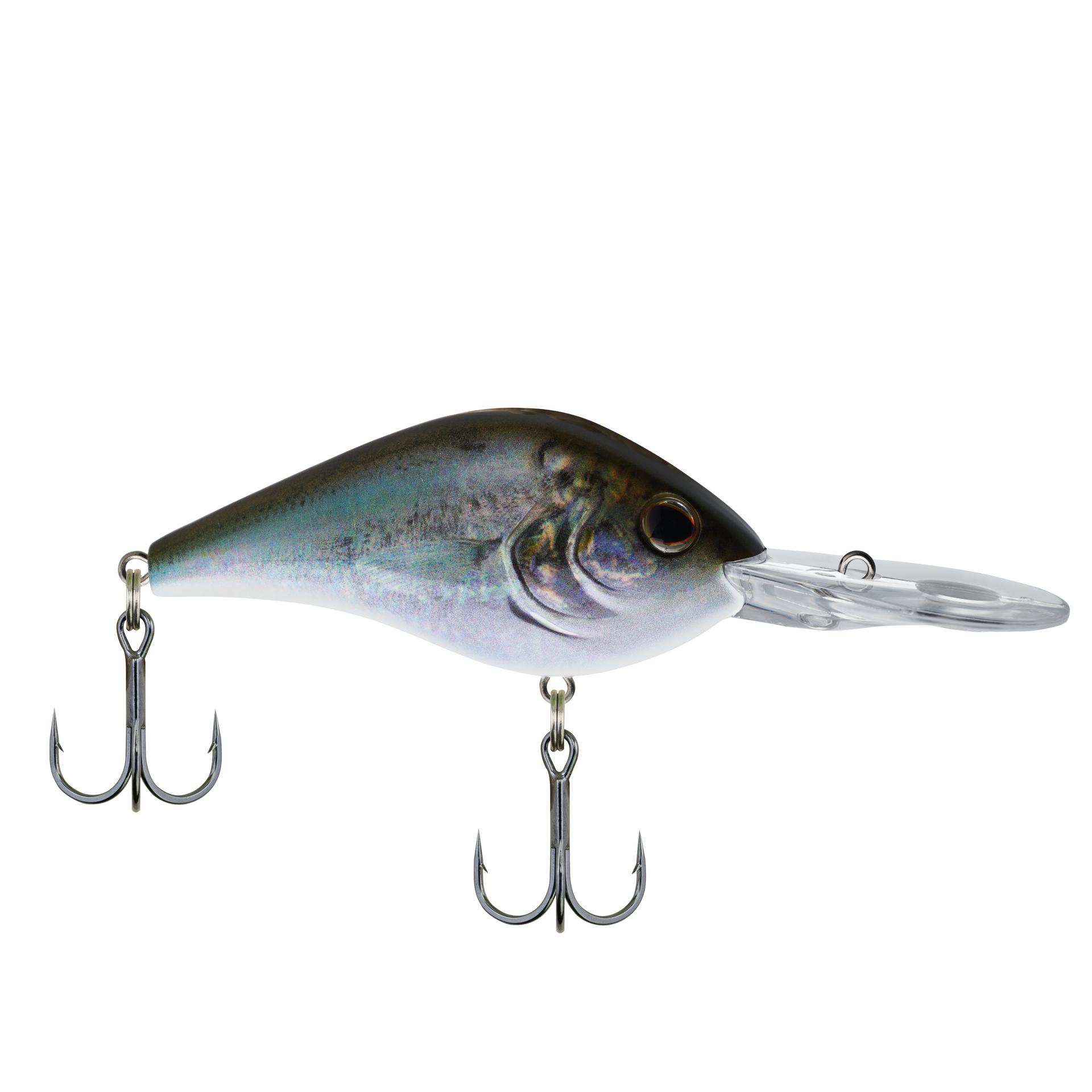
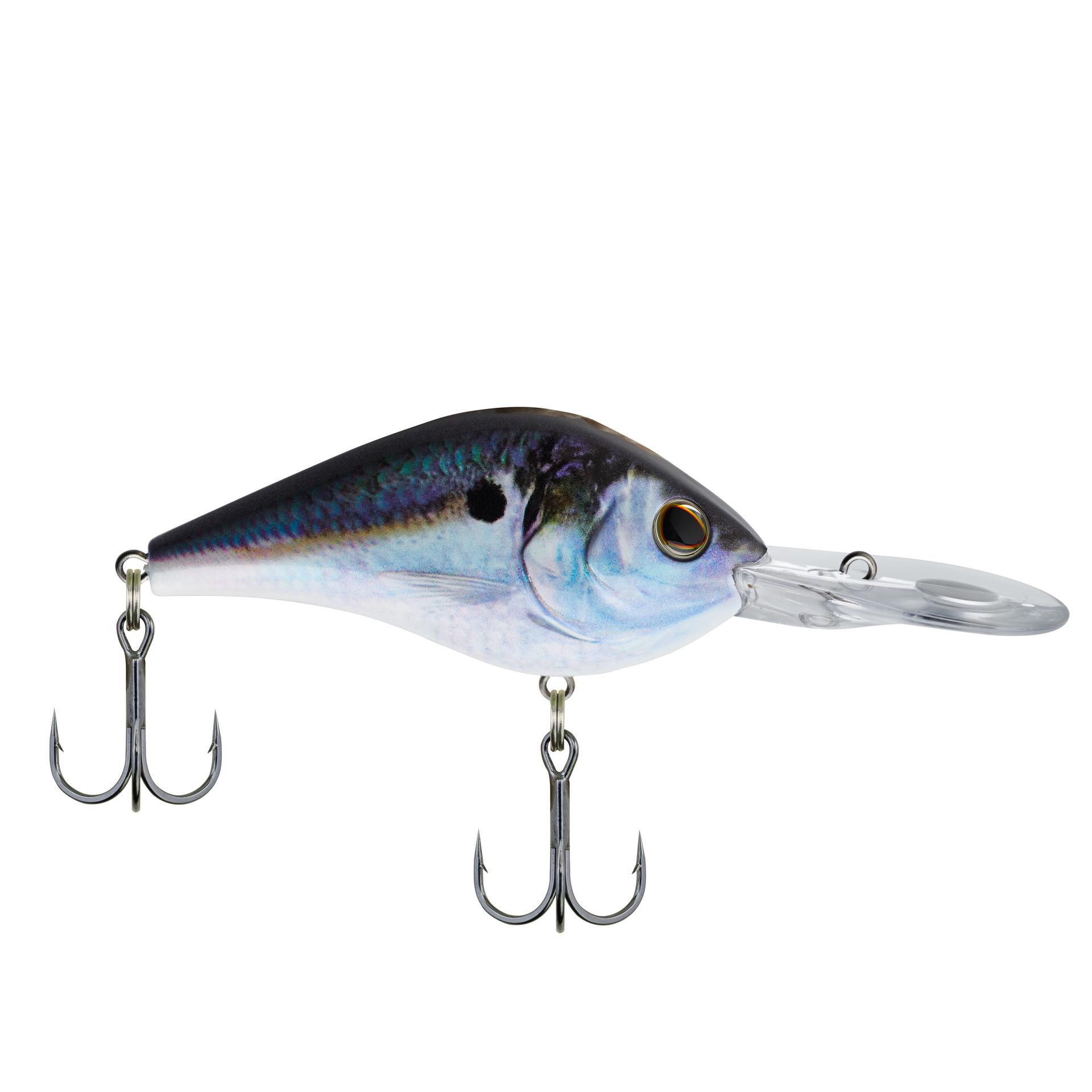
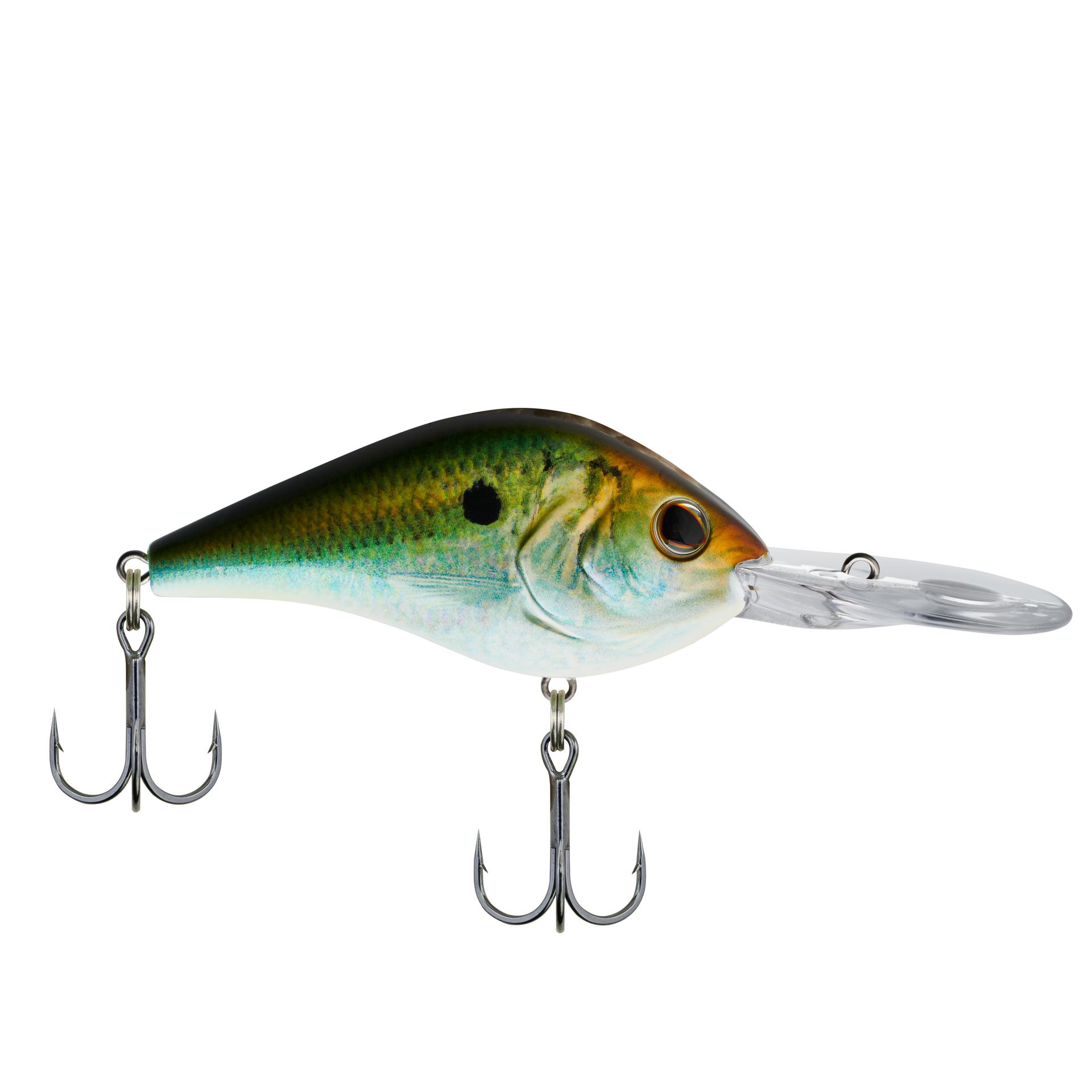
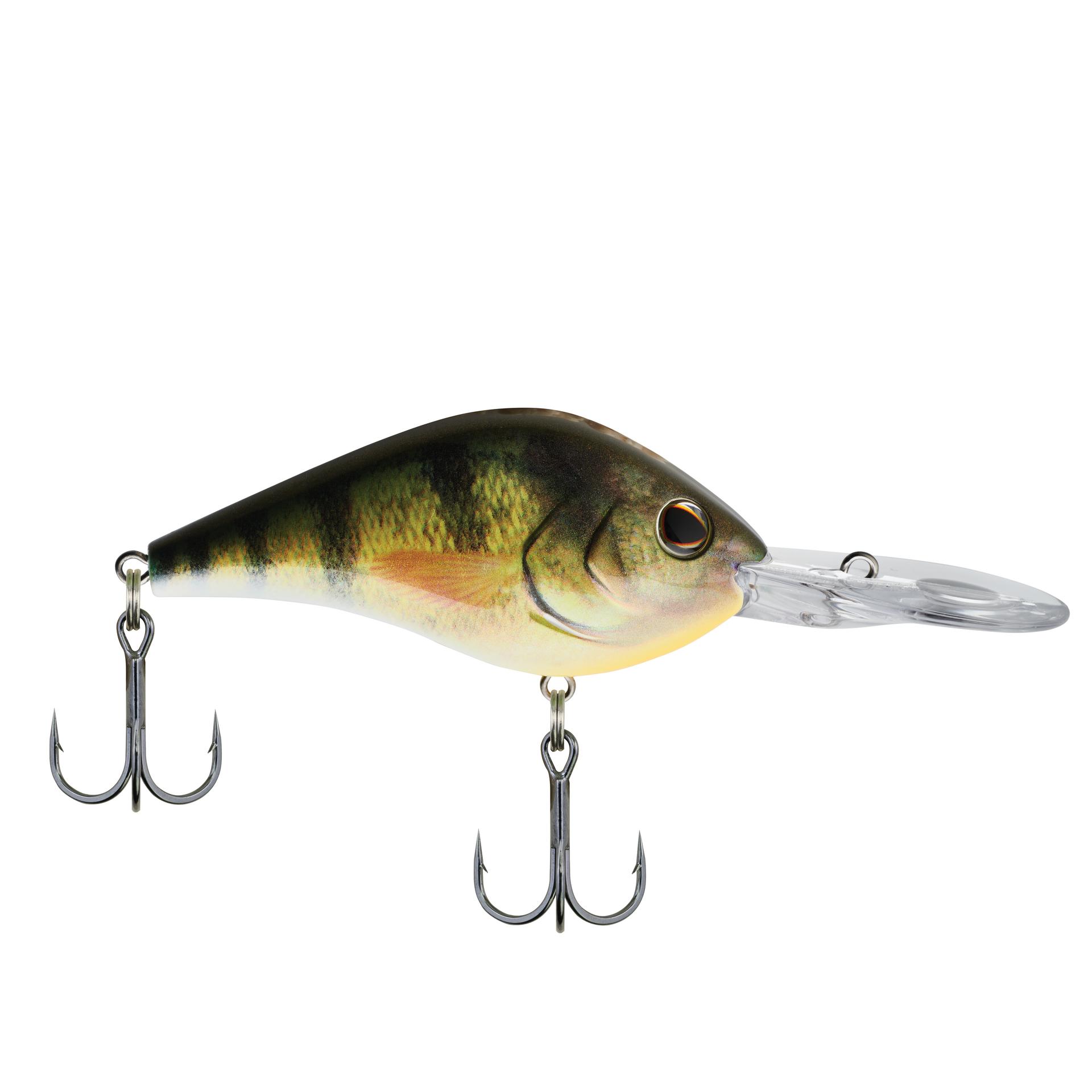
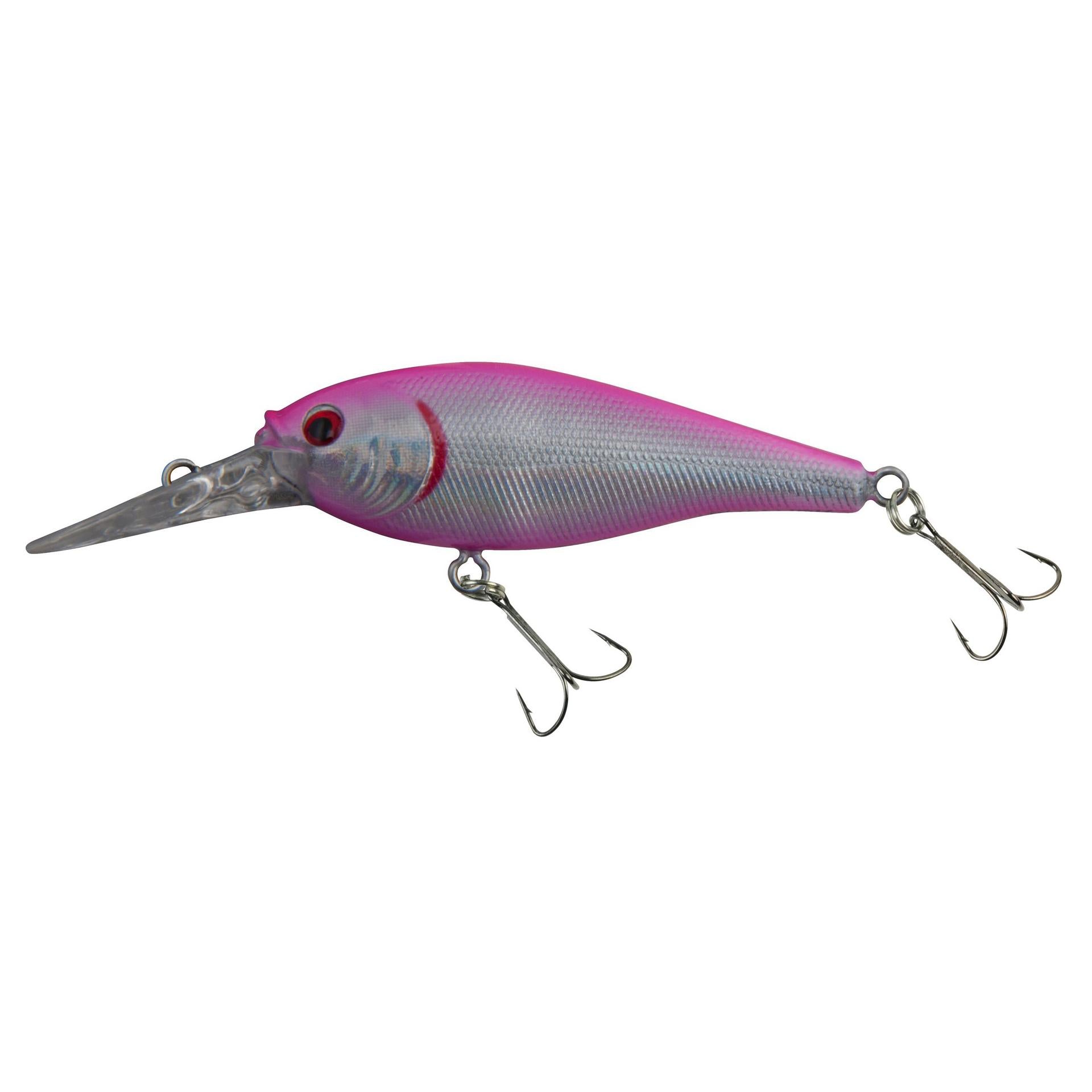
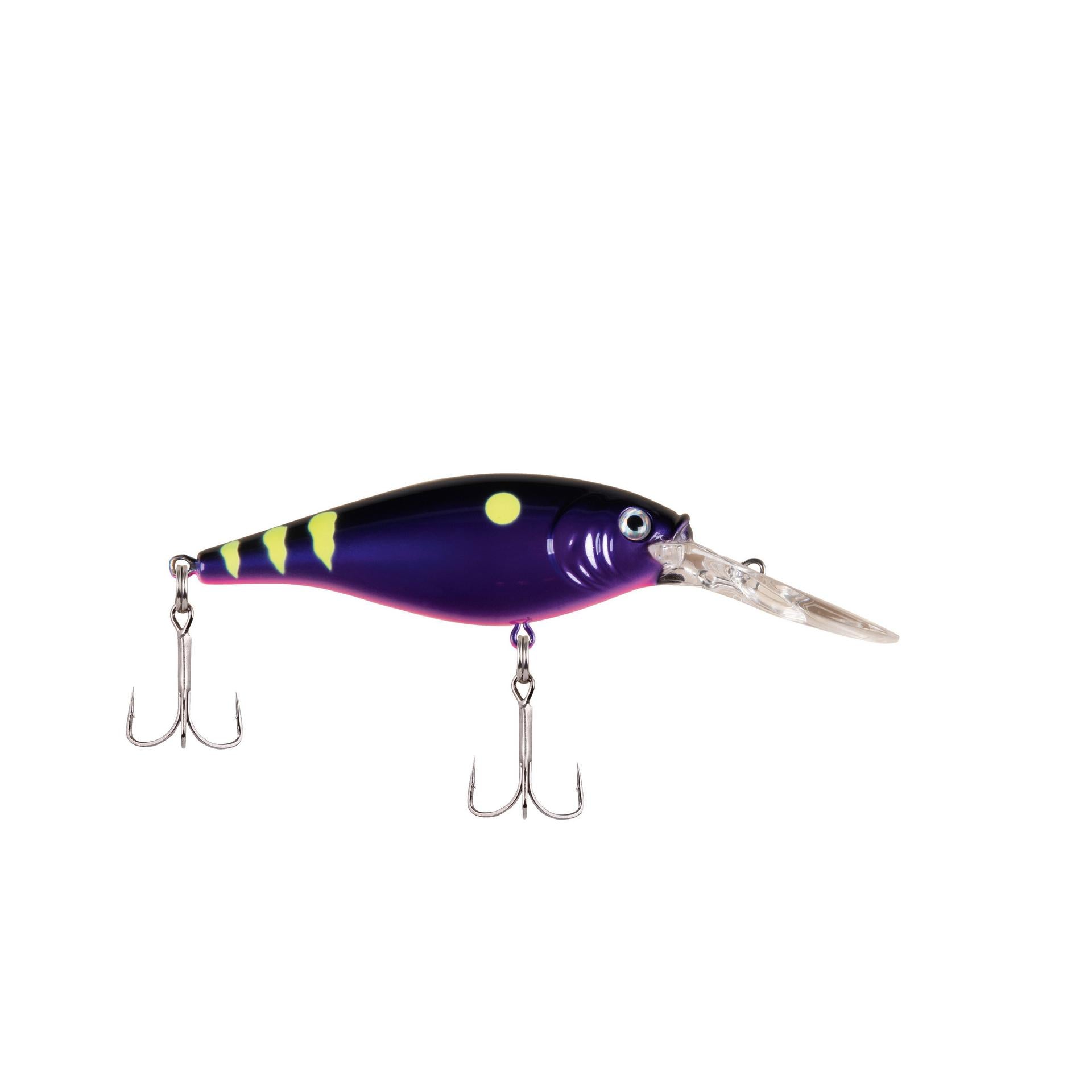
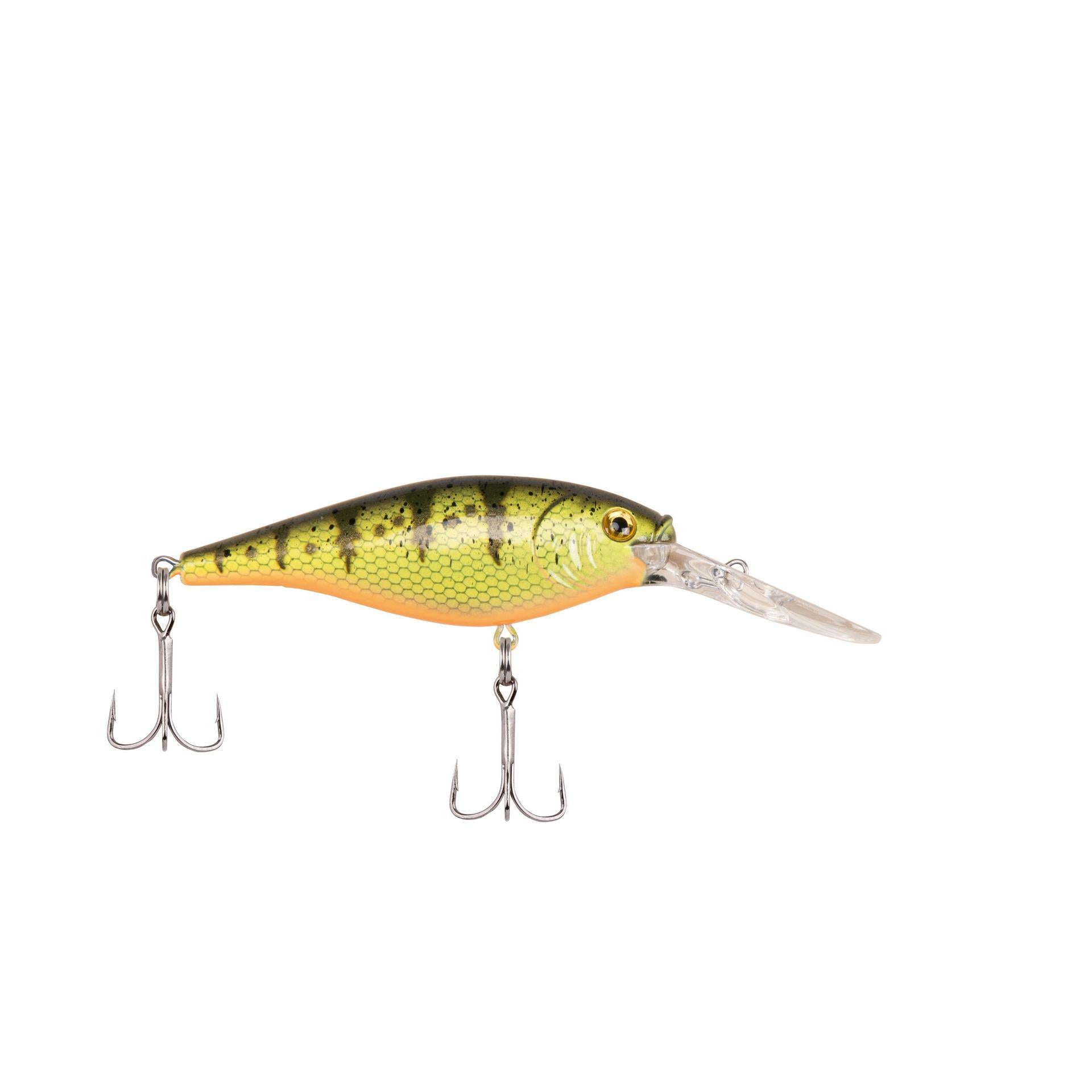
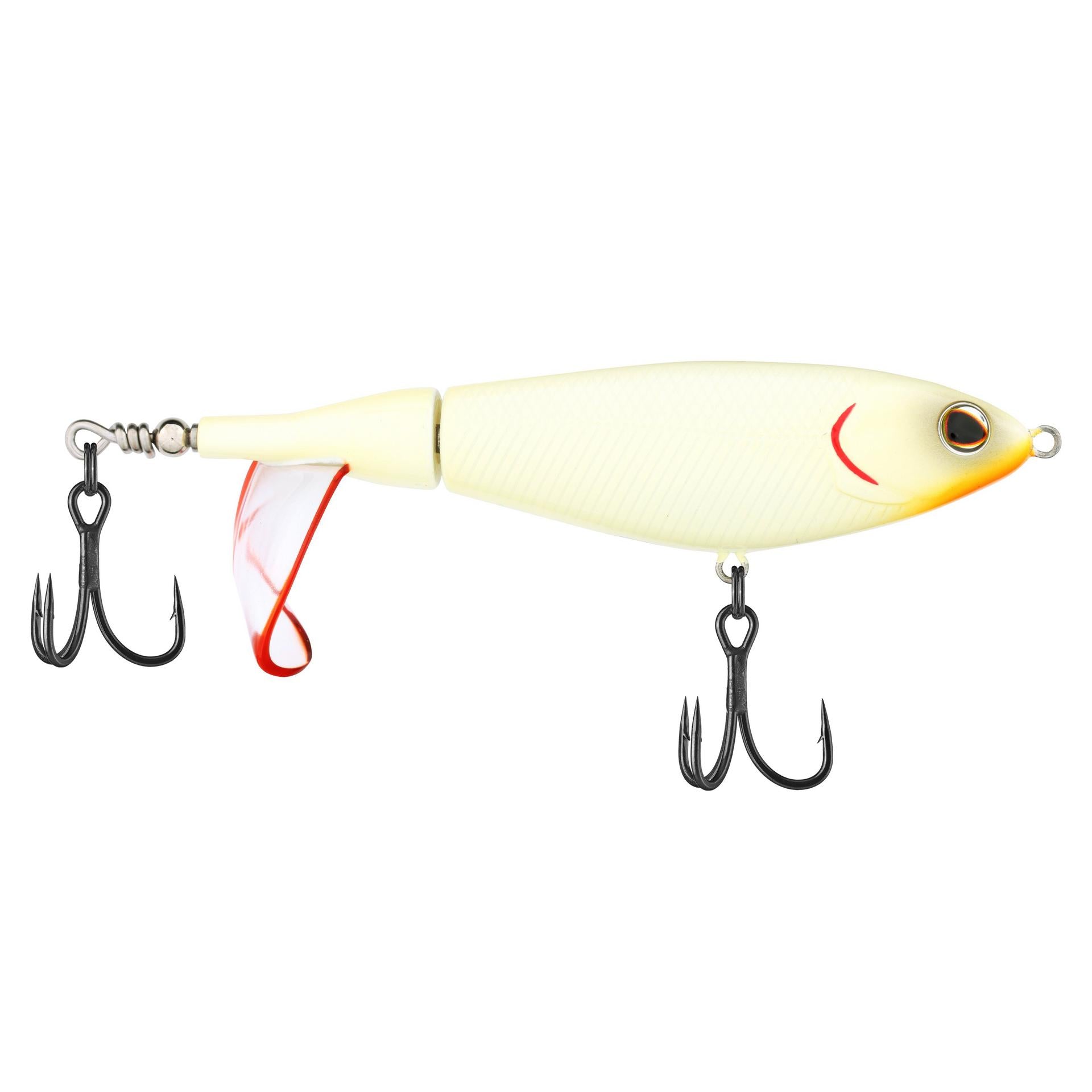
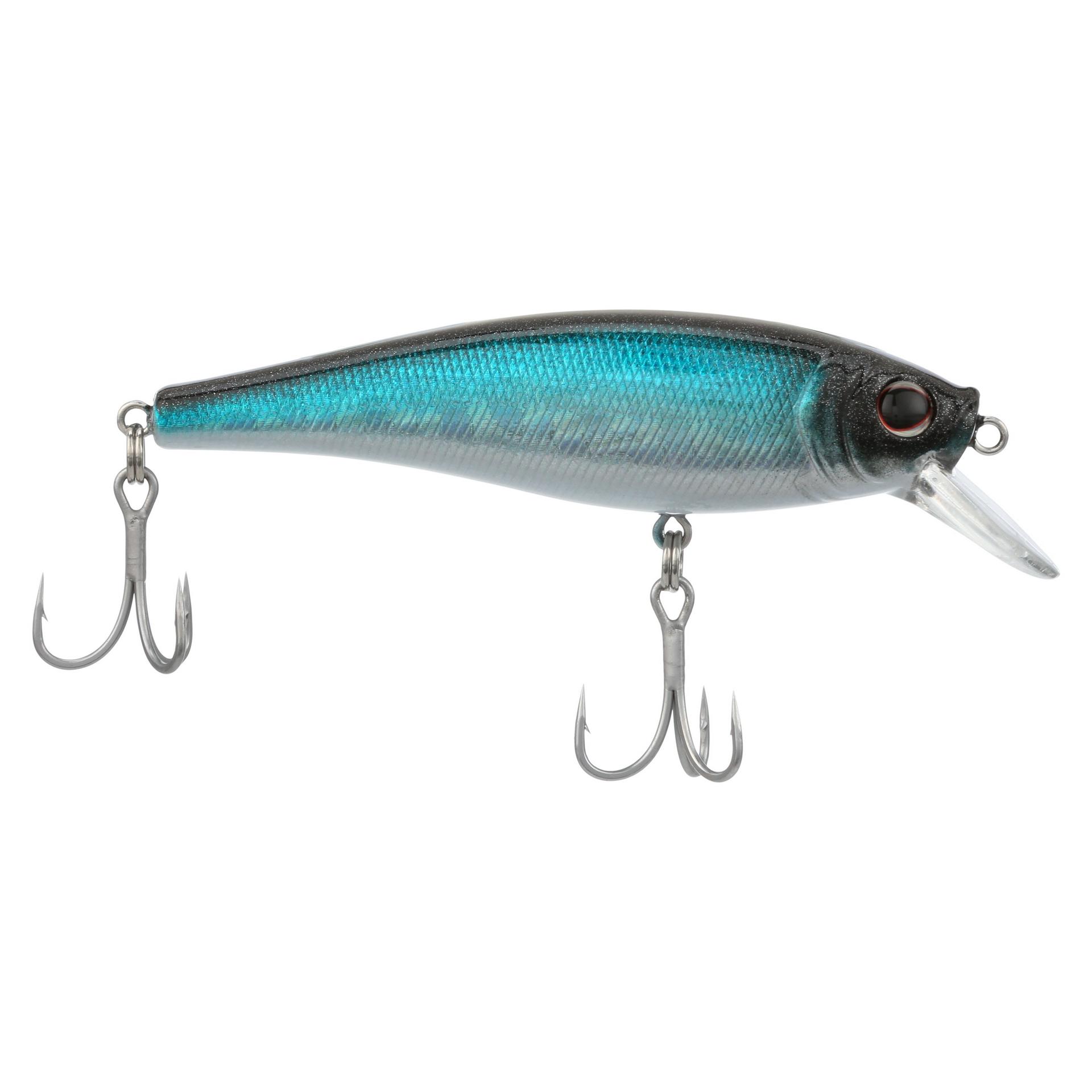
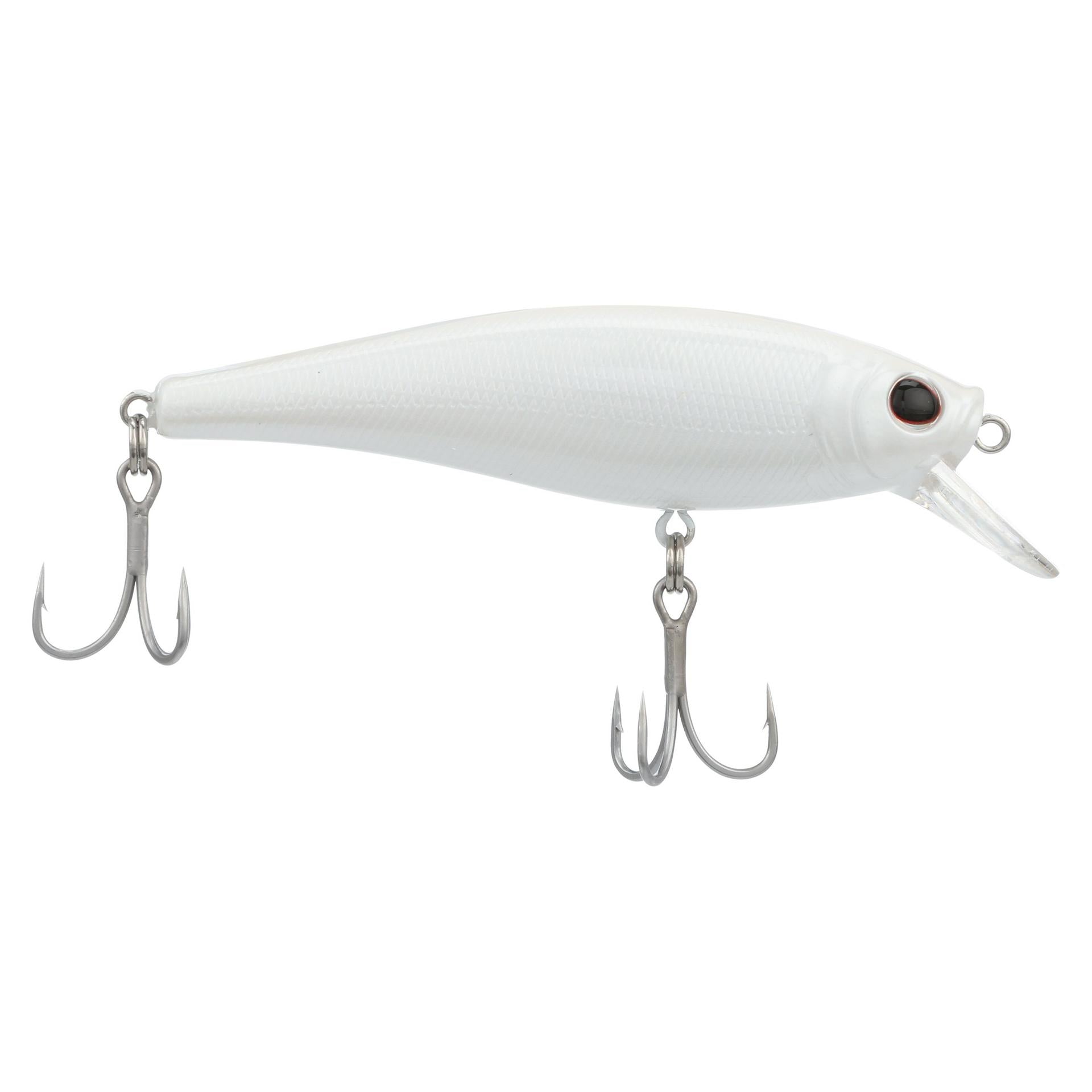
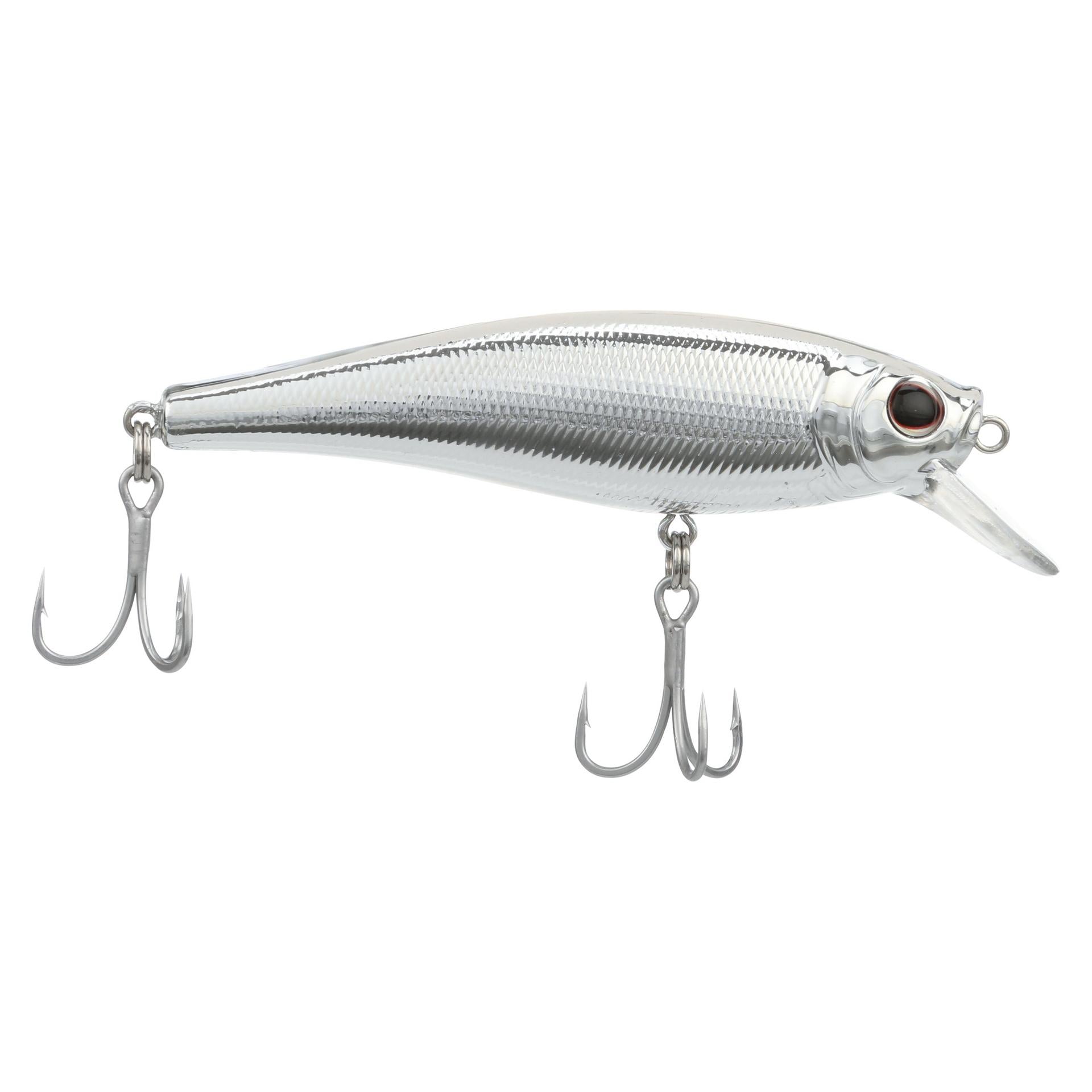
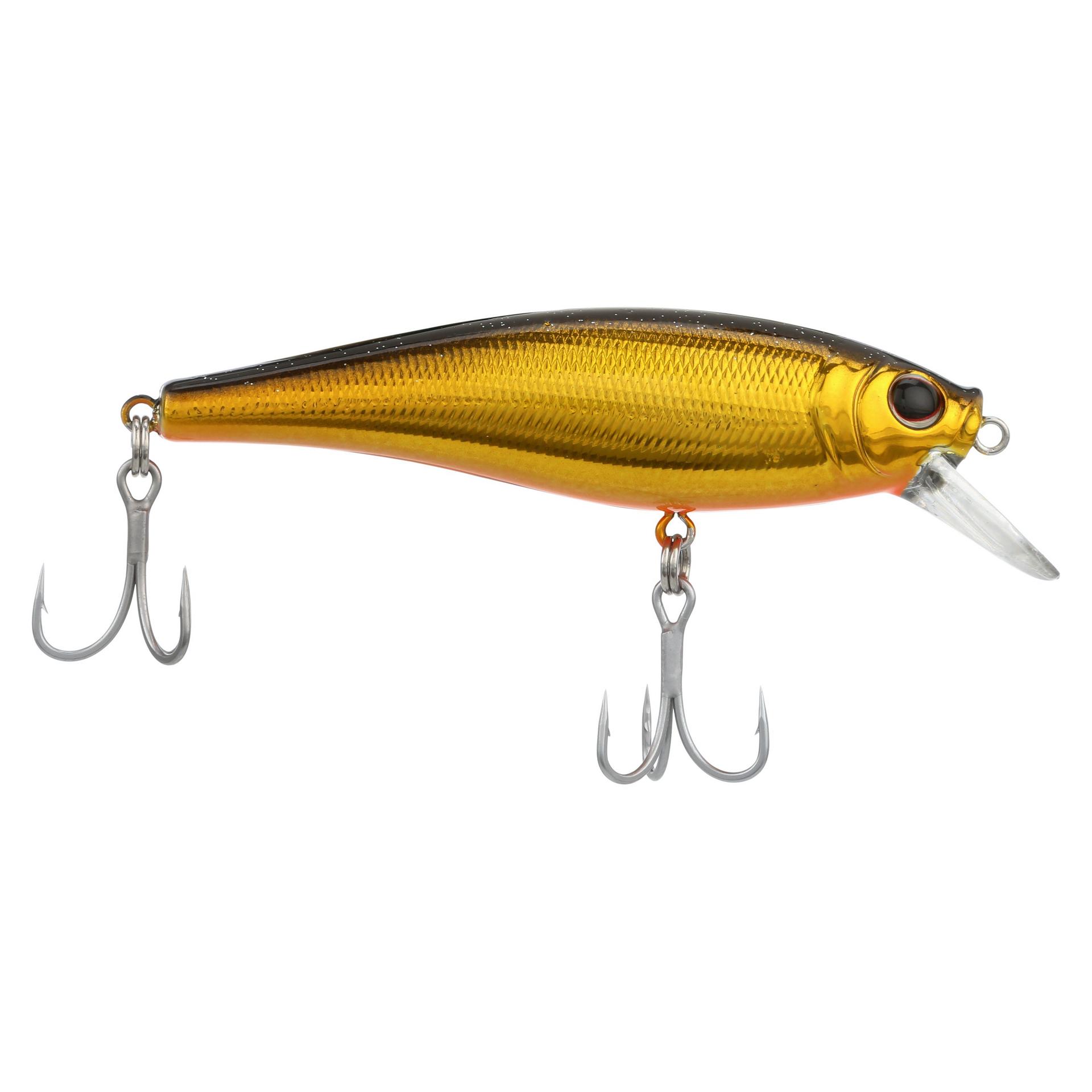
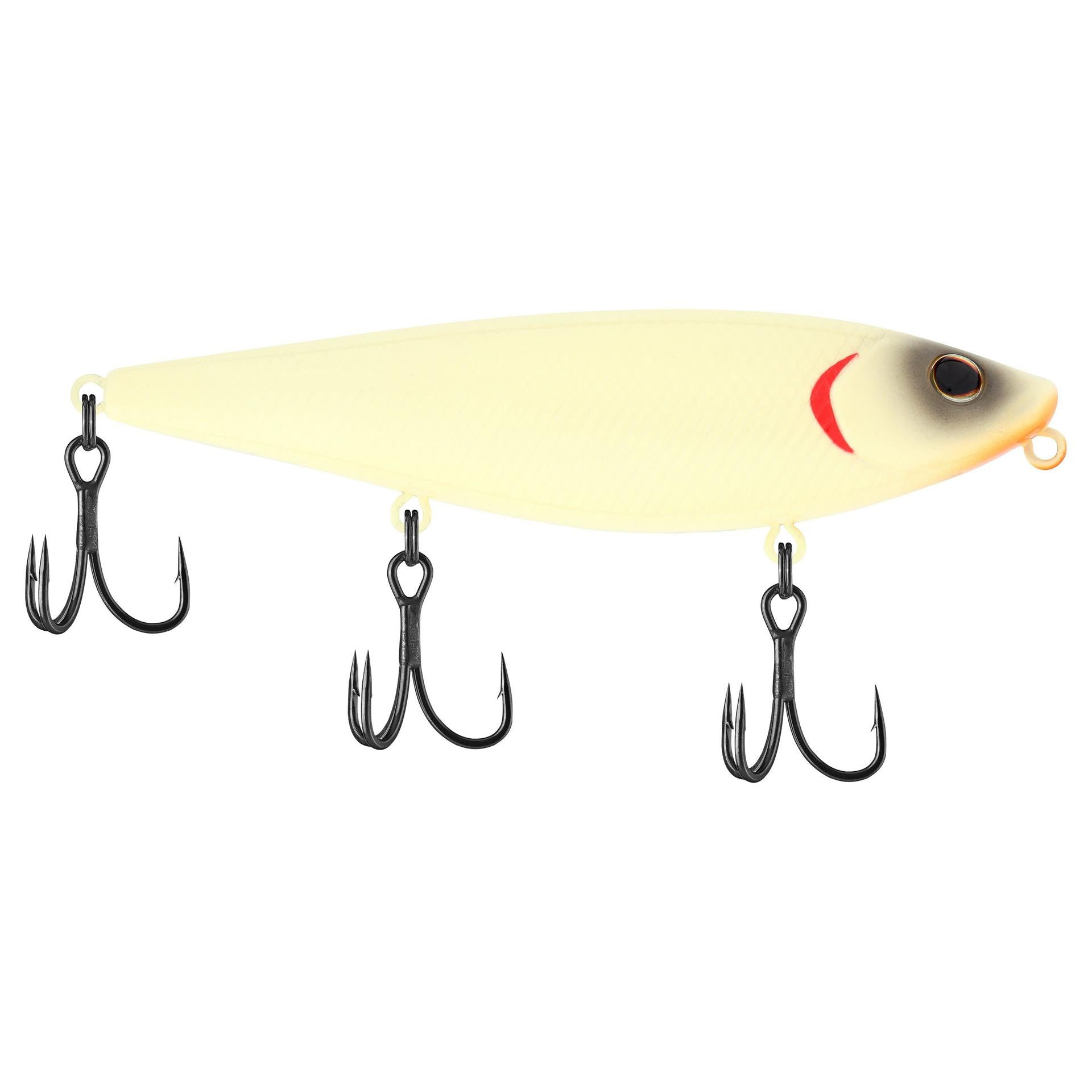
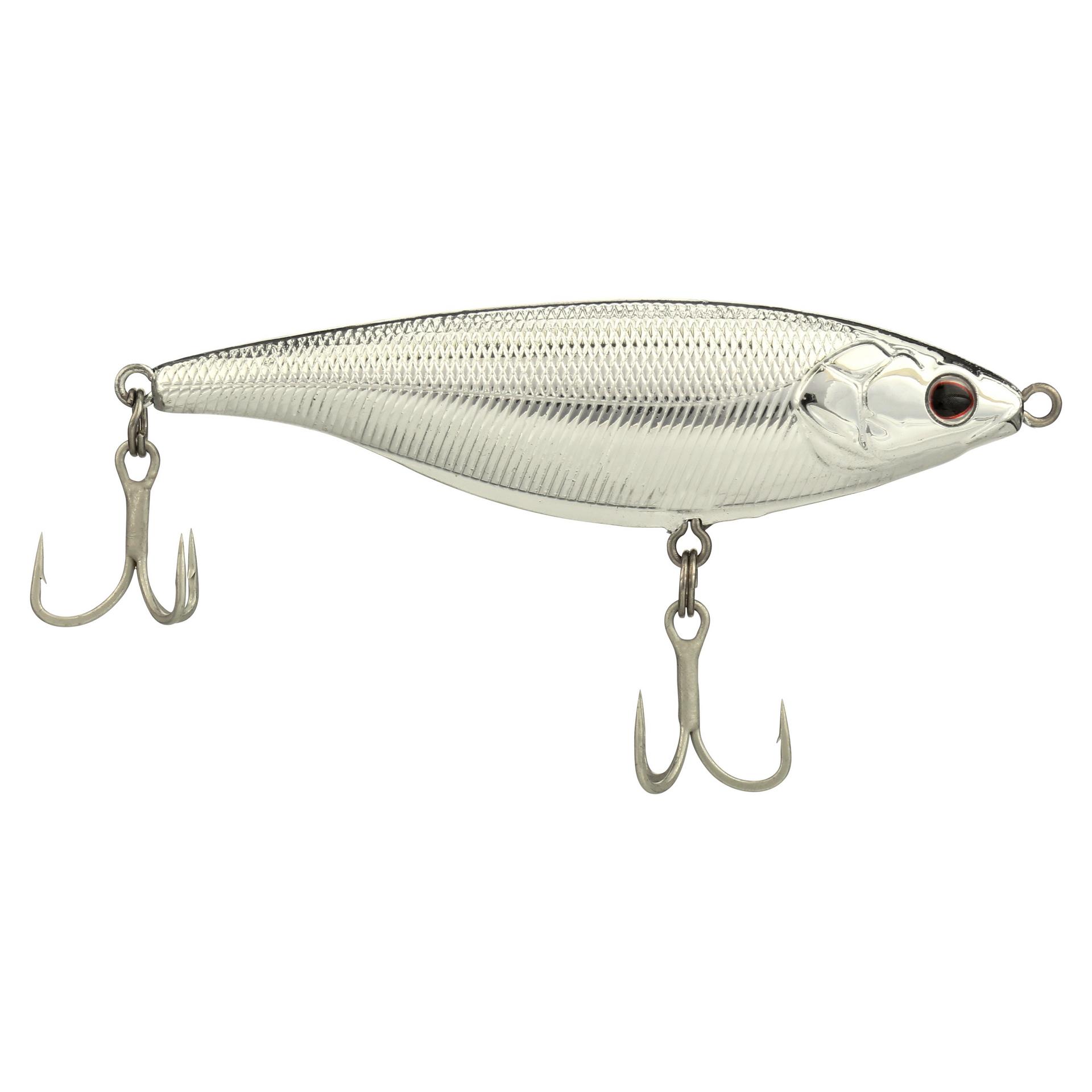
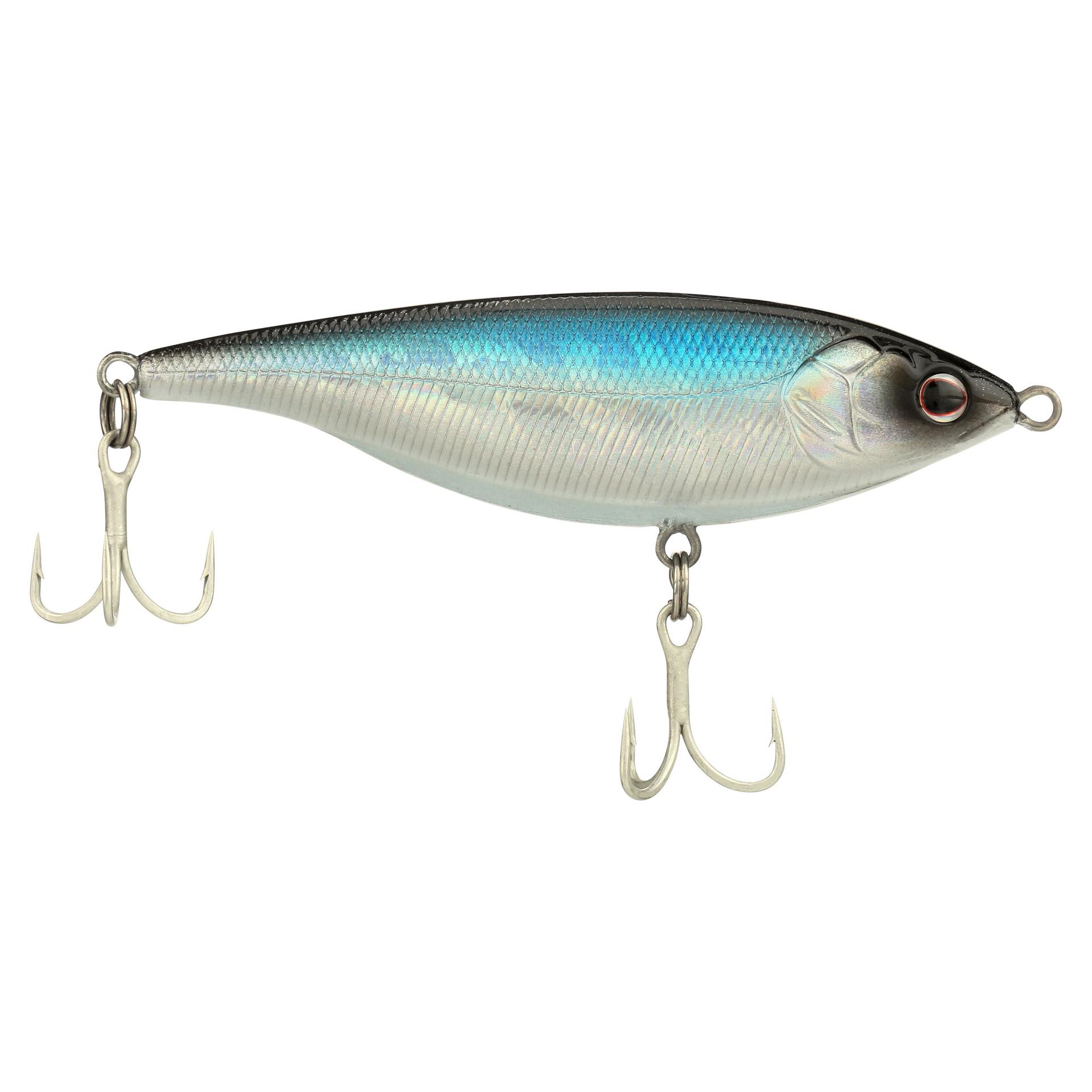
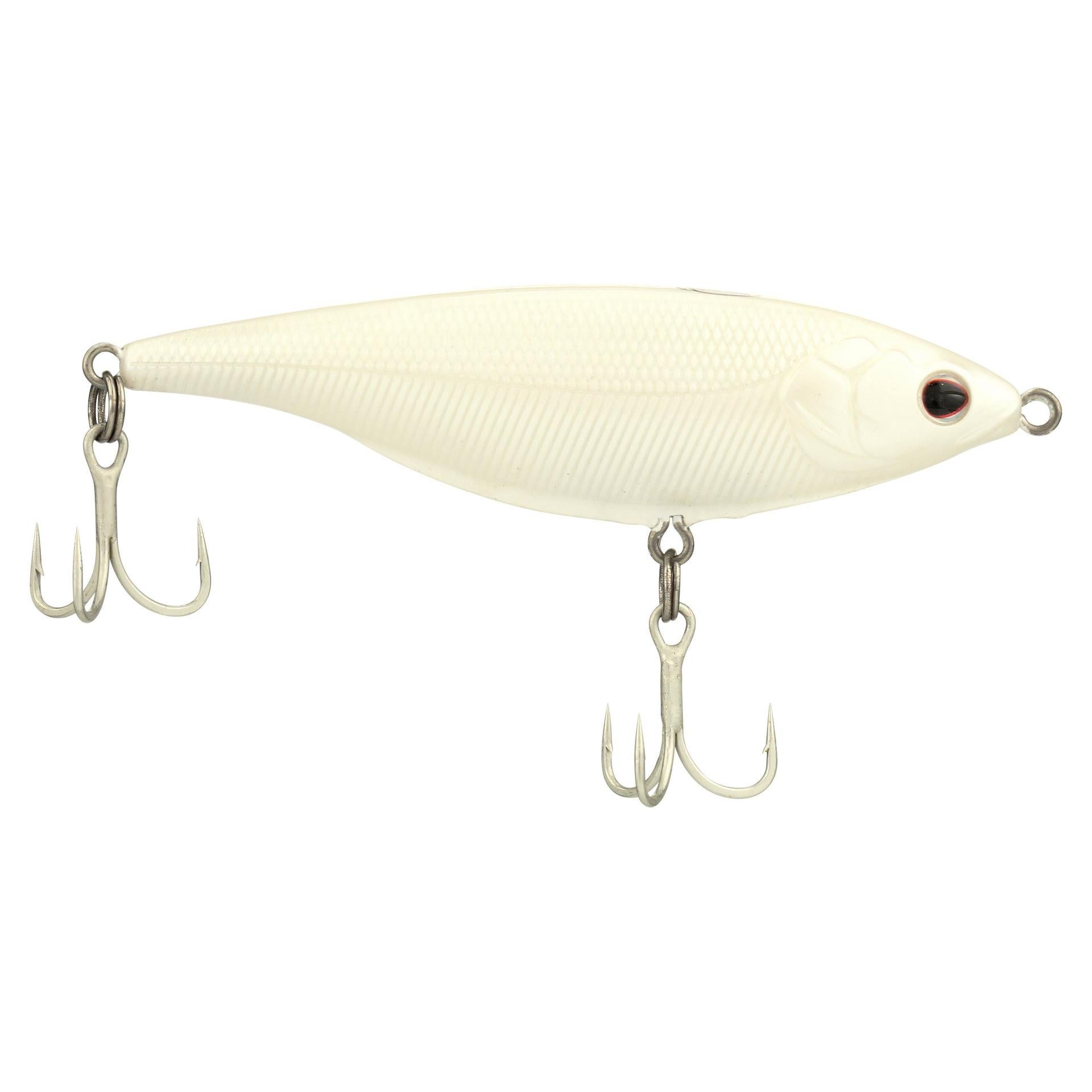
33% Off Hard Baits
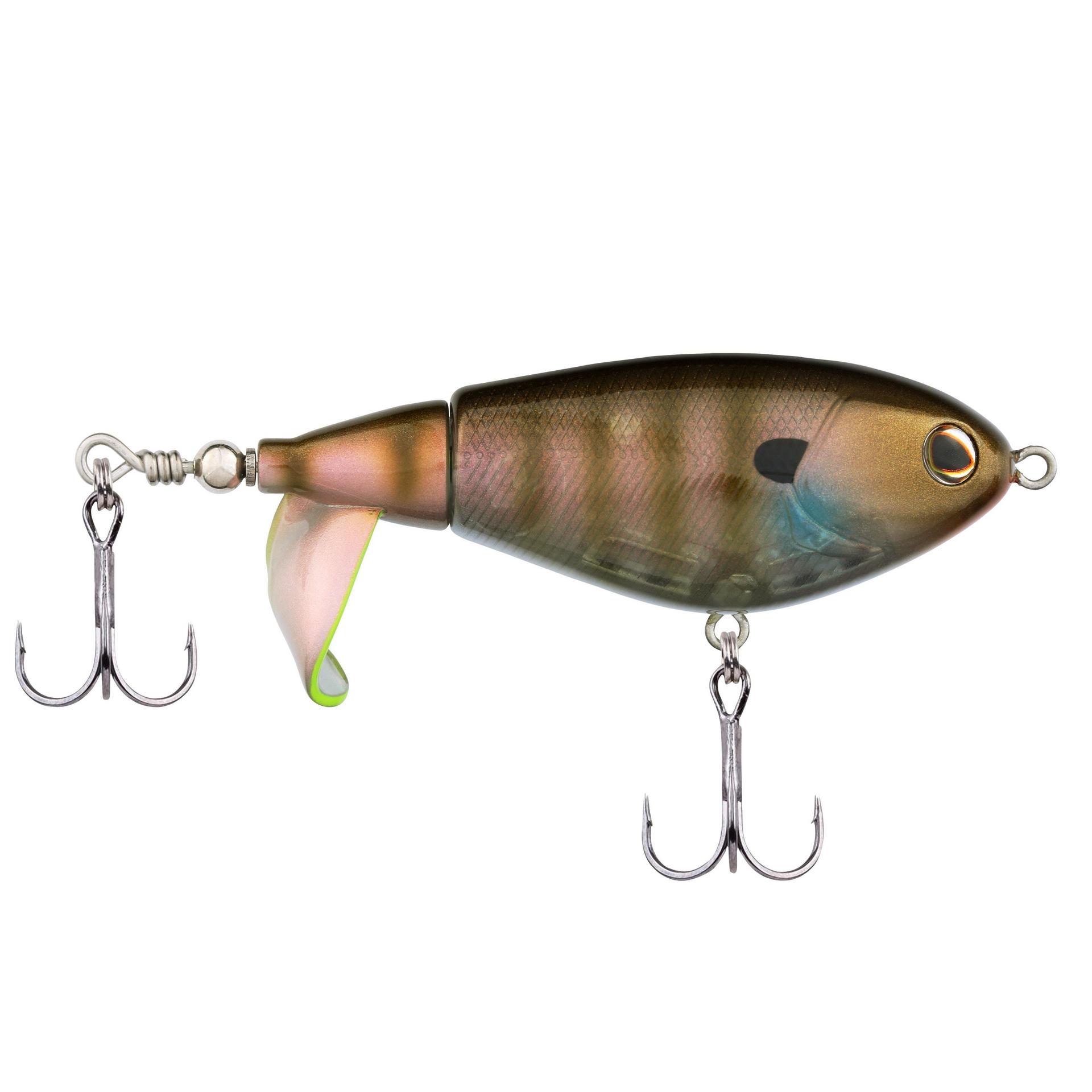
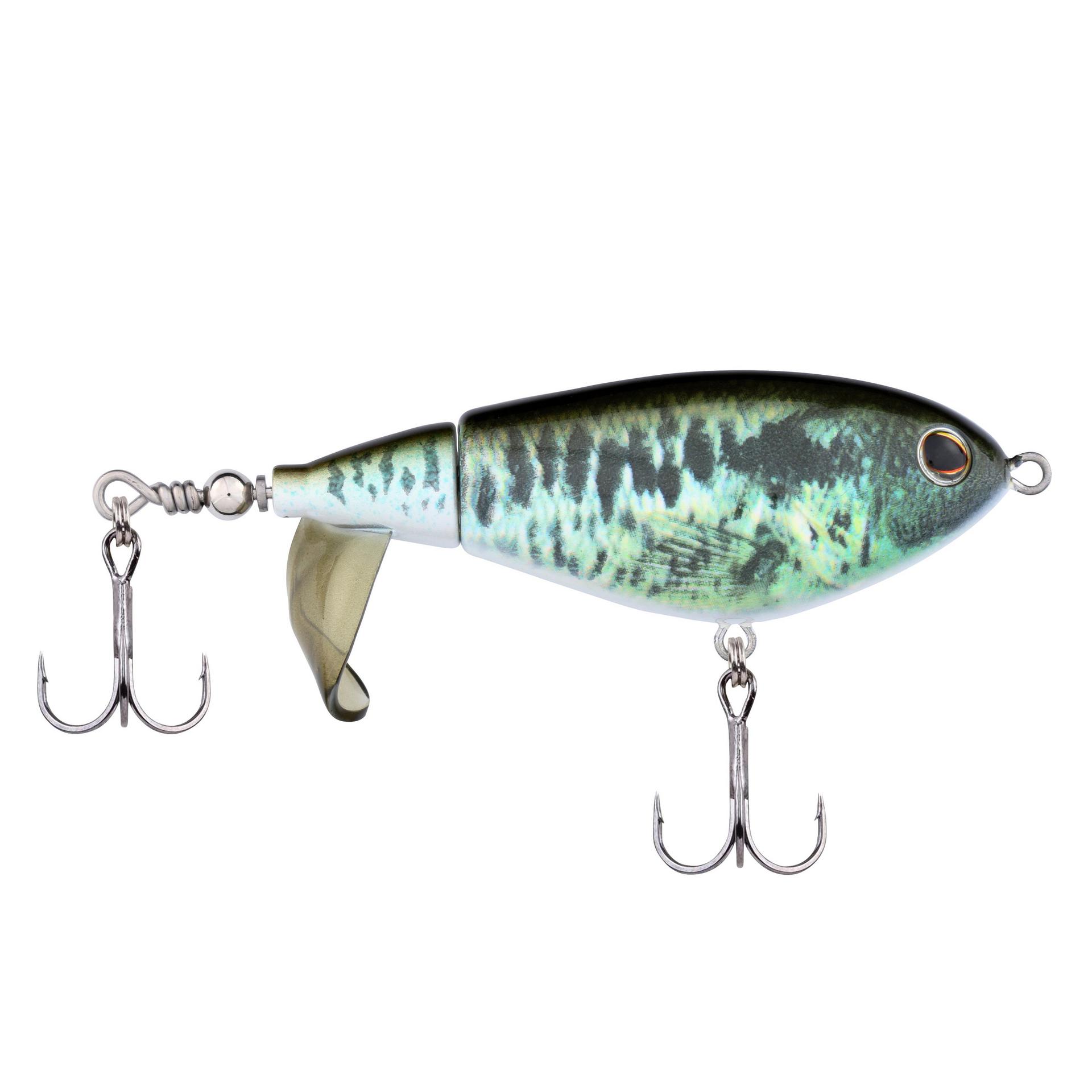
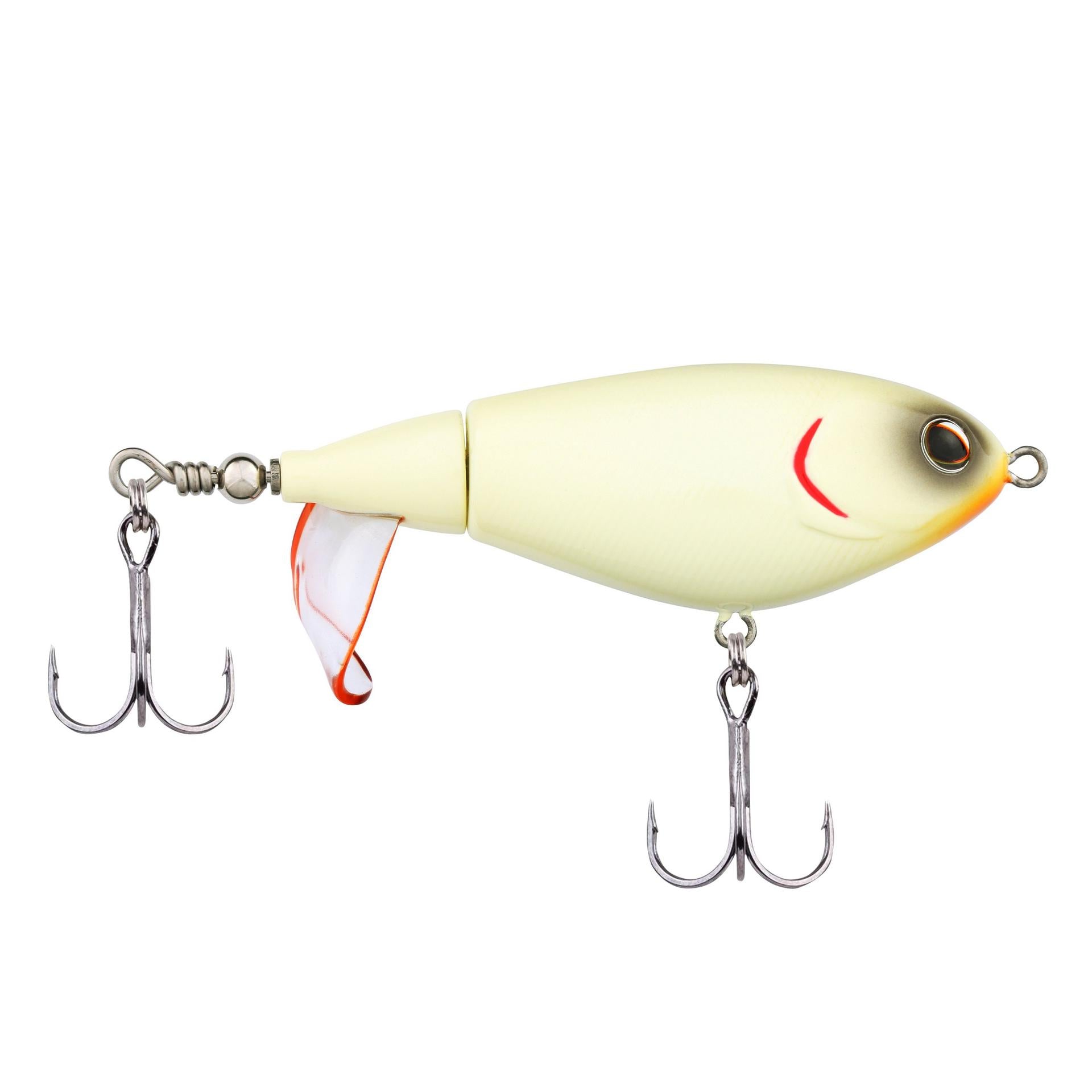
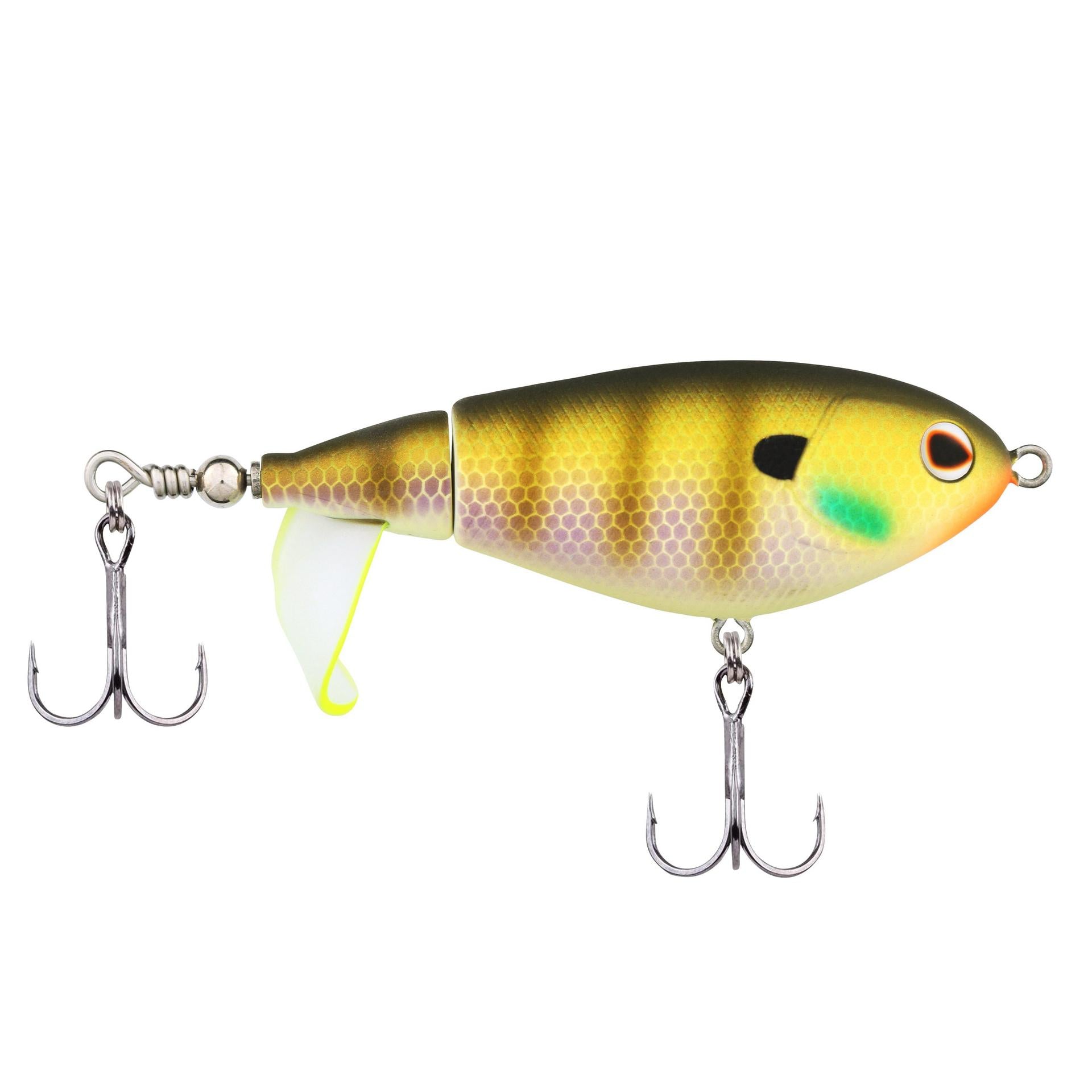
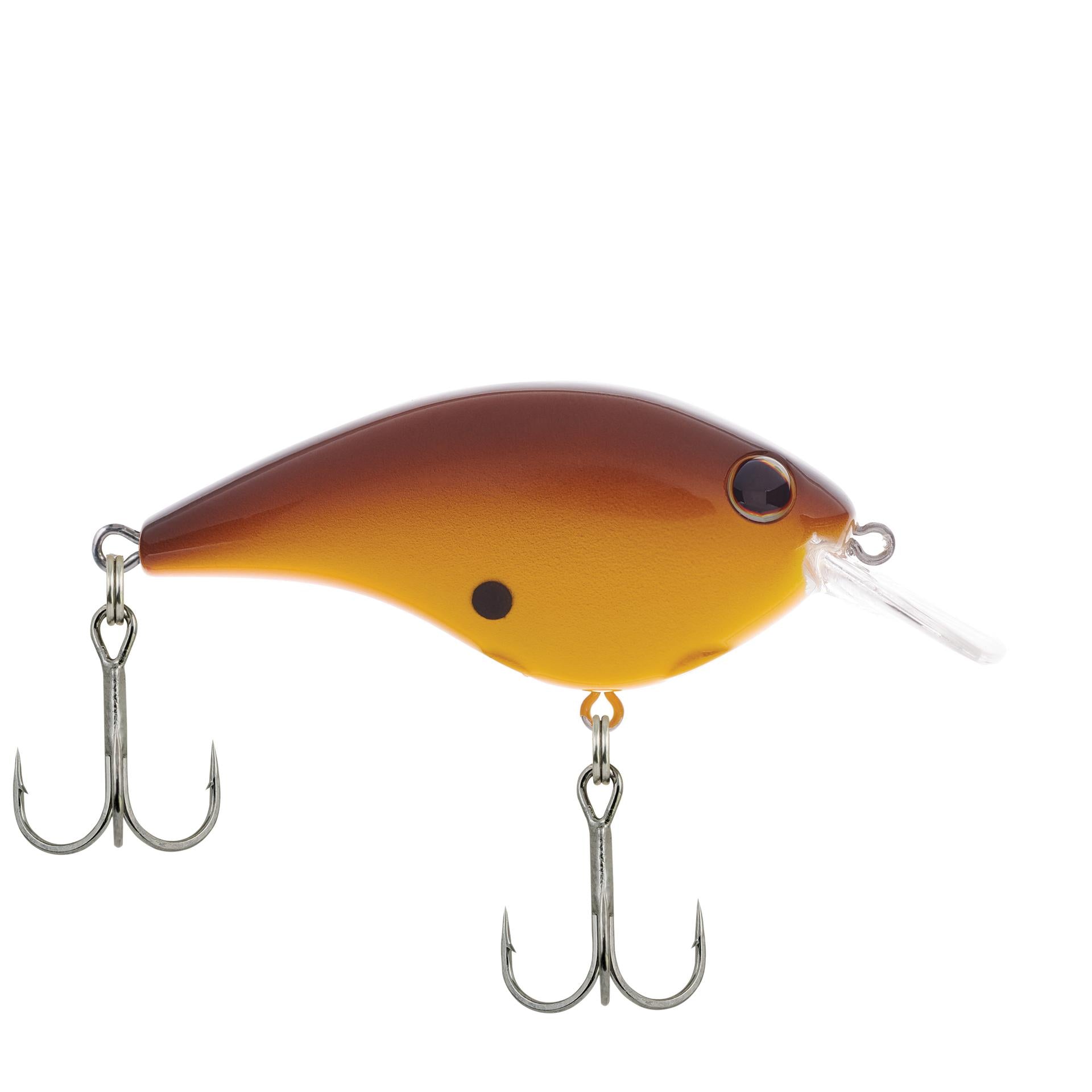
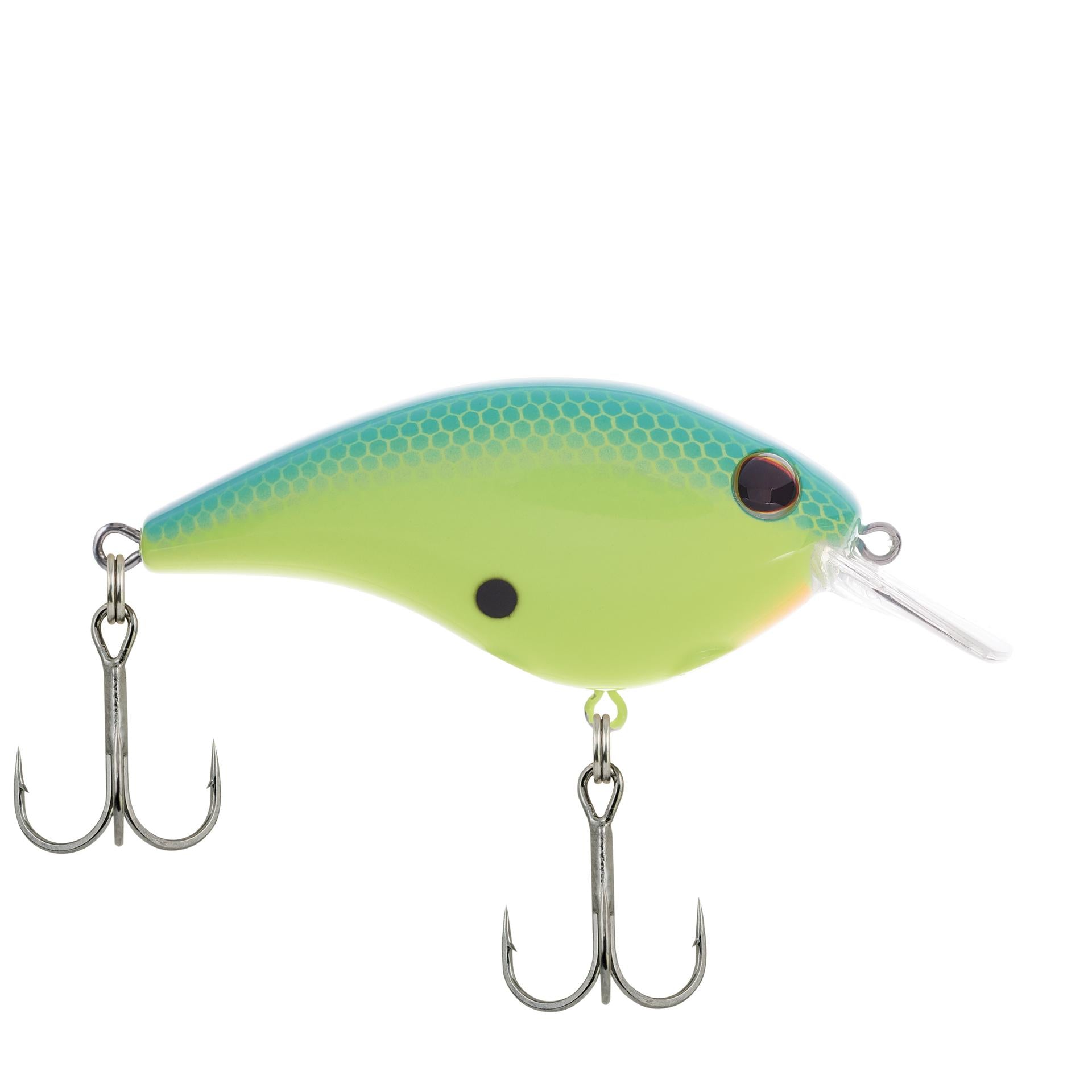
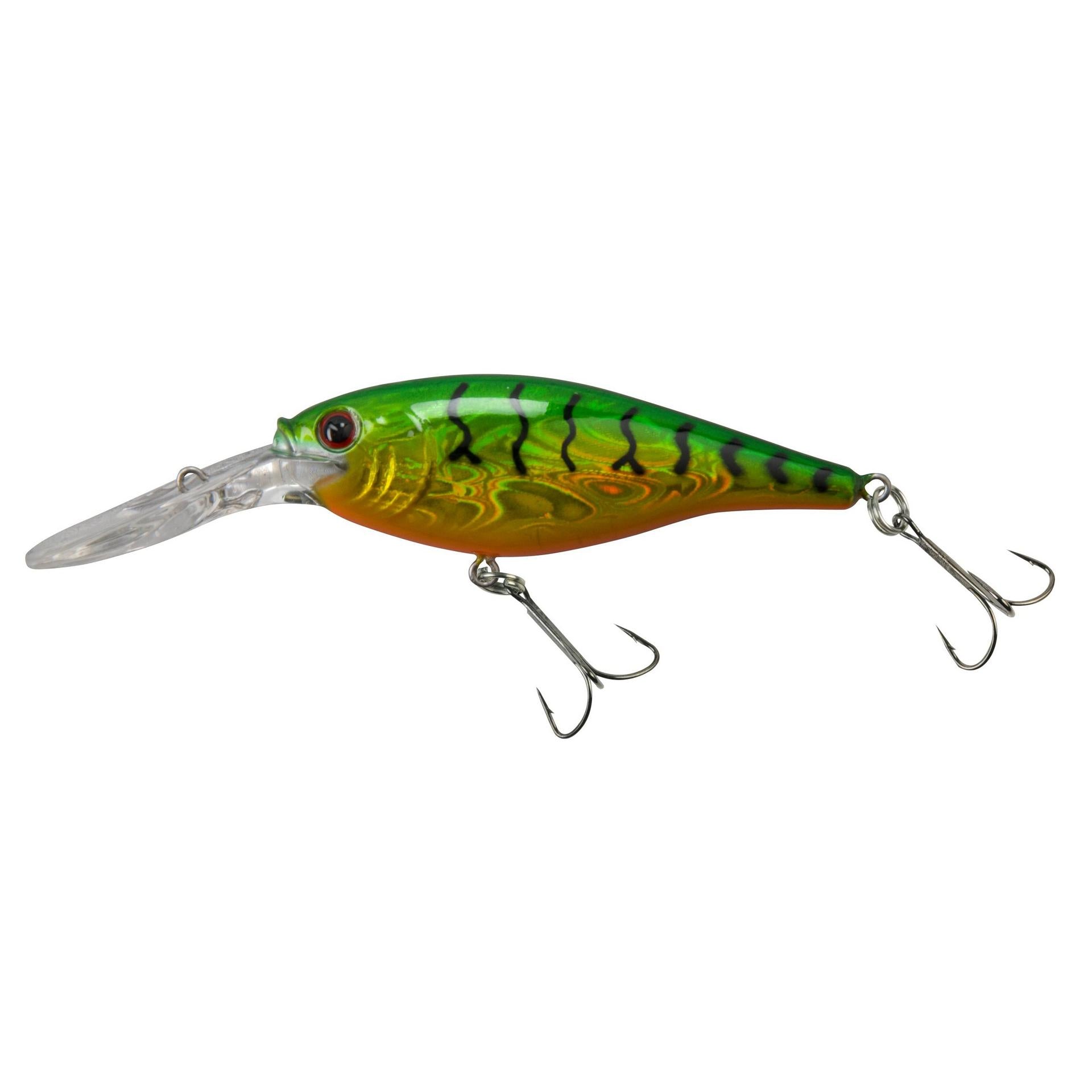
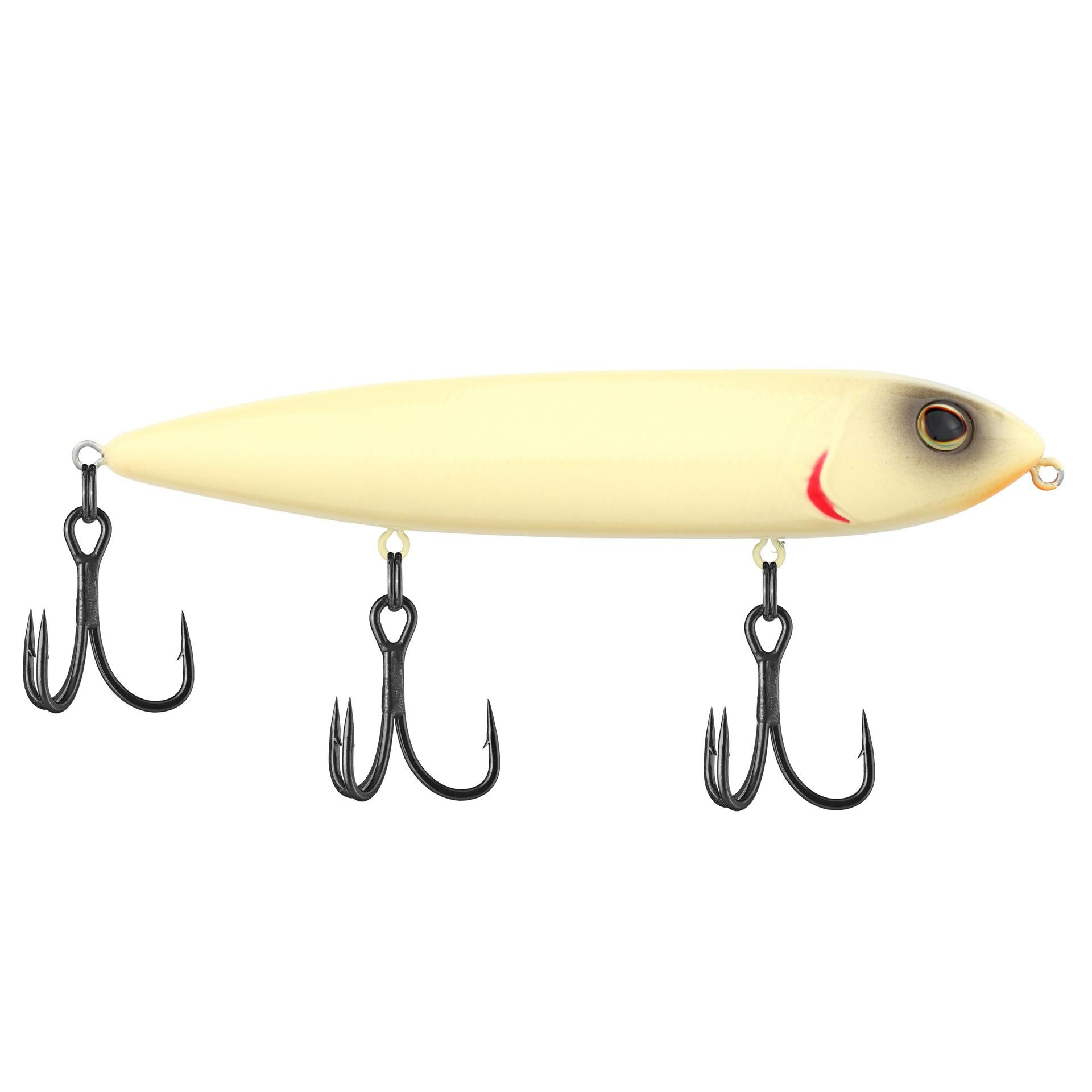
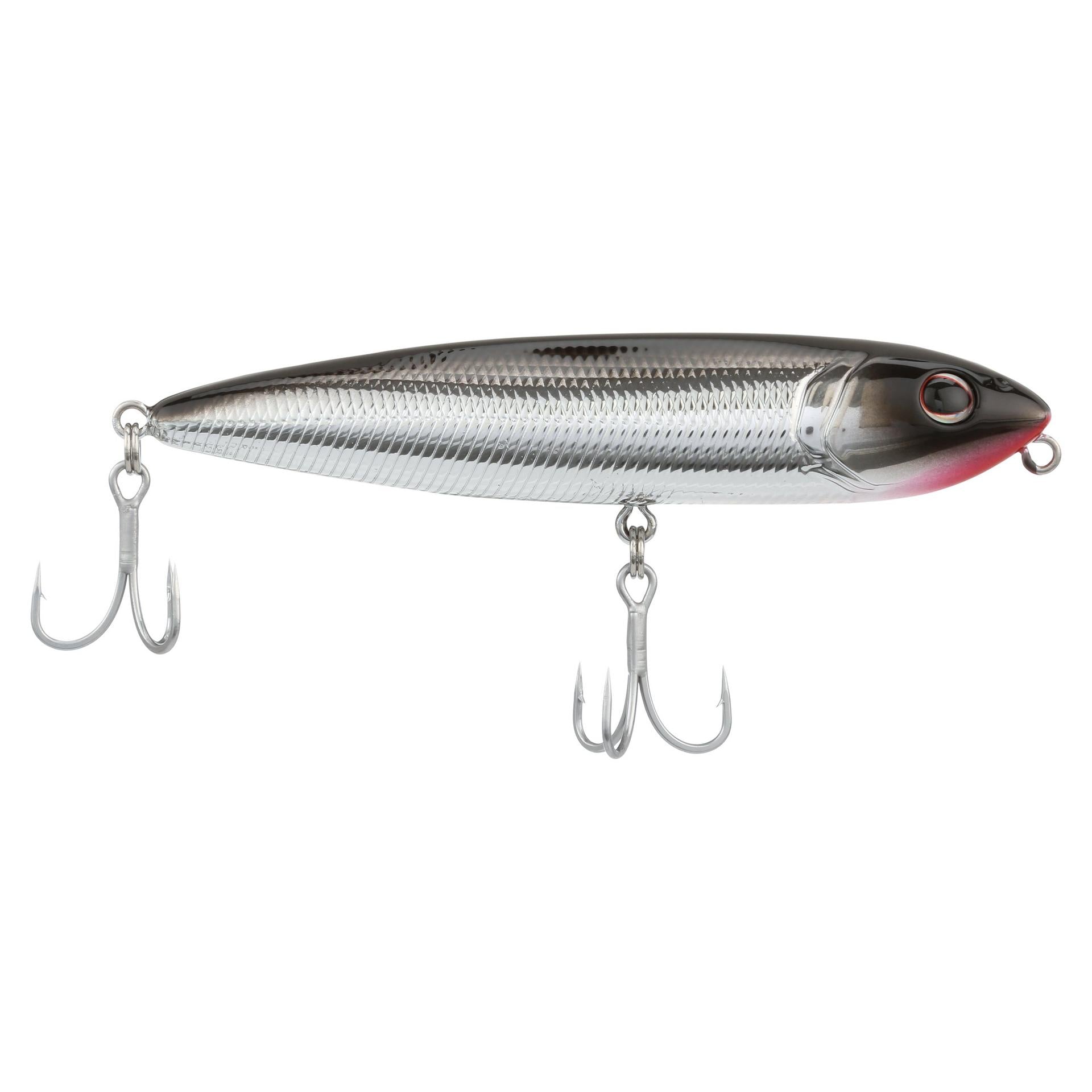
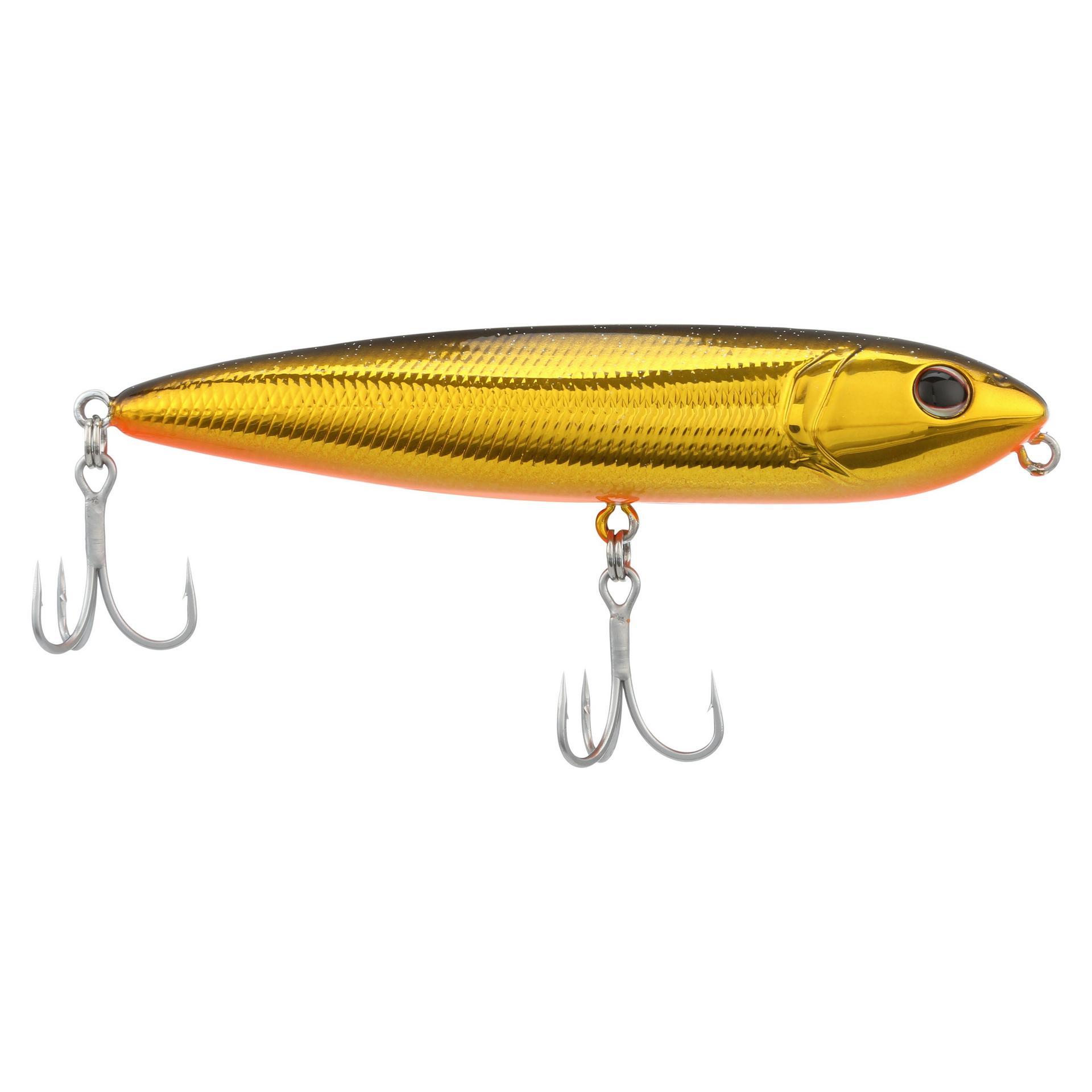
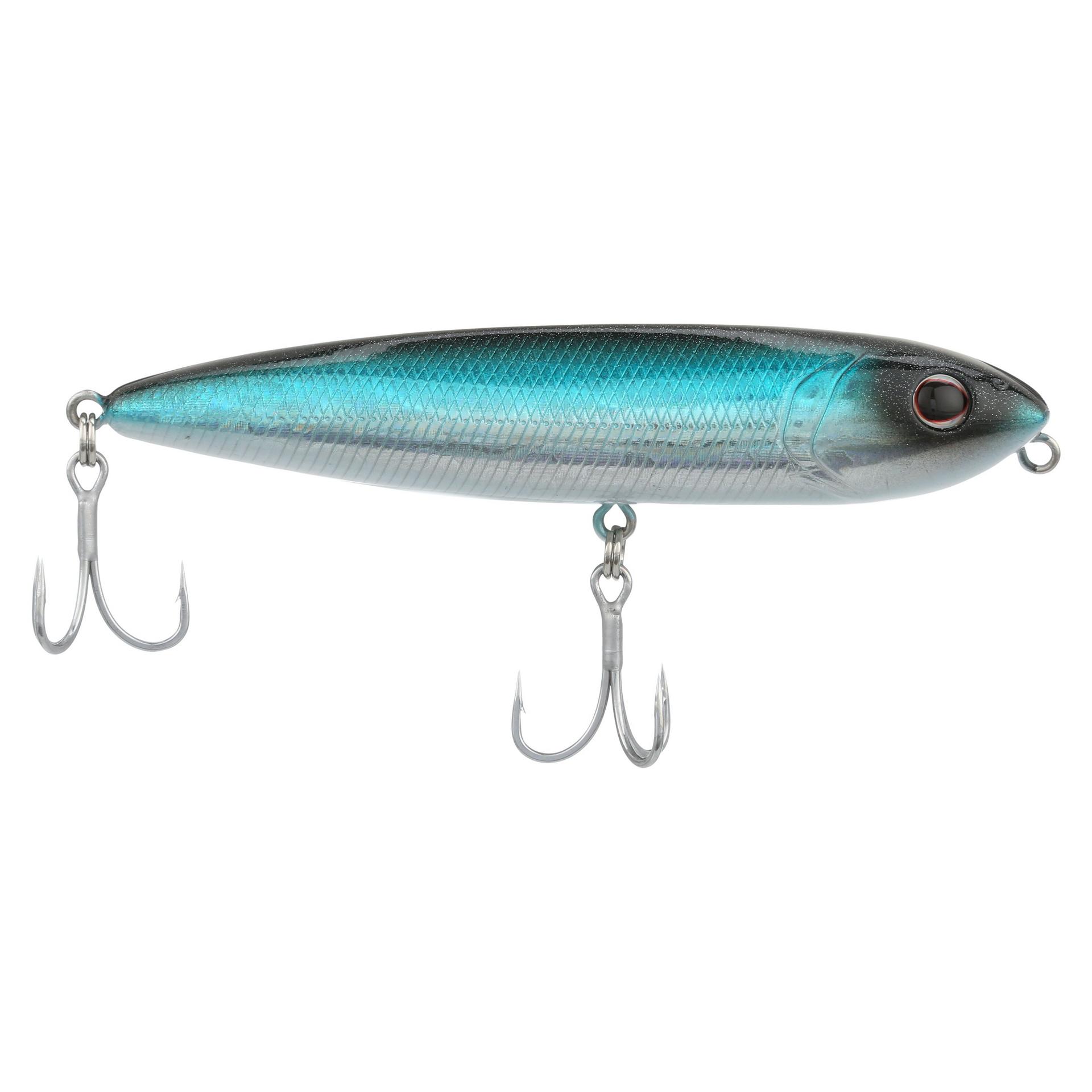
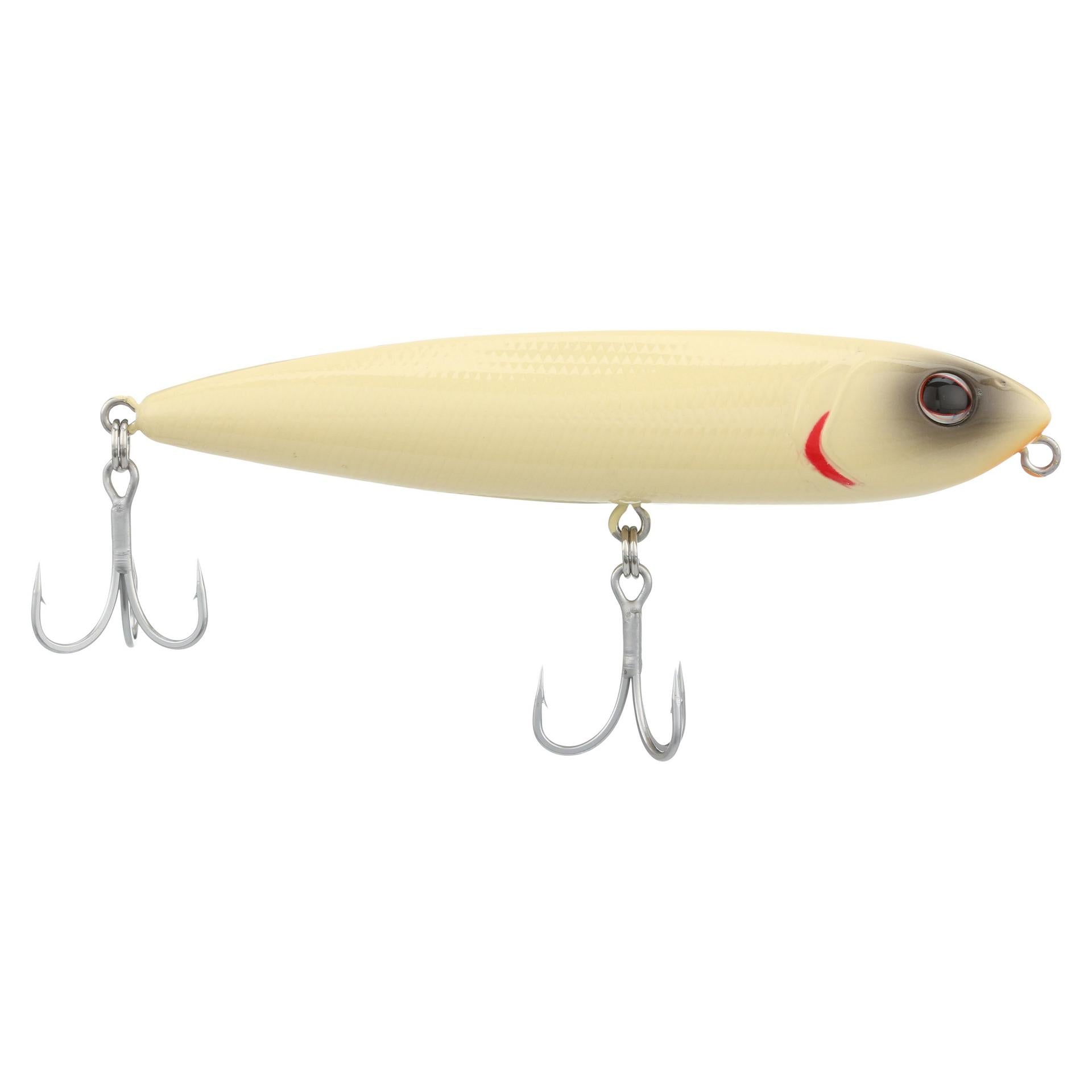
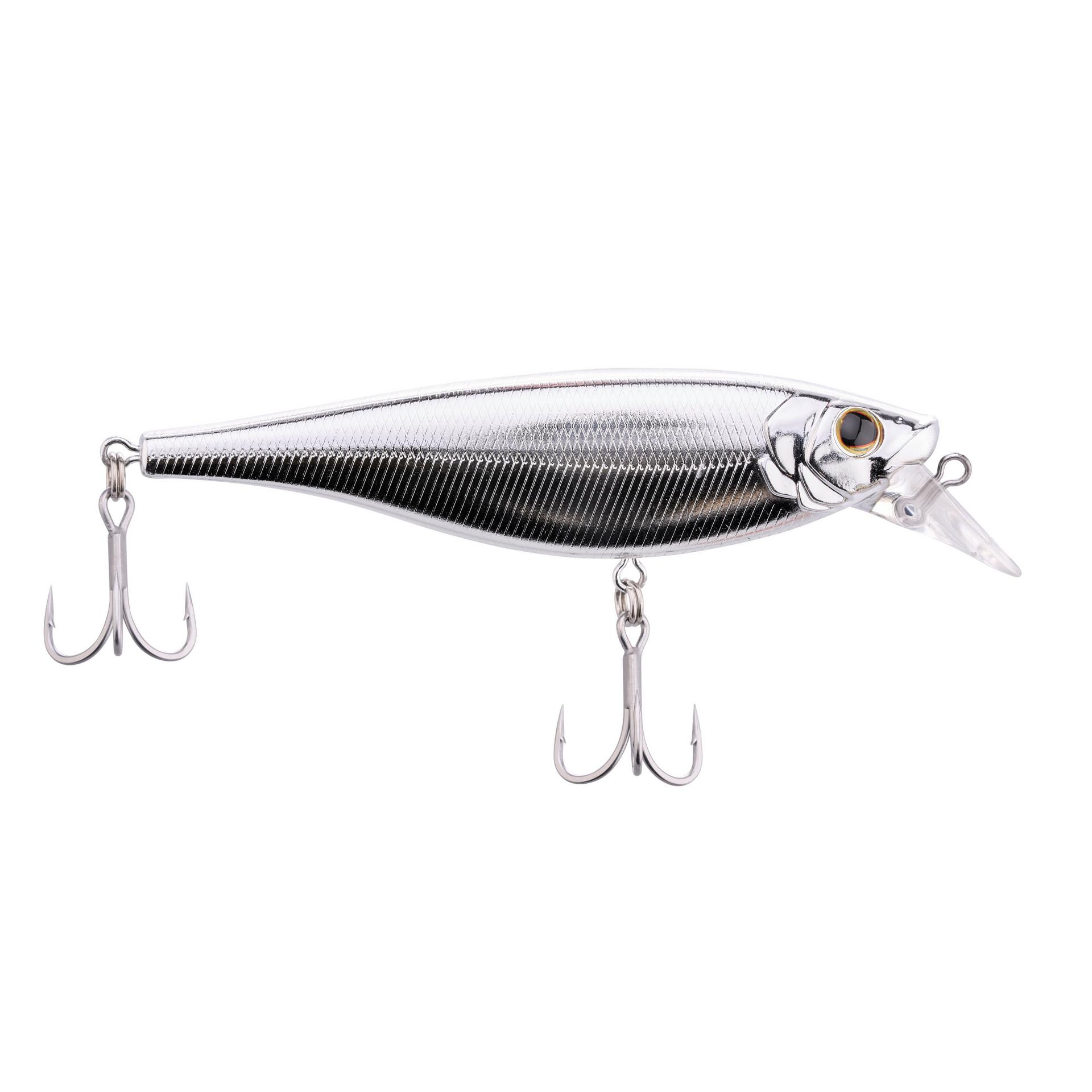
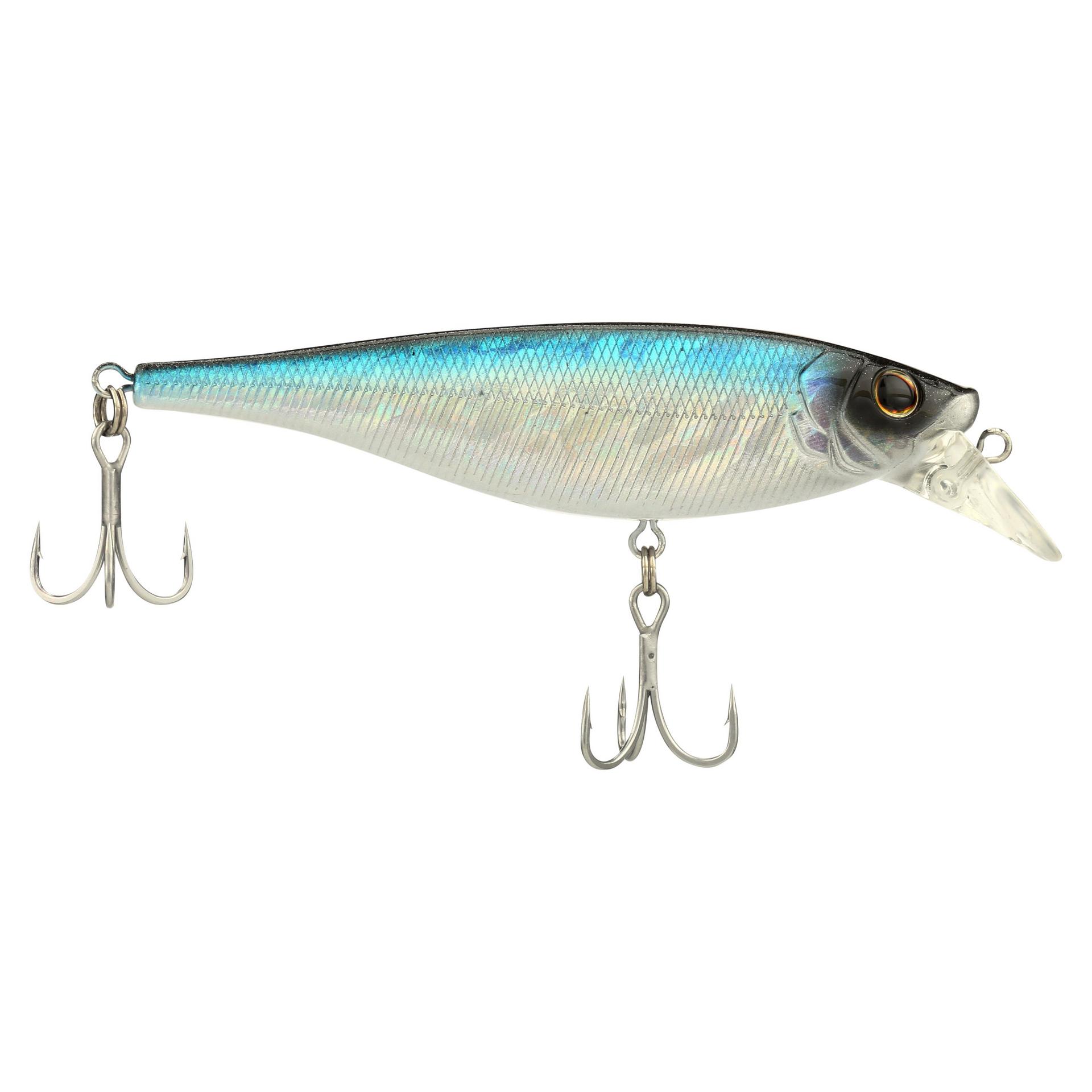
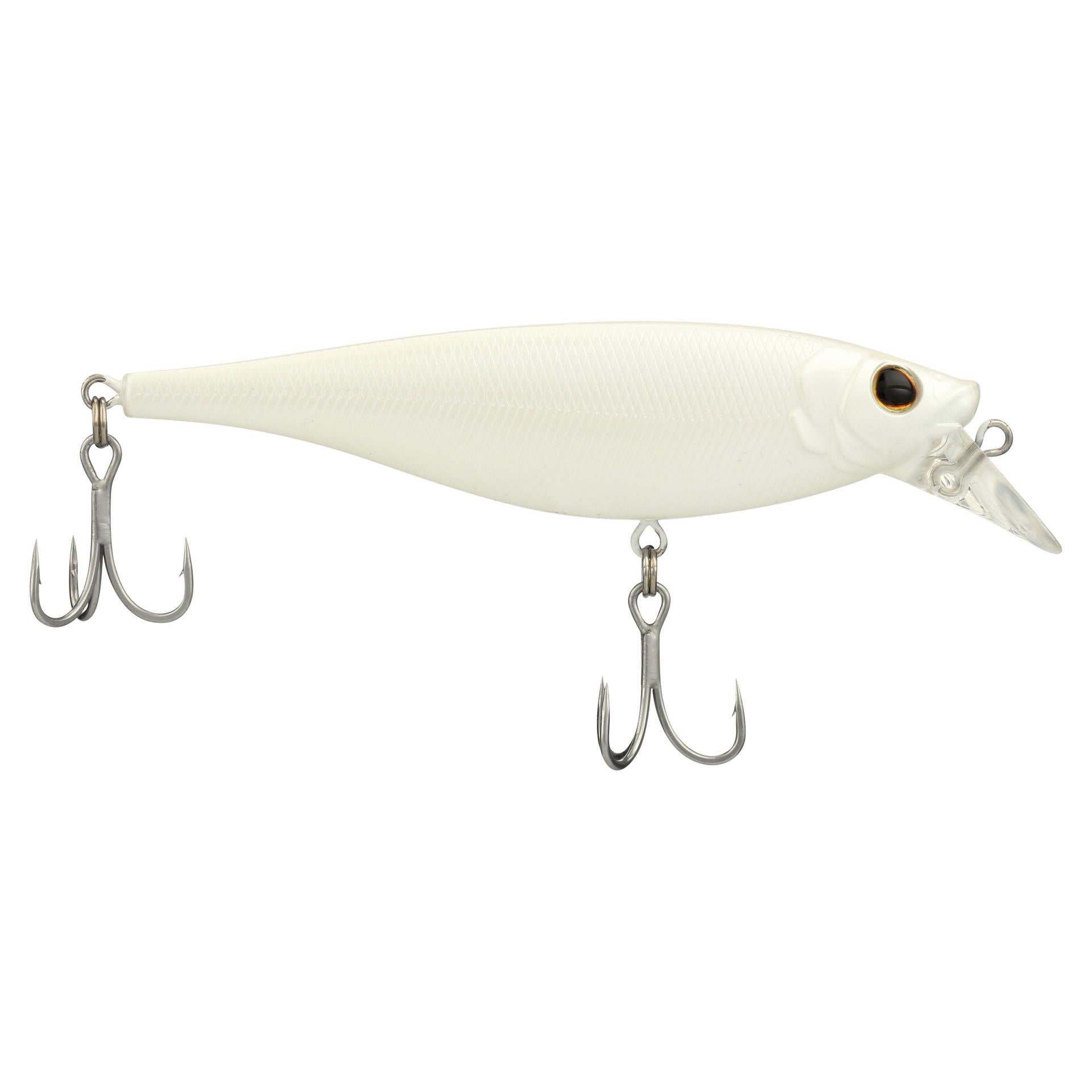
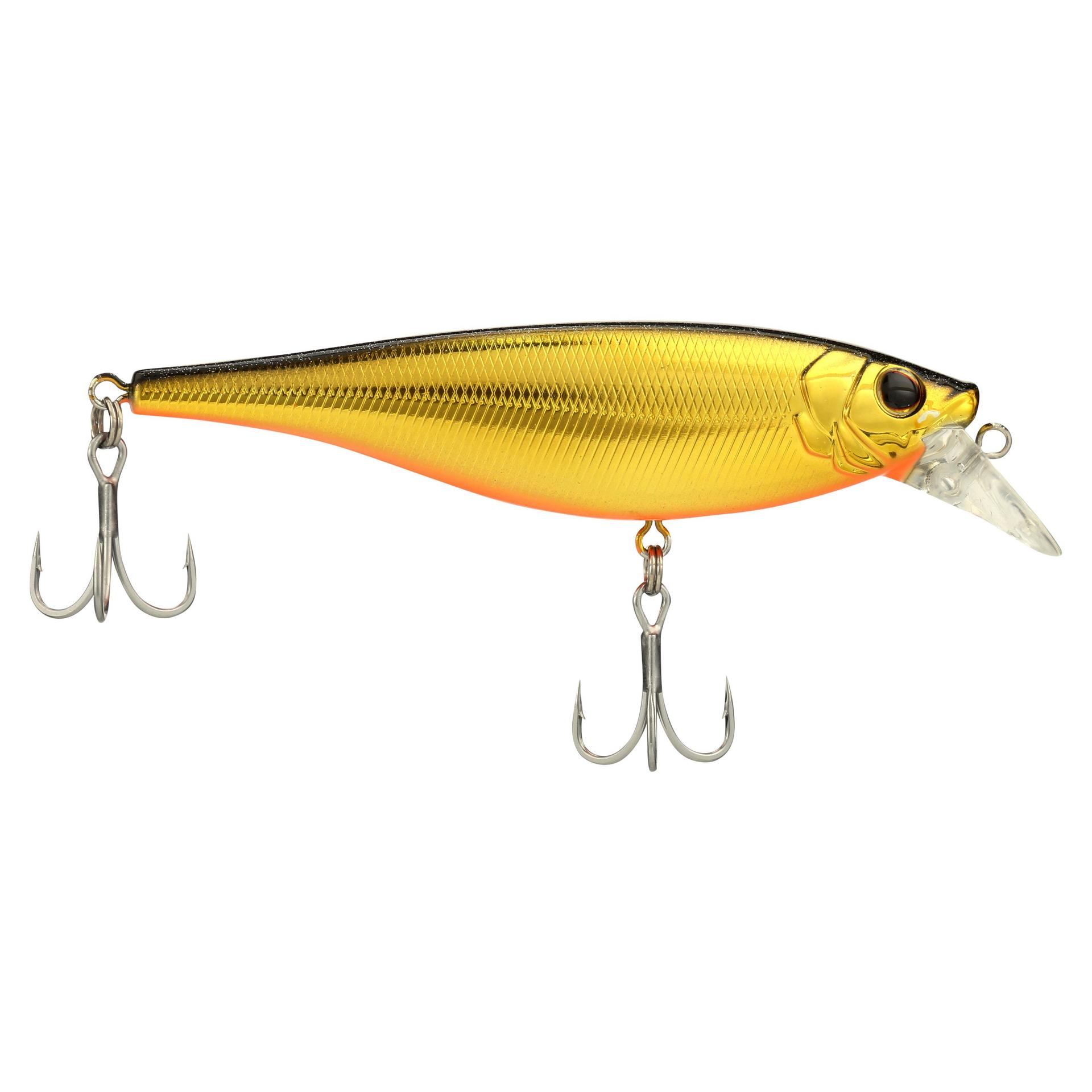
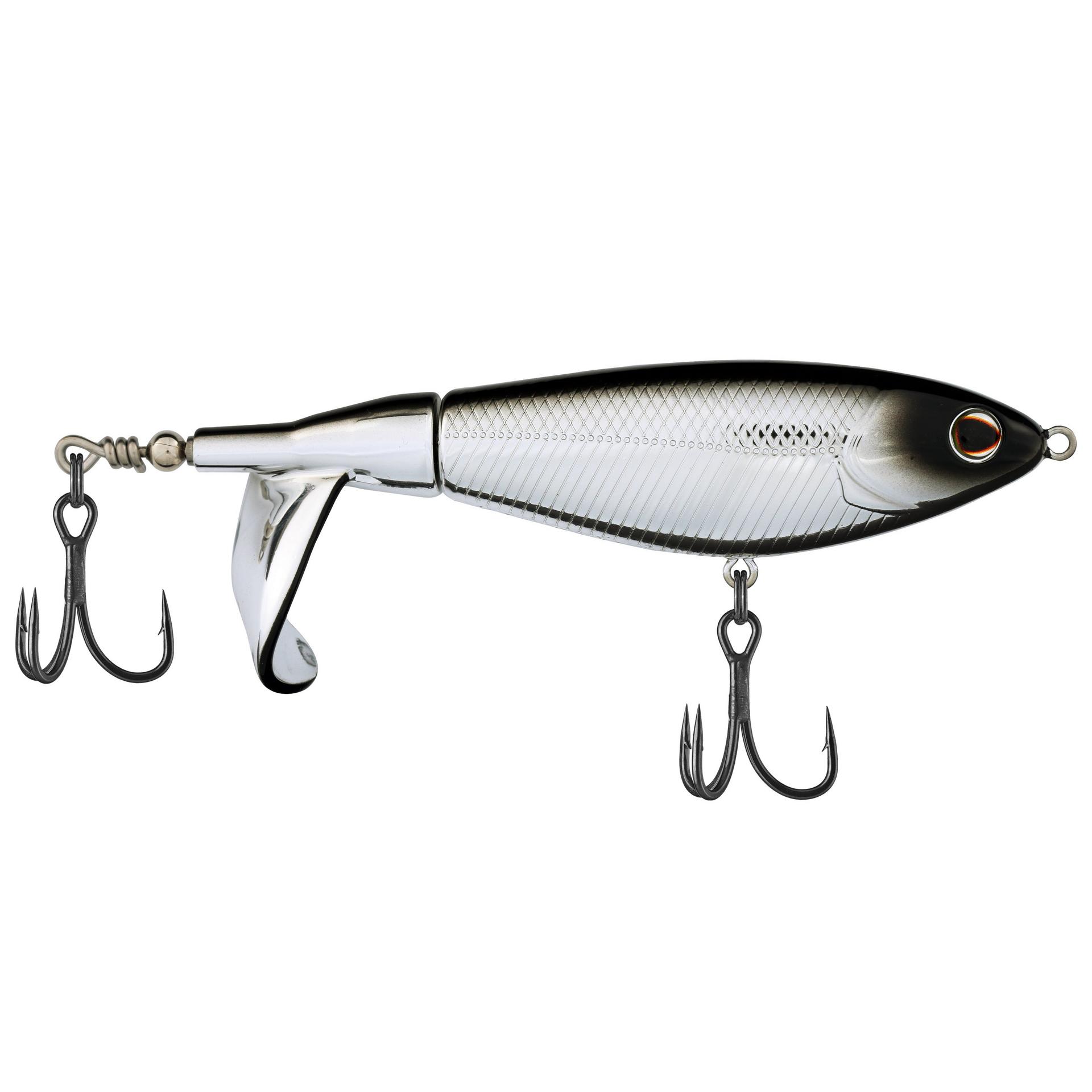
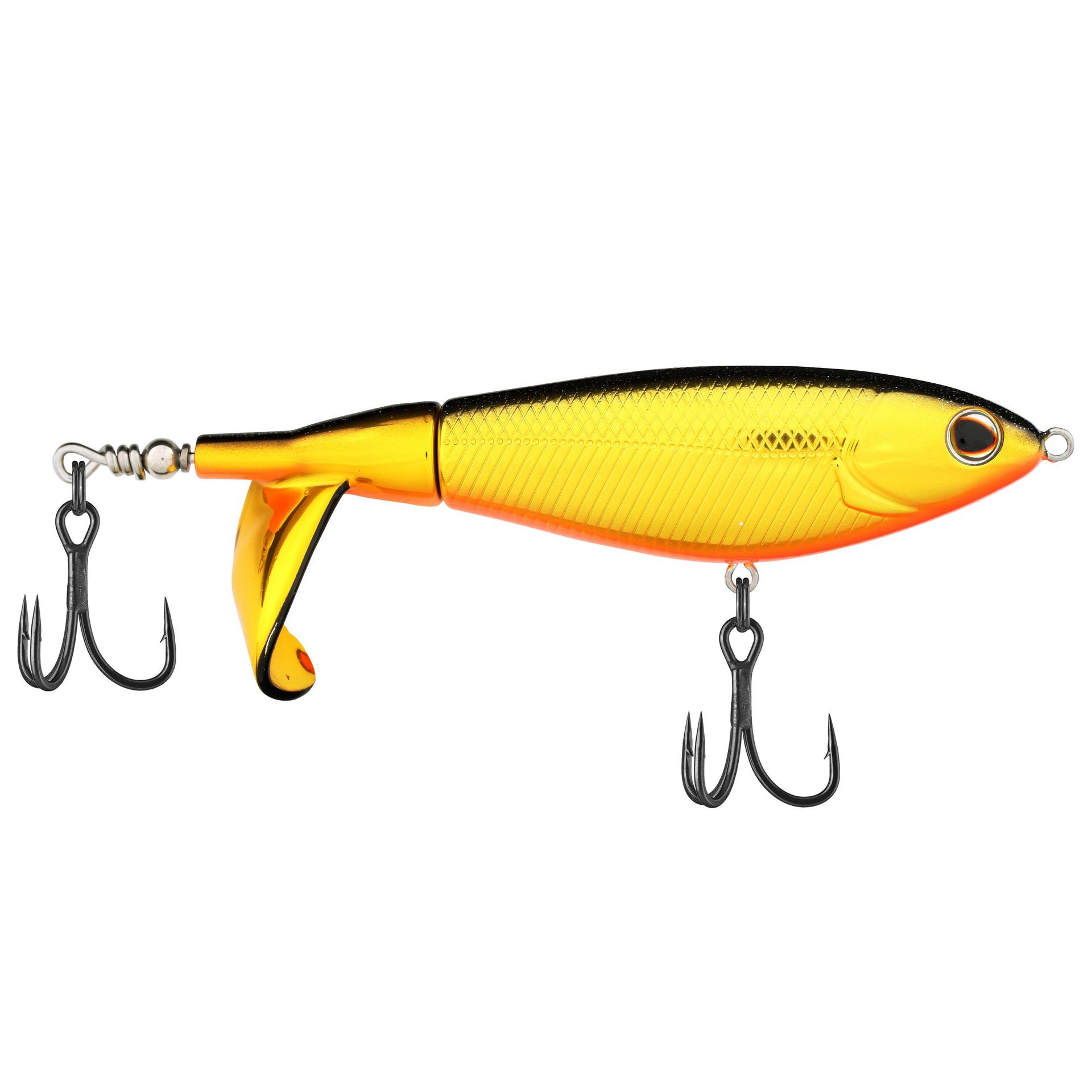
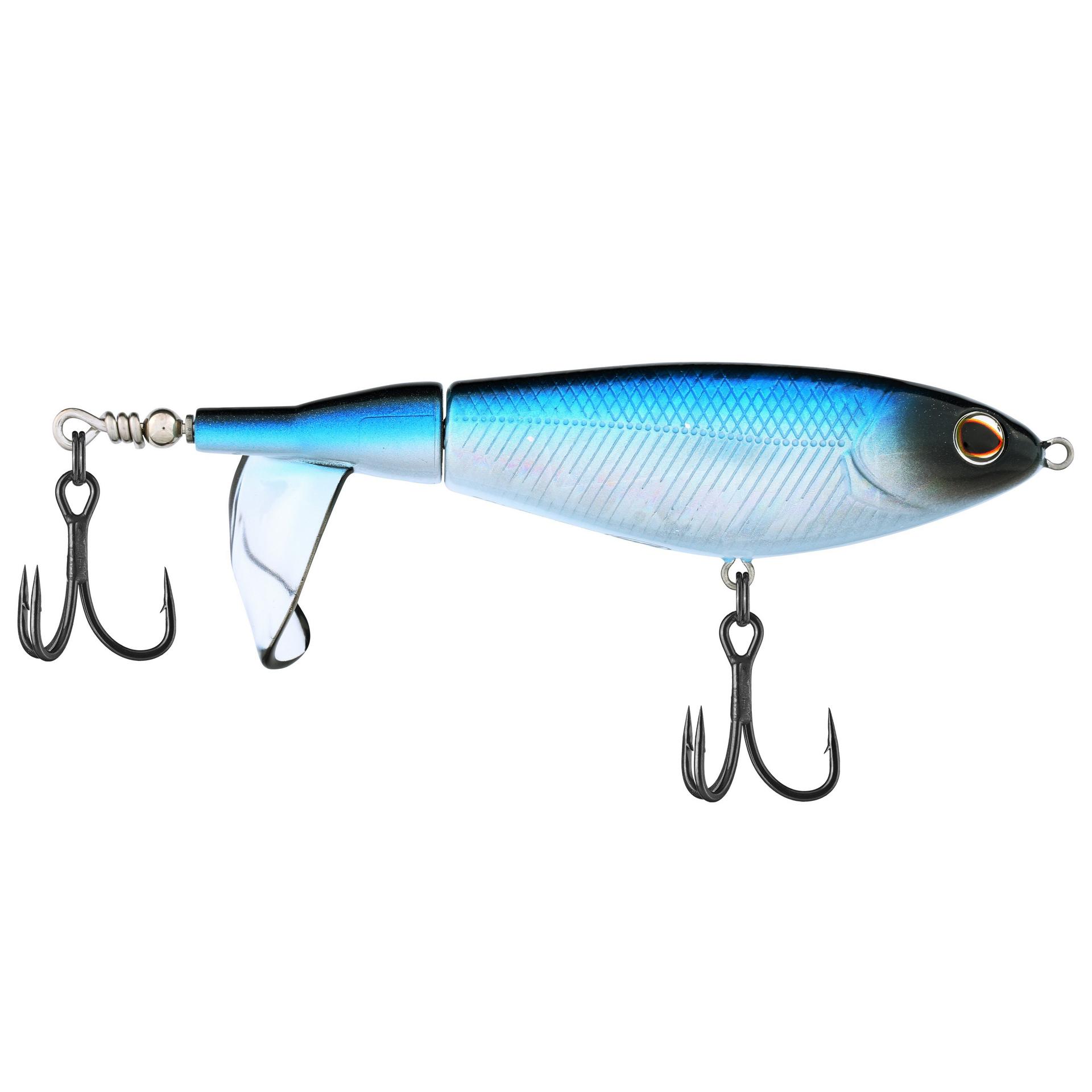
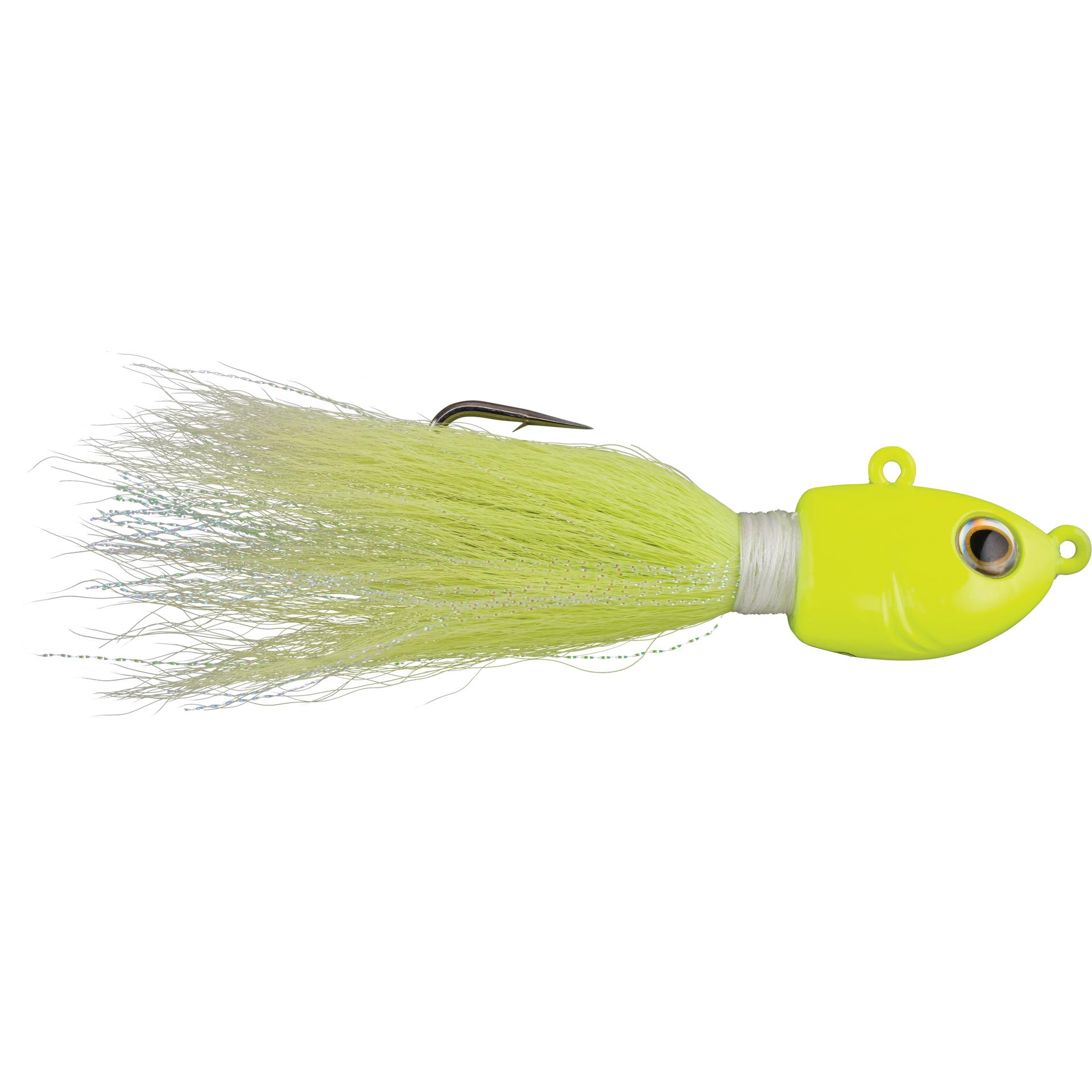
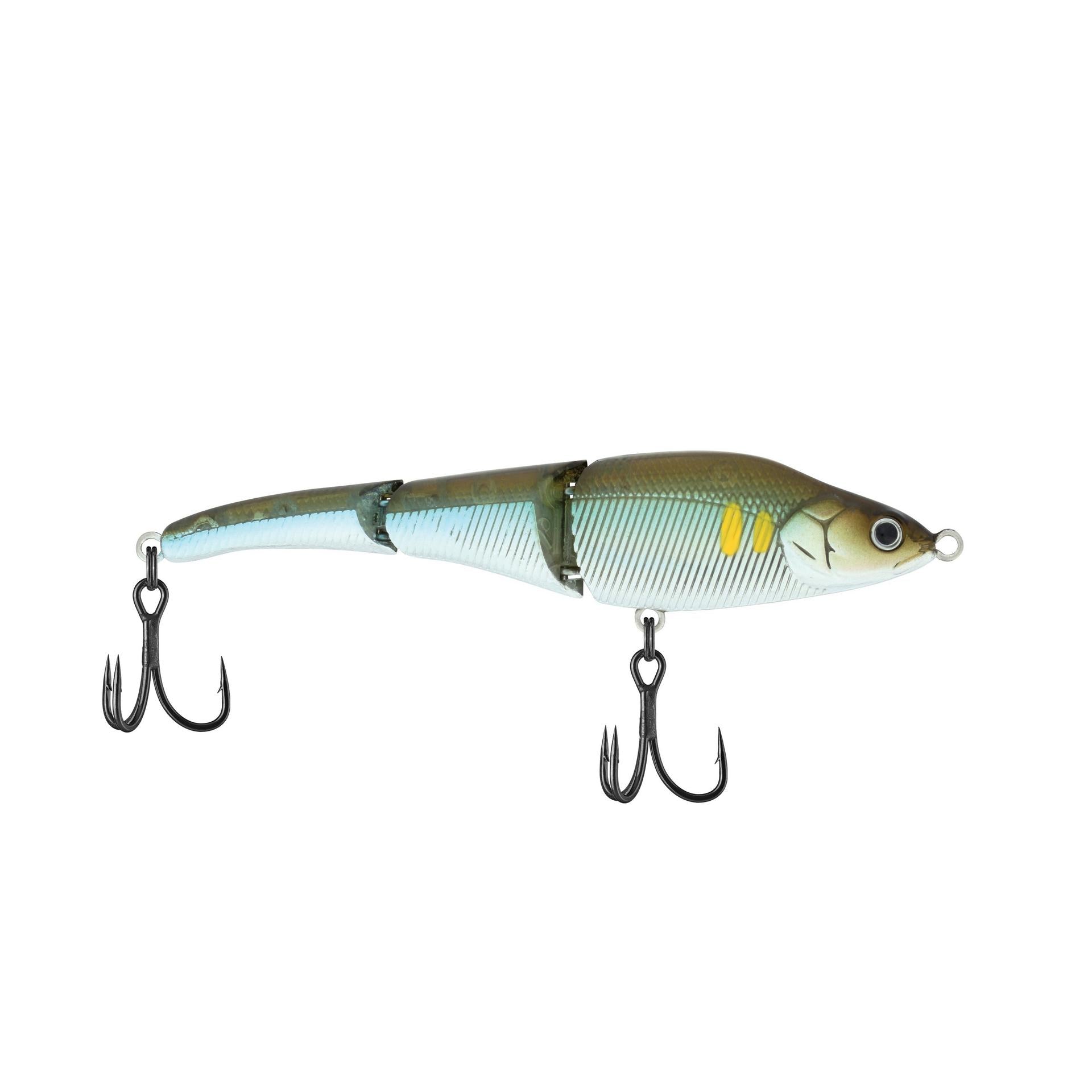
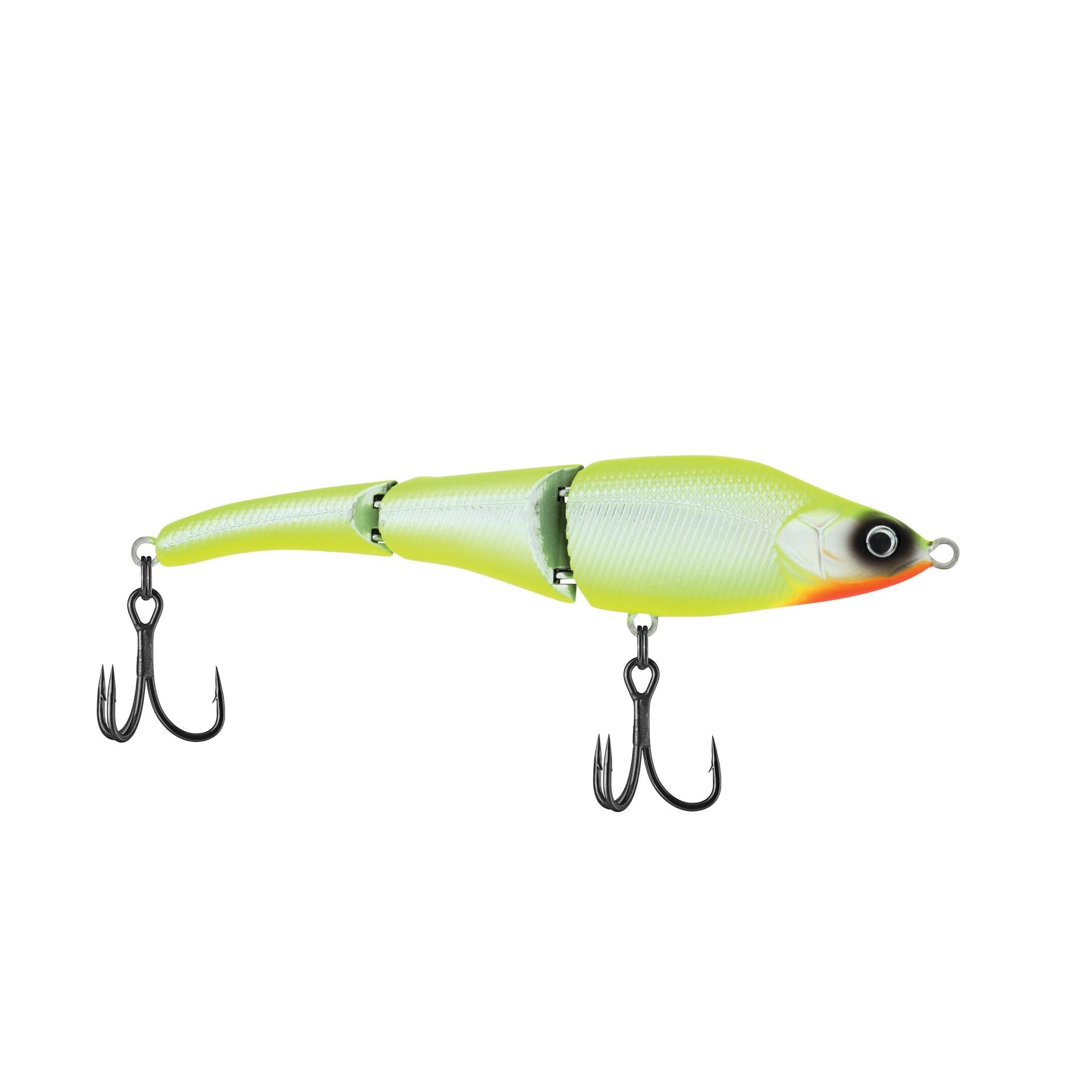
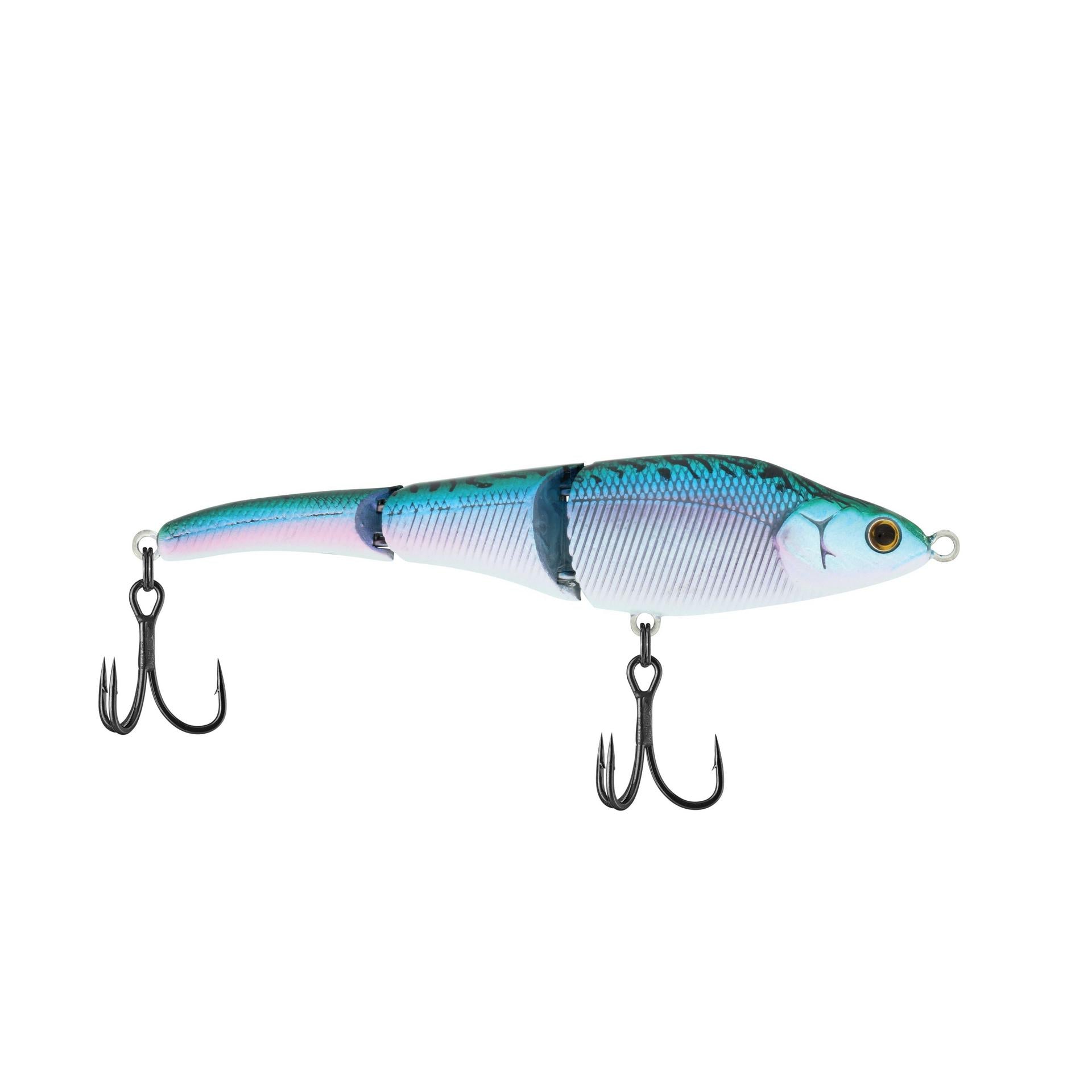
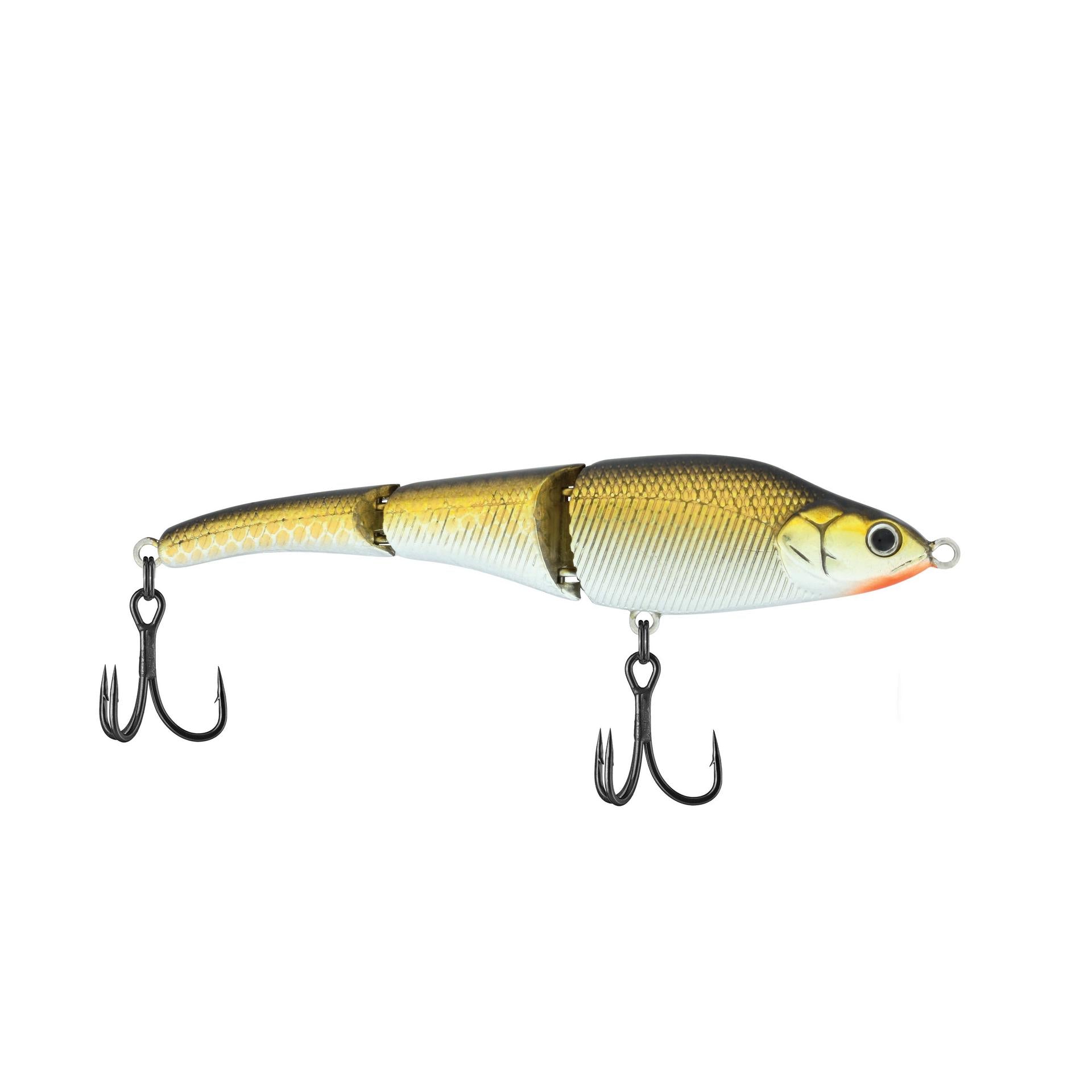
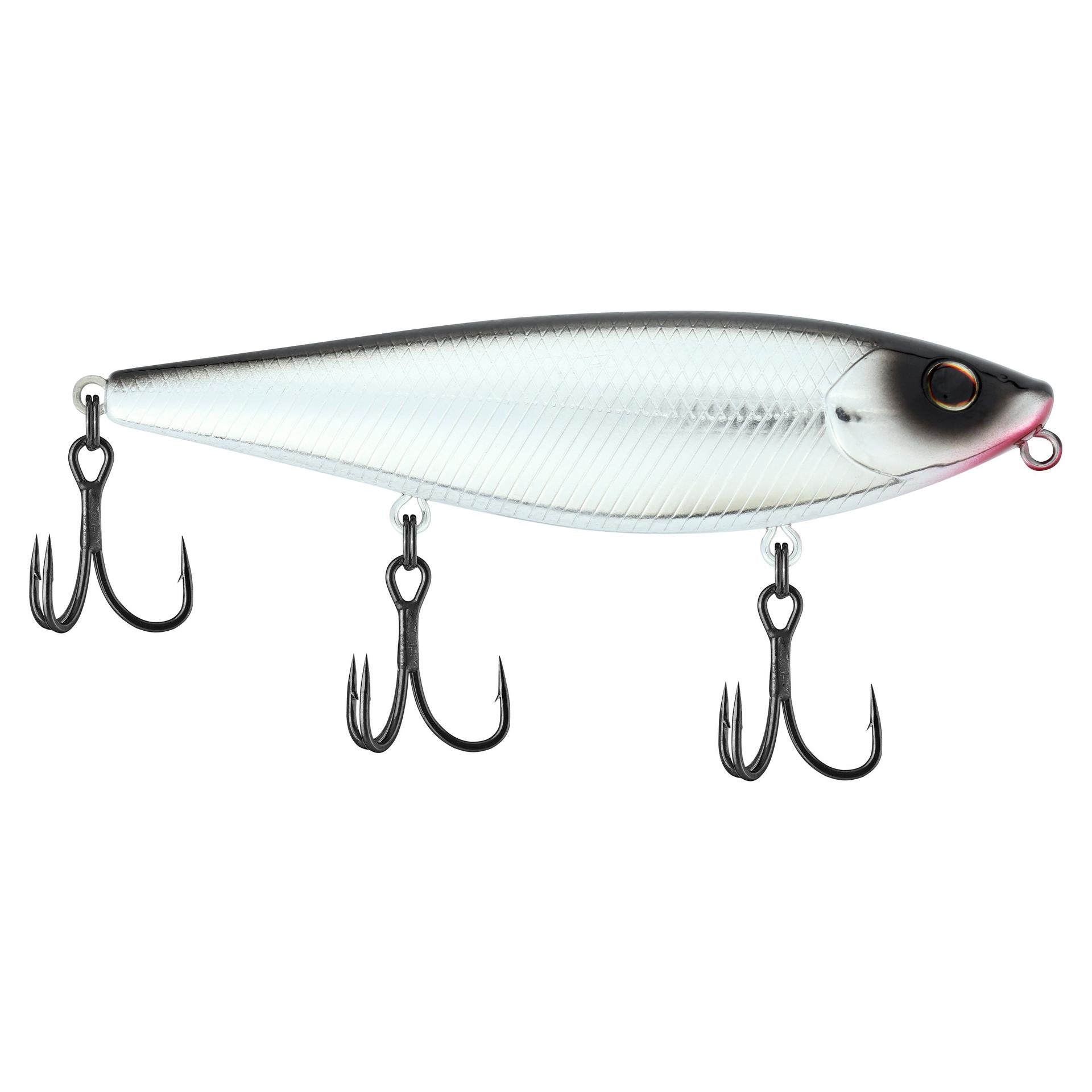
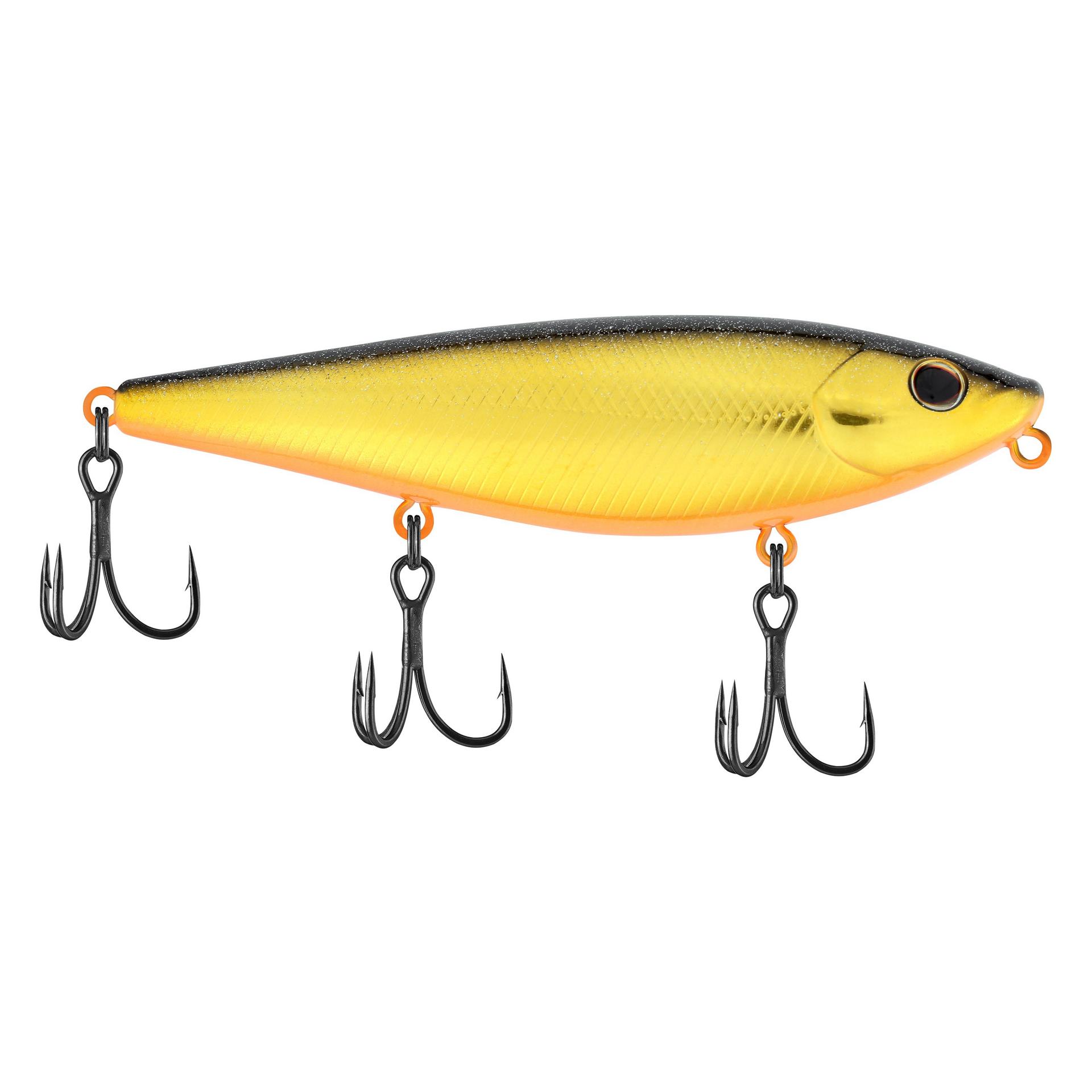
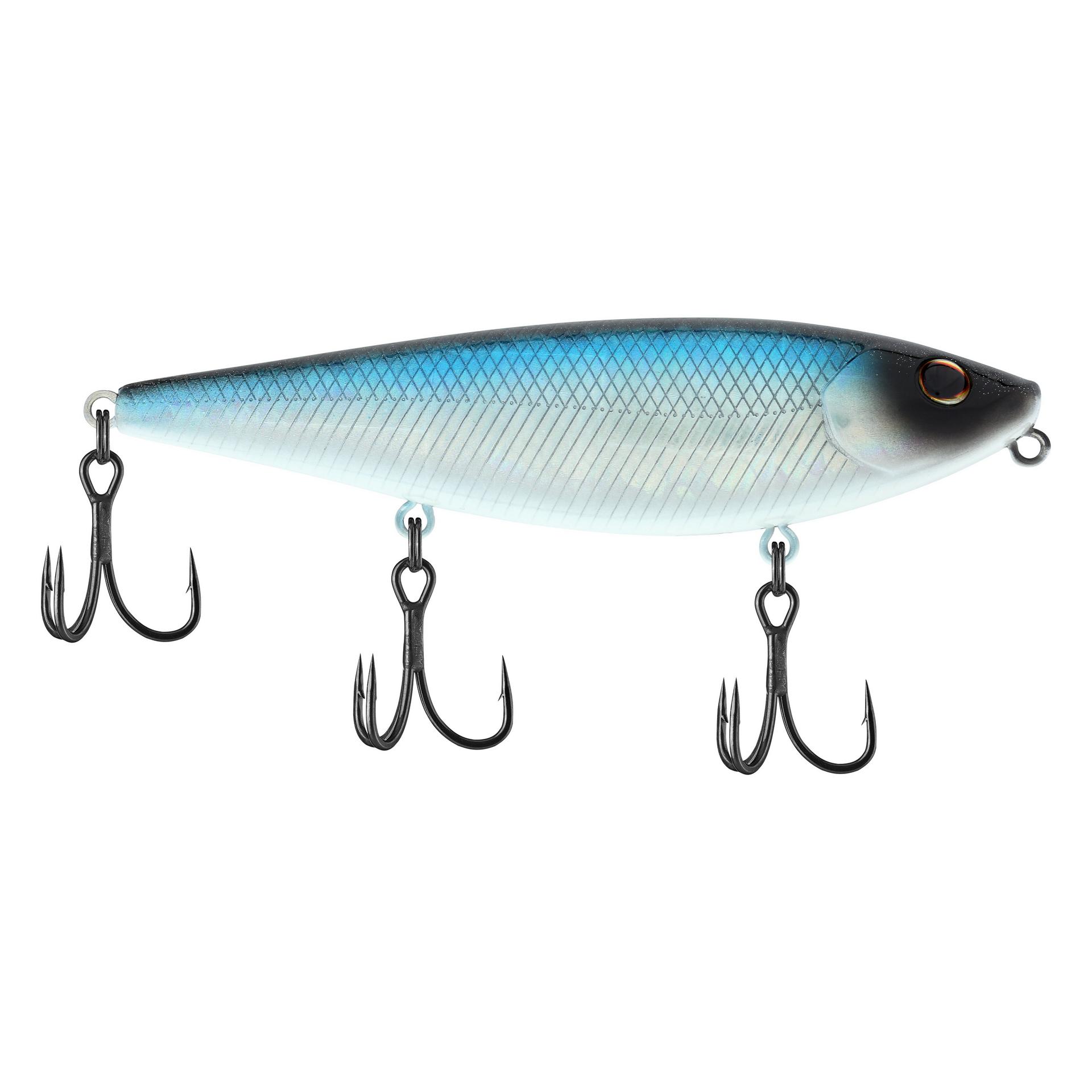
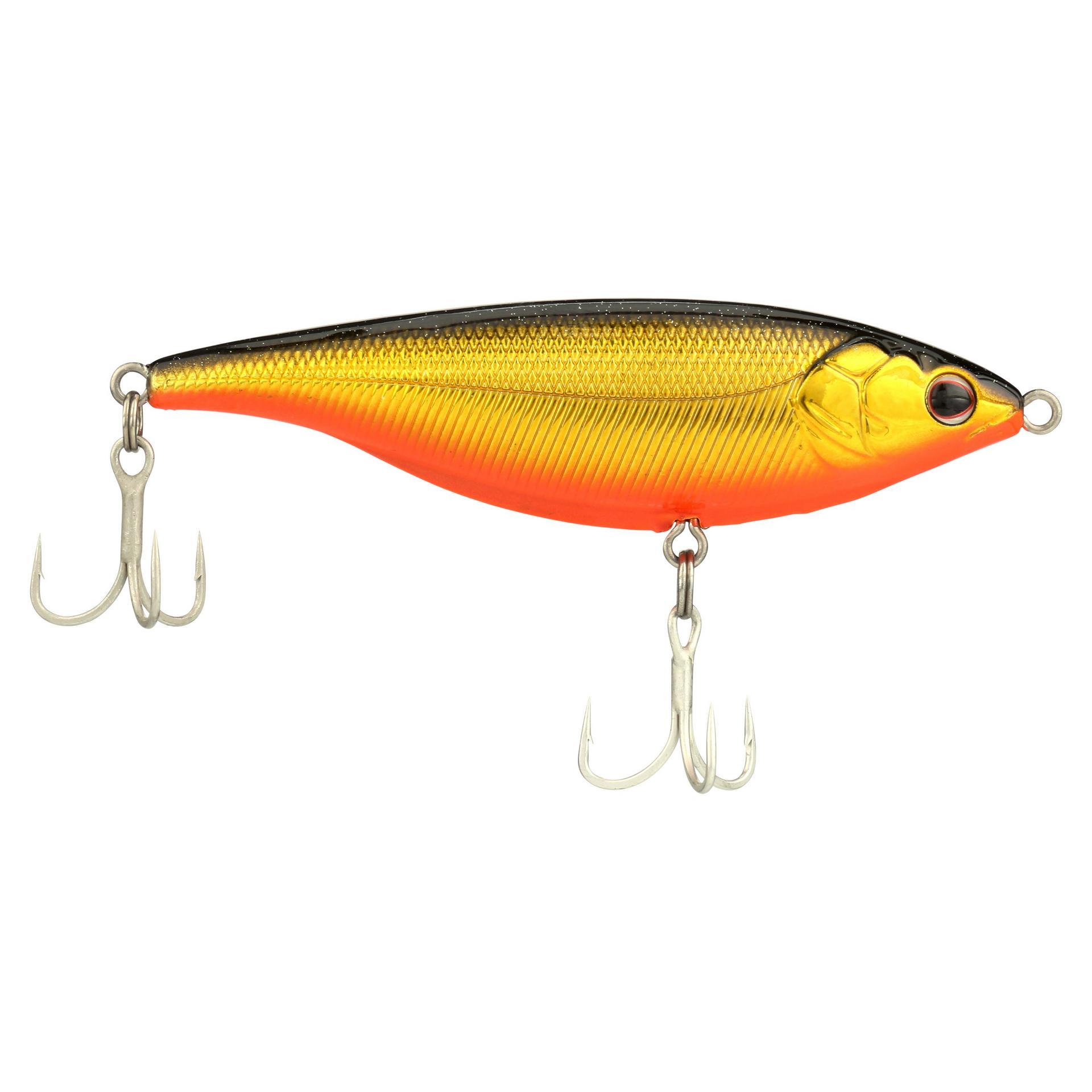
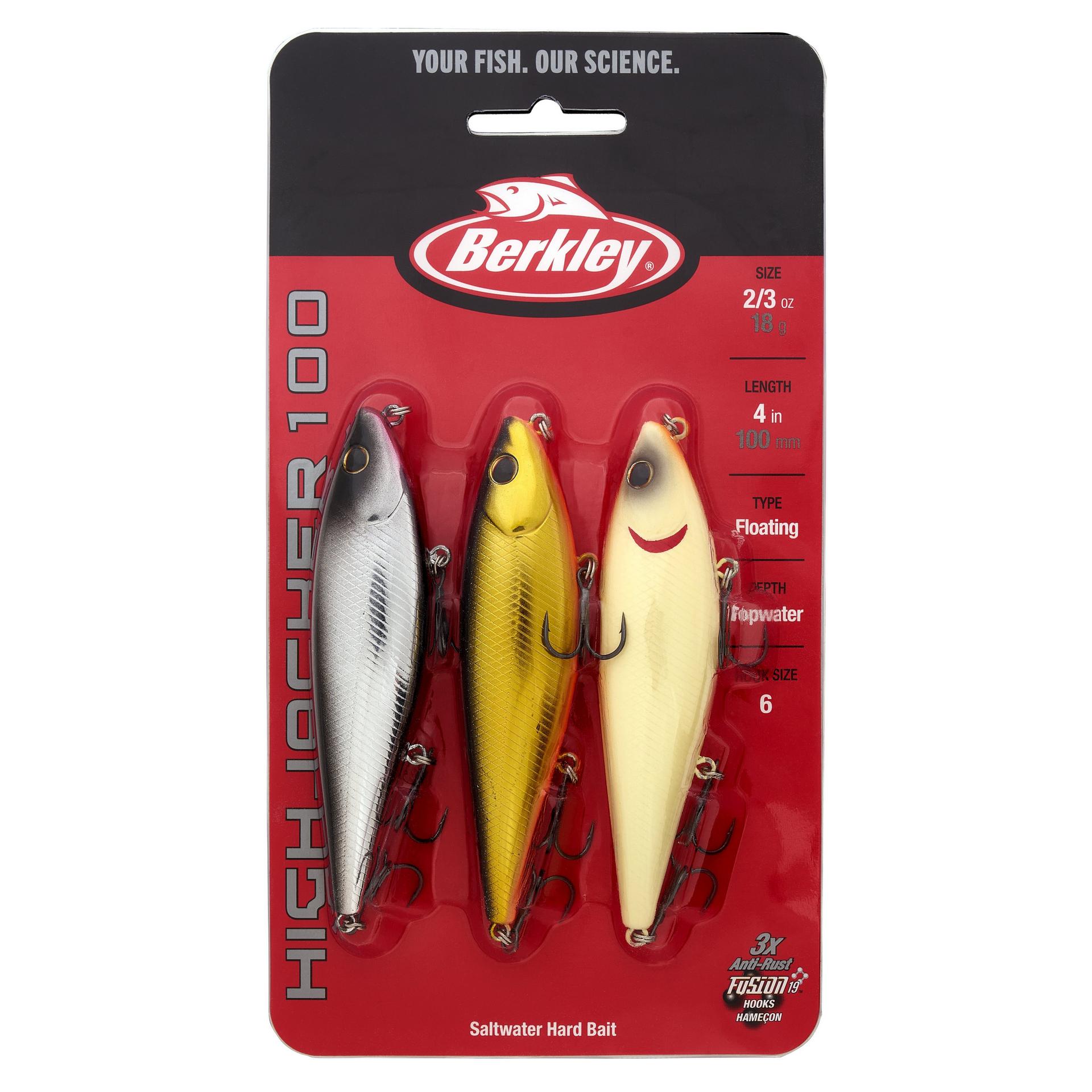
Stock up for summer with Berkley's best-selling hard baits - Now 33% off select hard baits for a limited time
Your cart is currently empty.
Stock up on what you need for your next adventure.

Stock up for summer with Berkley's best-selling hard baits - Now 33% off select hard baits for a limited time
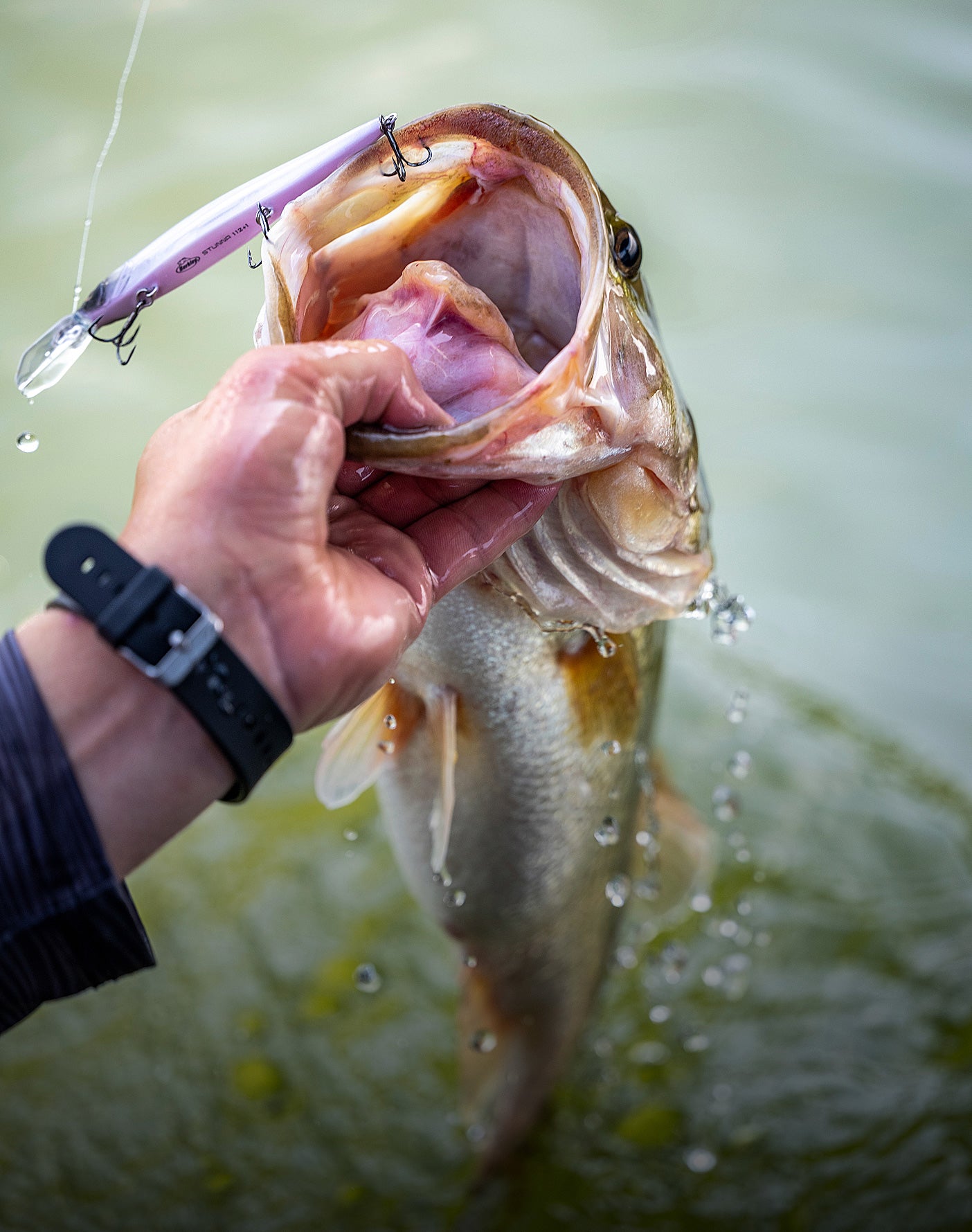
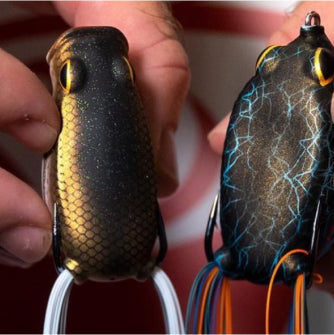
For the angler who lives for that topwater strike.
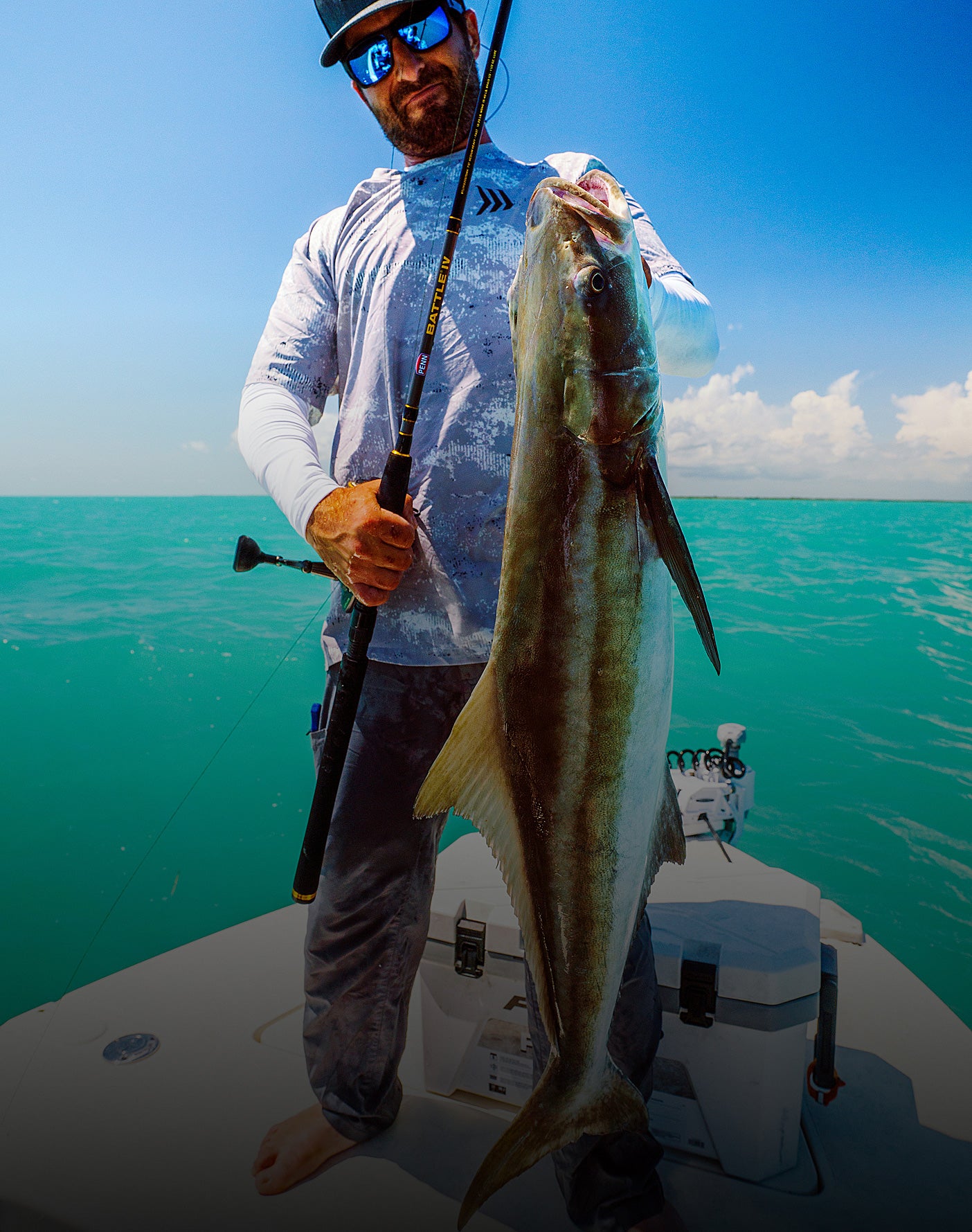
Salt, surf, and strength... built to perform in the elements.
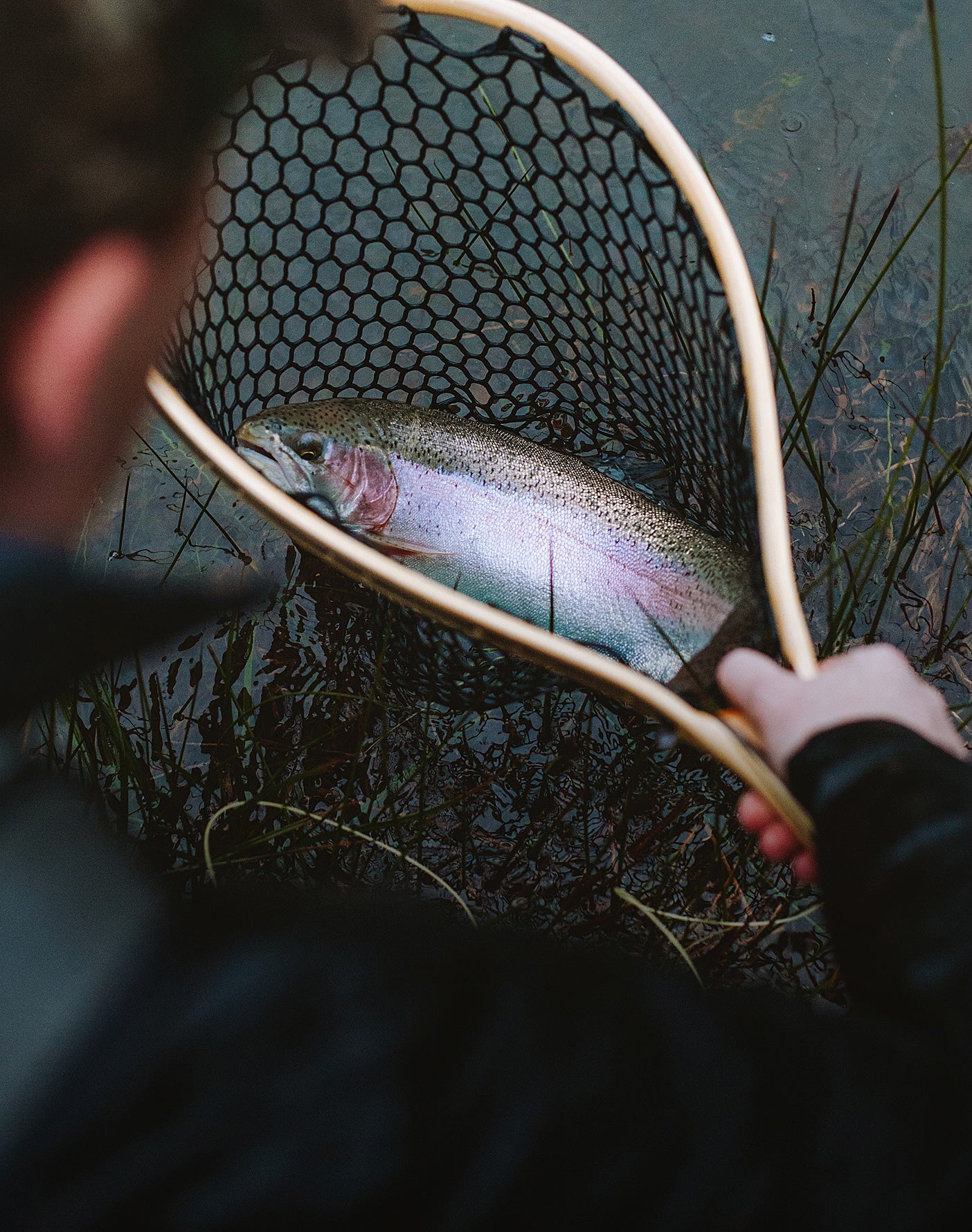
Perfect for cold-water mornings and mountain streams.

Precision baits and proven rigs engineered to outsmart walleye in any water.

Engineered for saltwater predators, Berkley hard baits, Gulp!®, and PowerBait® deliver proven durability and lifelike action.
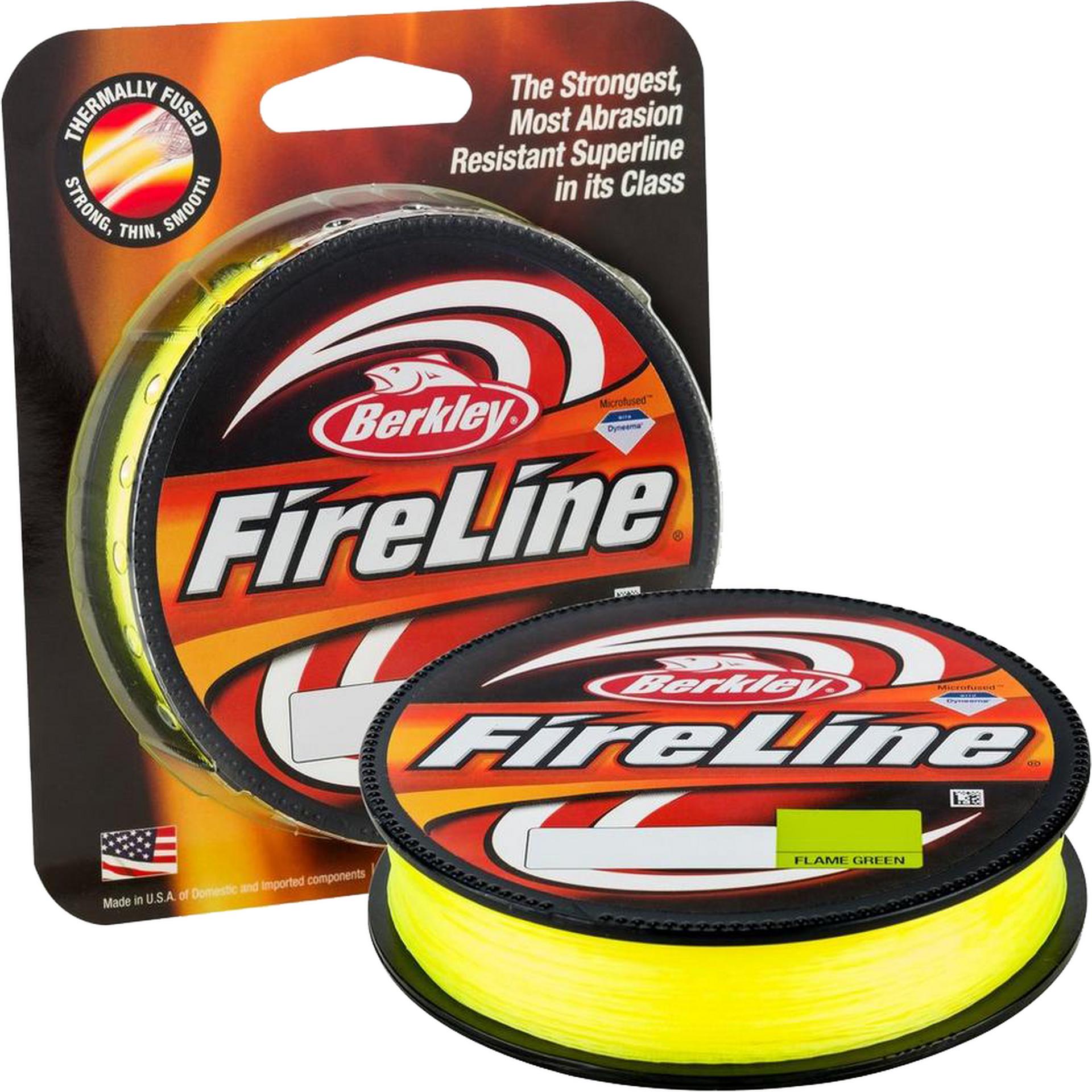
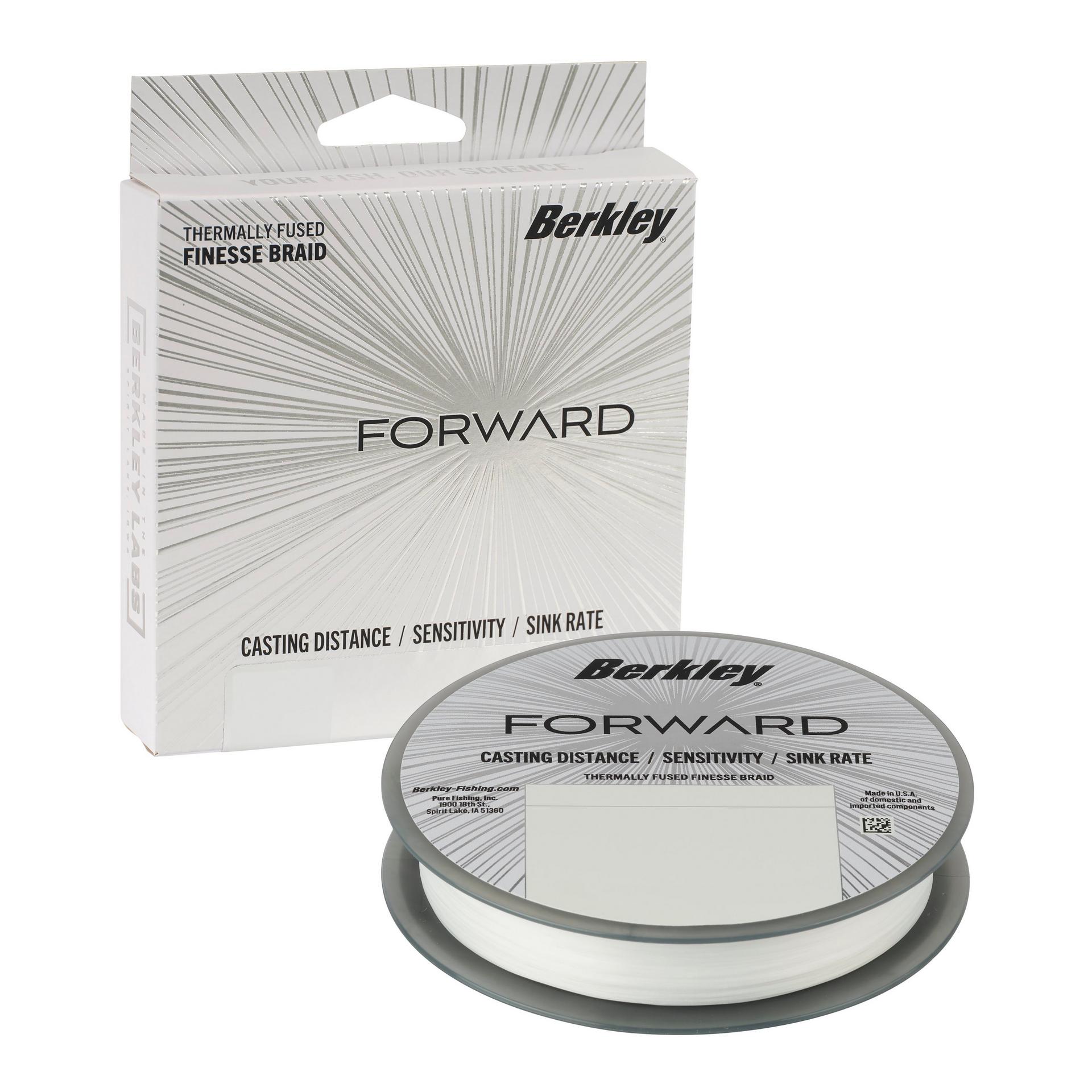
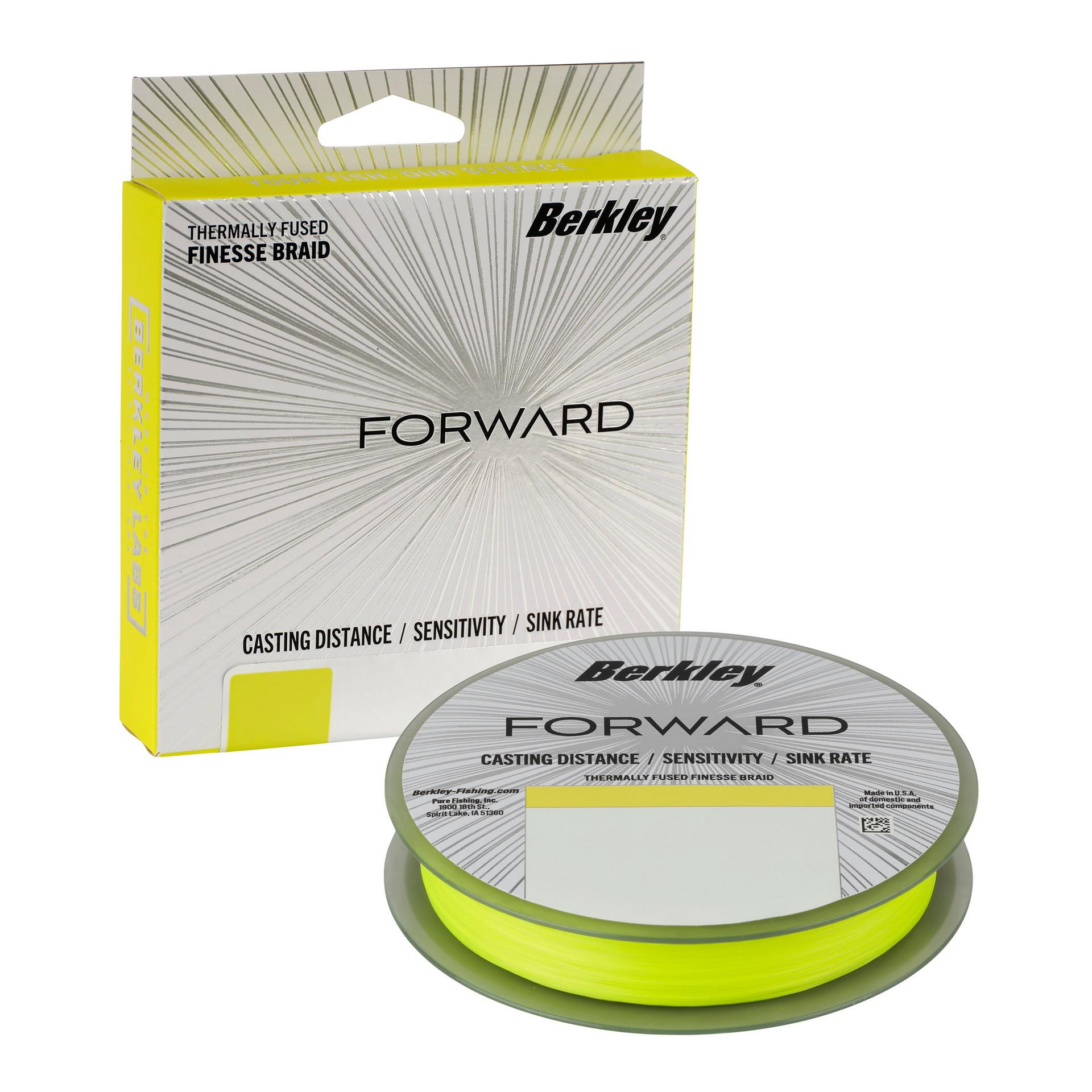
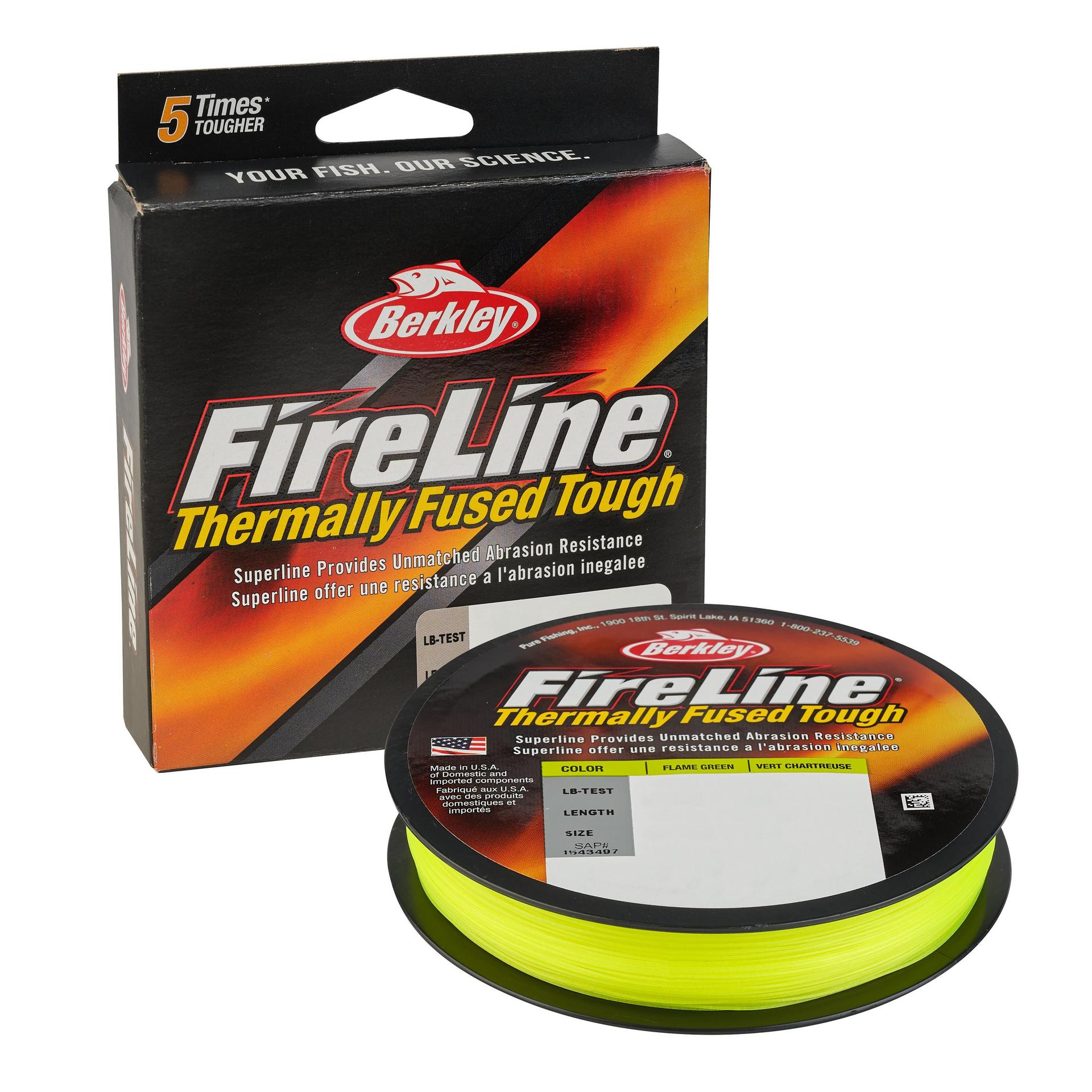
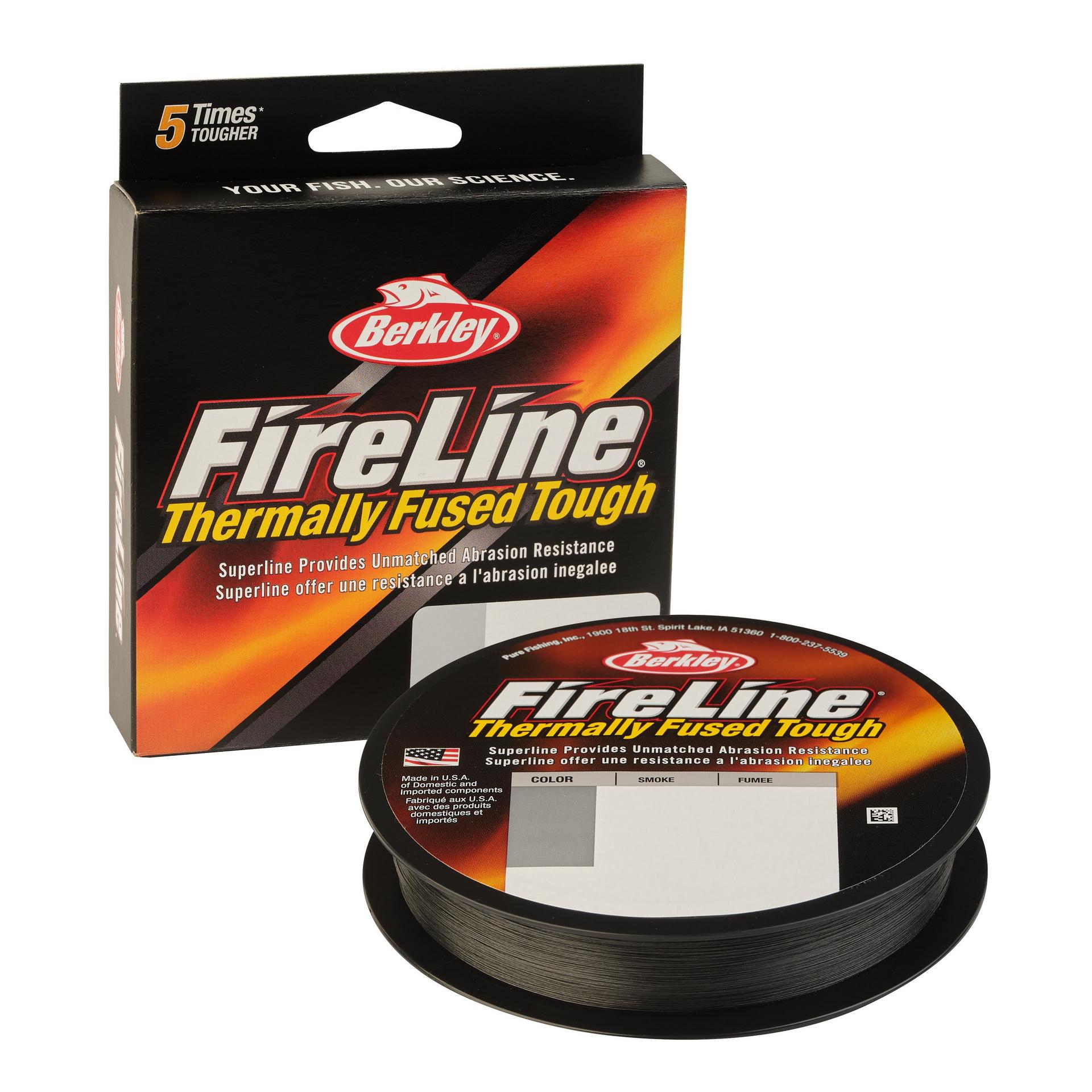
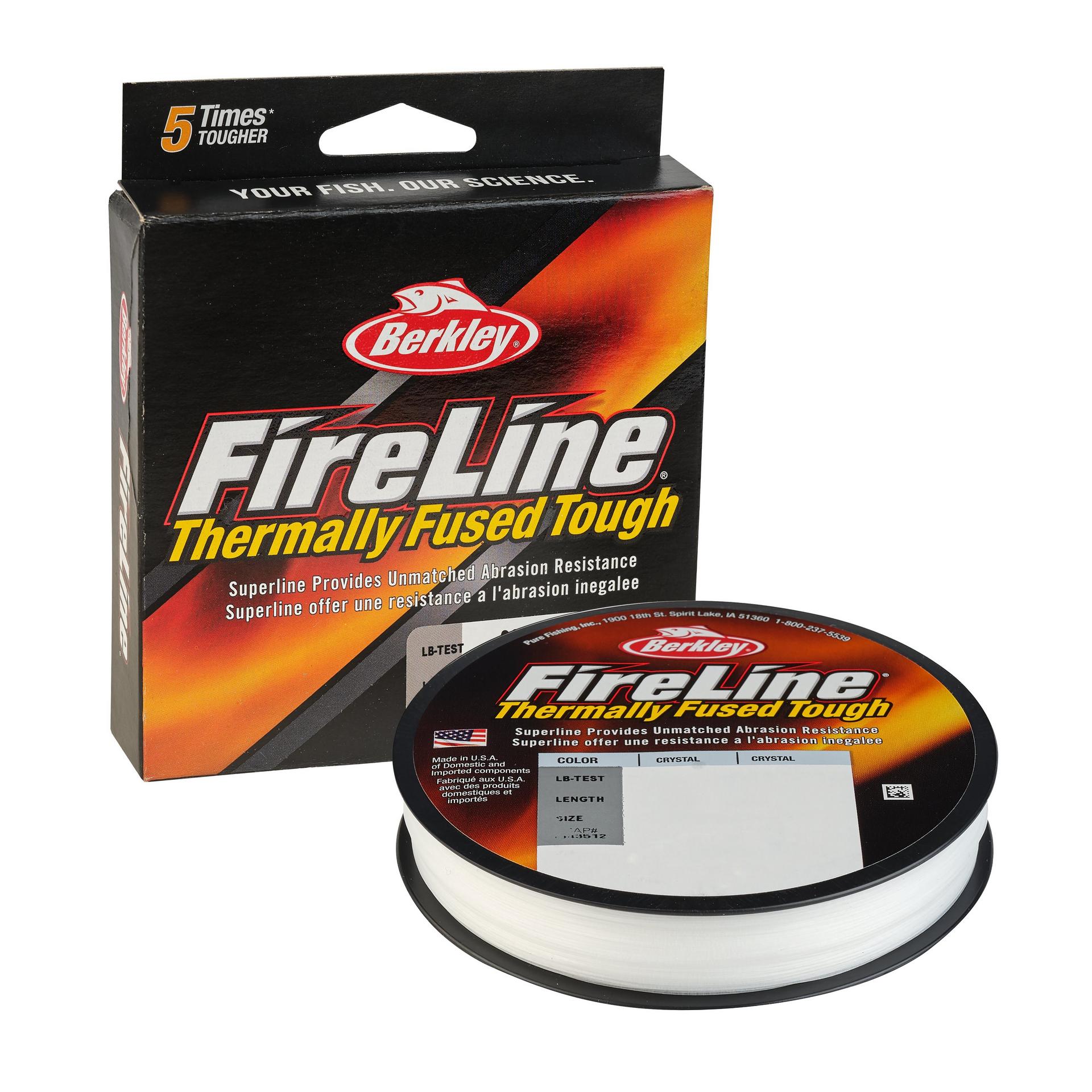
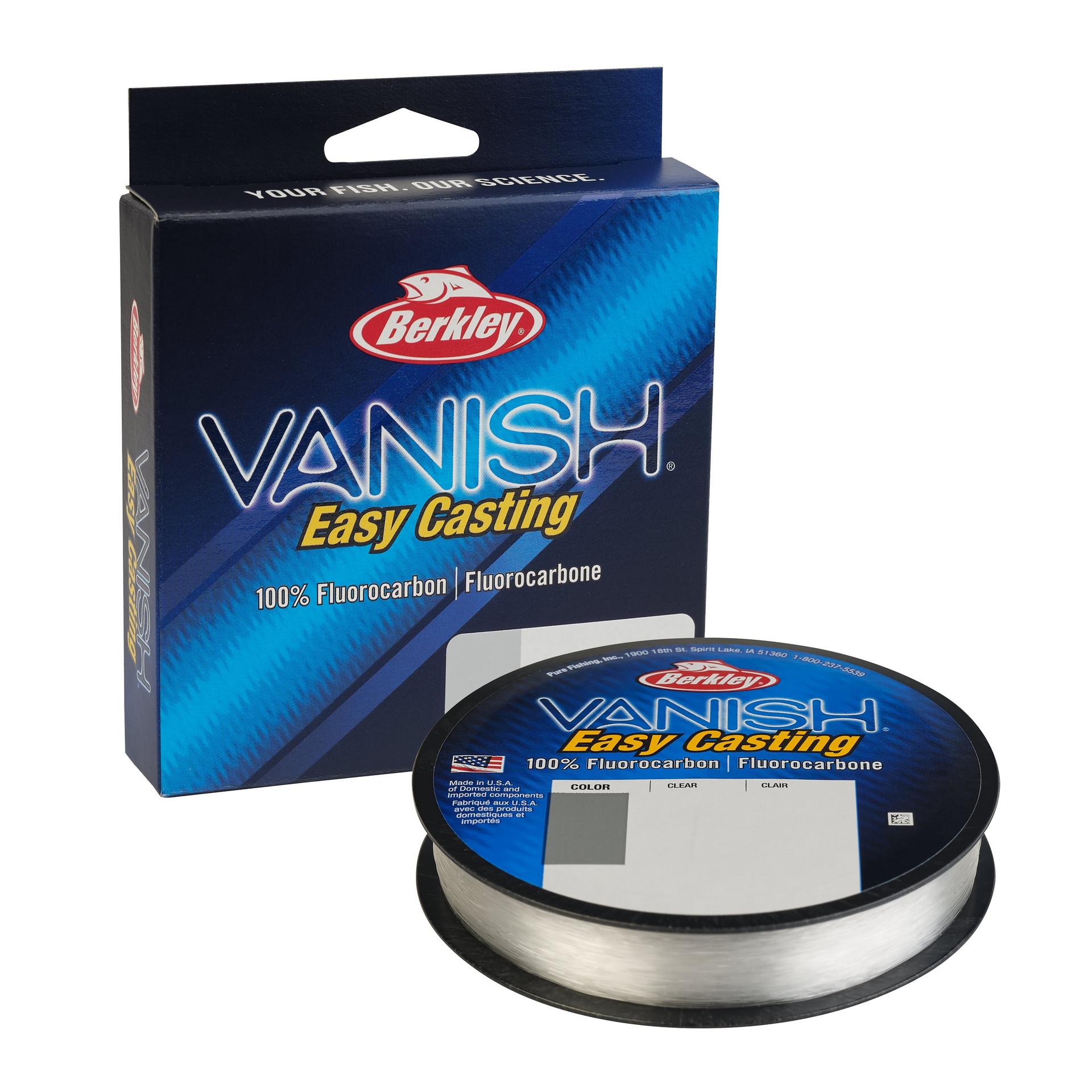
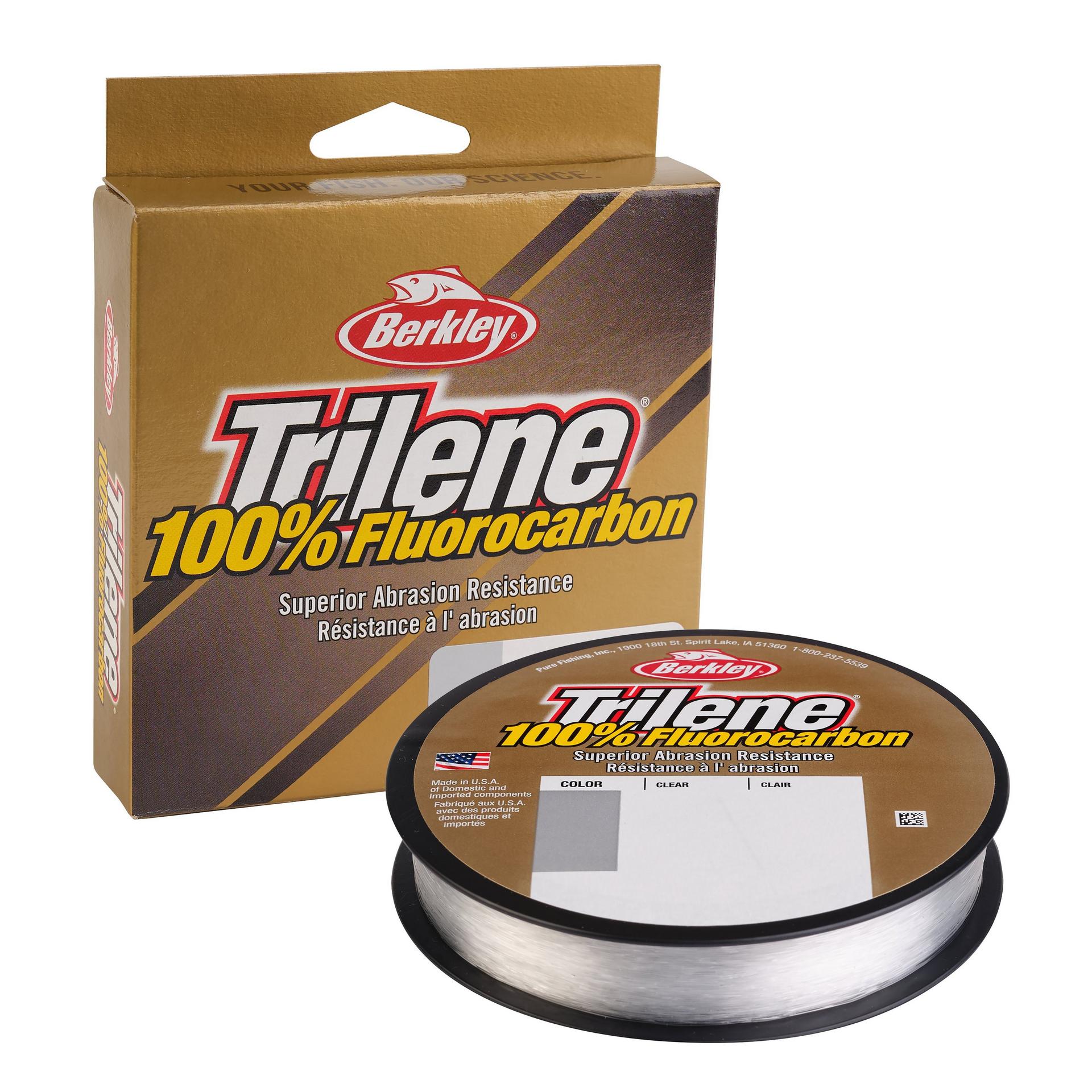
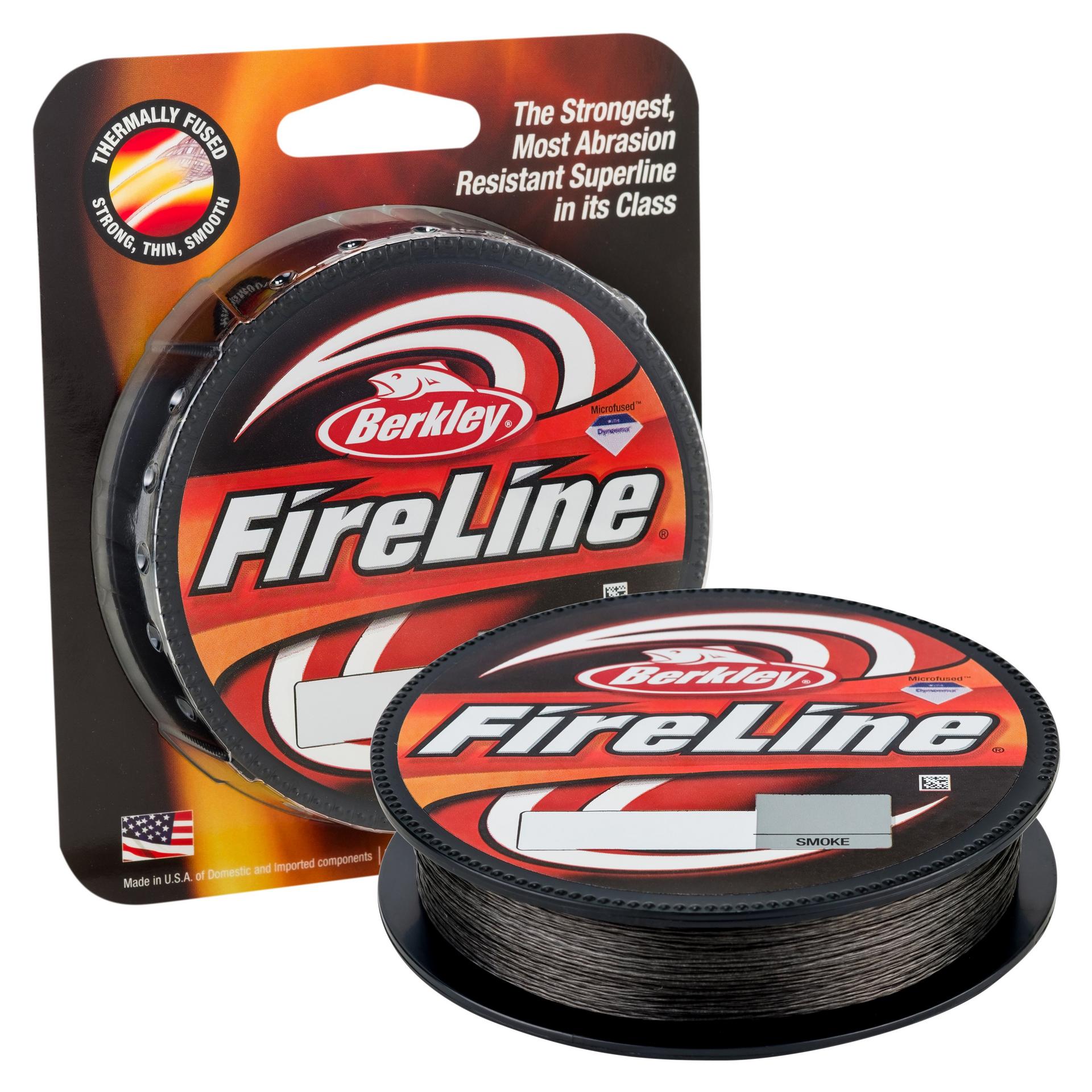
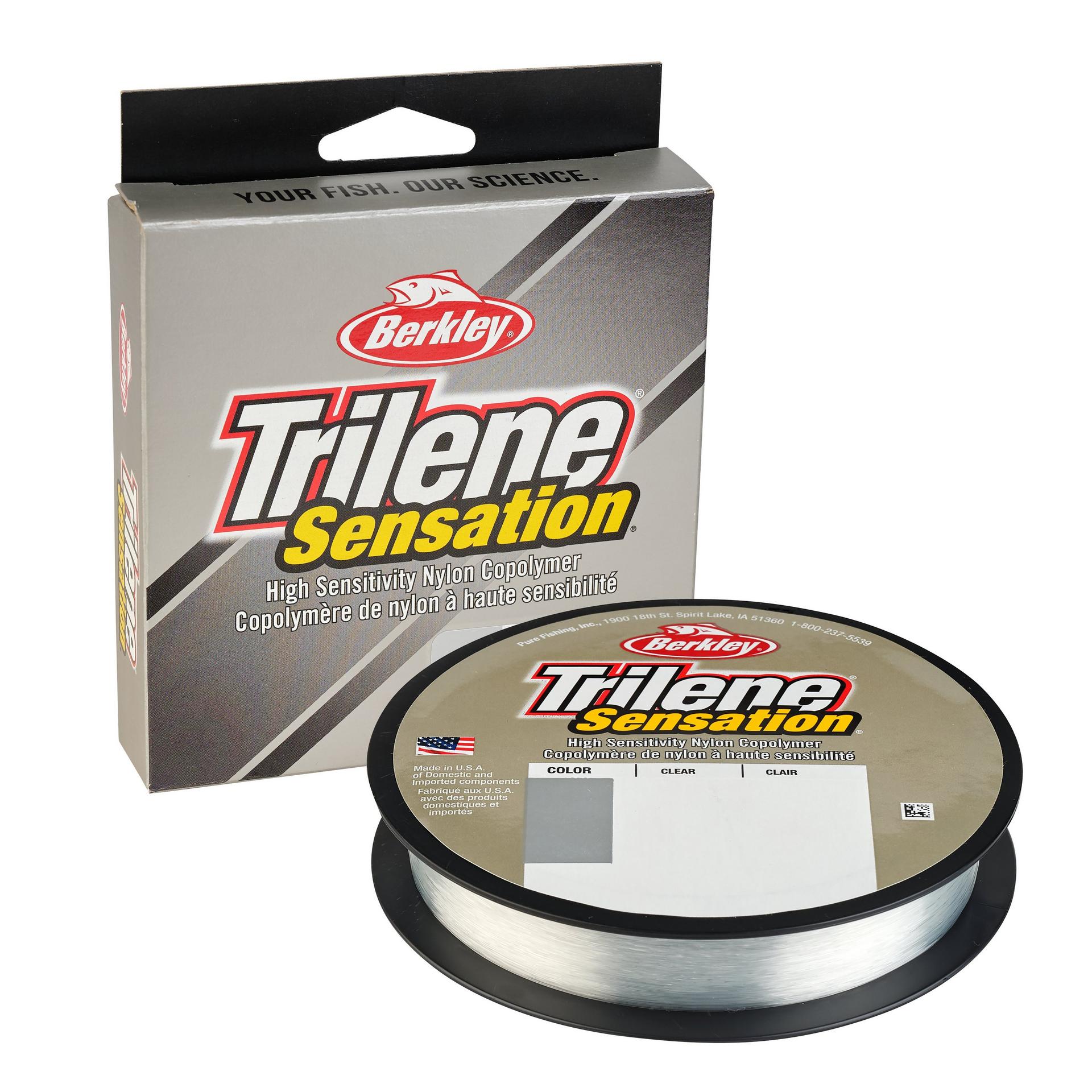
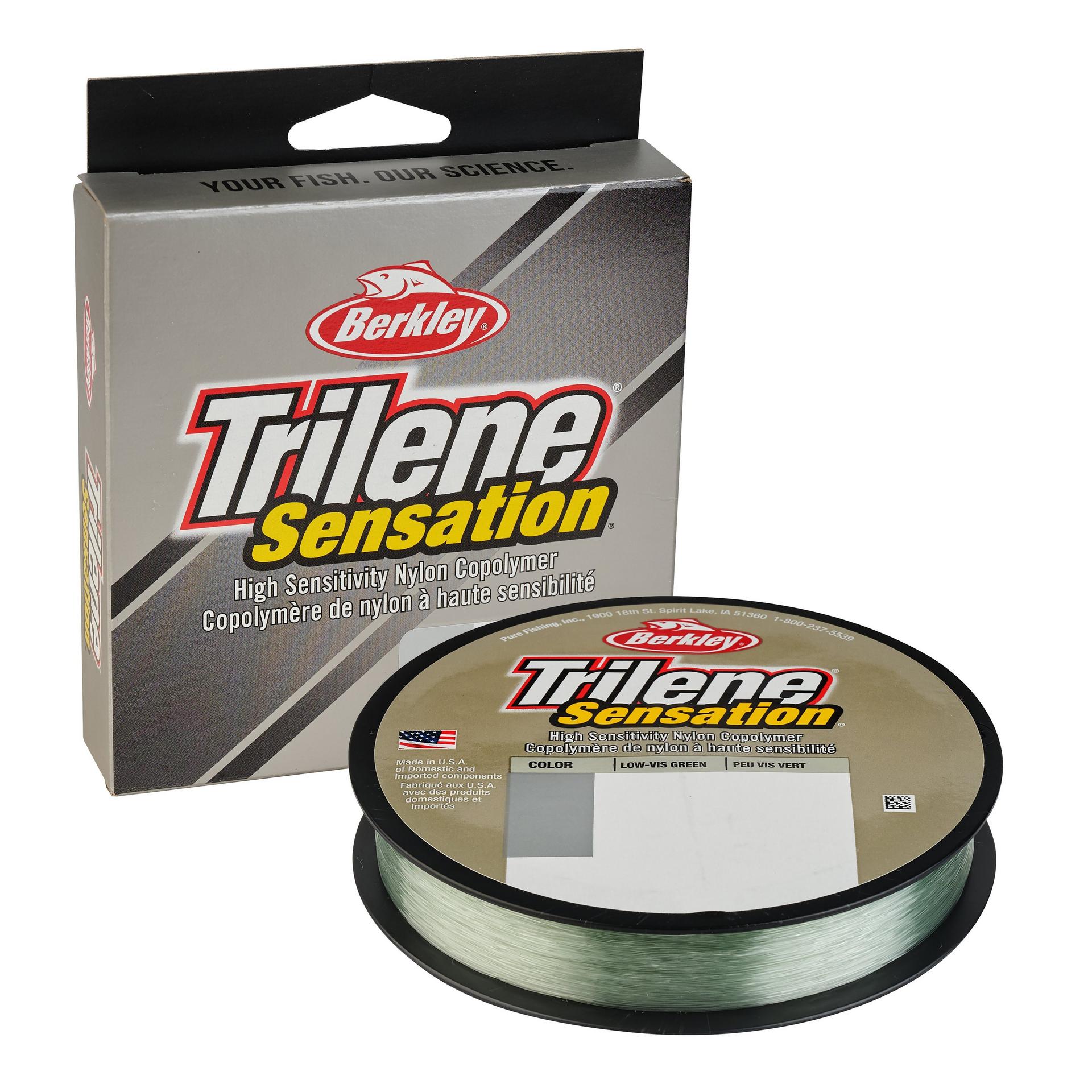
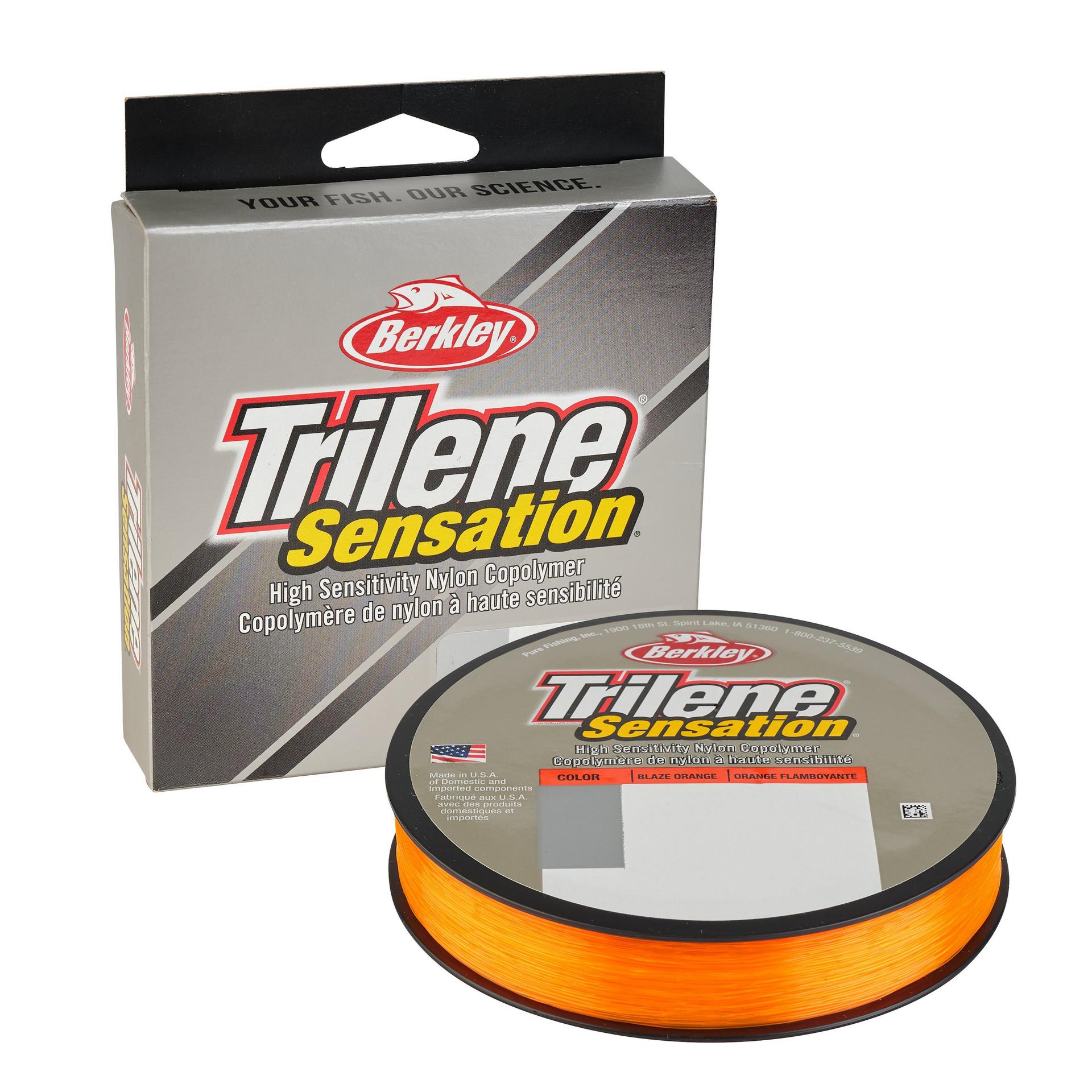
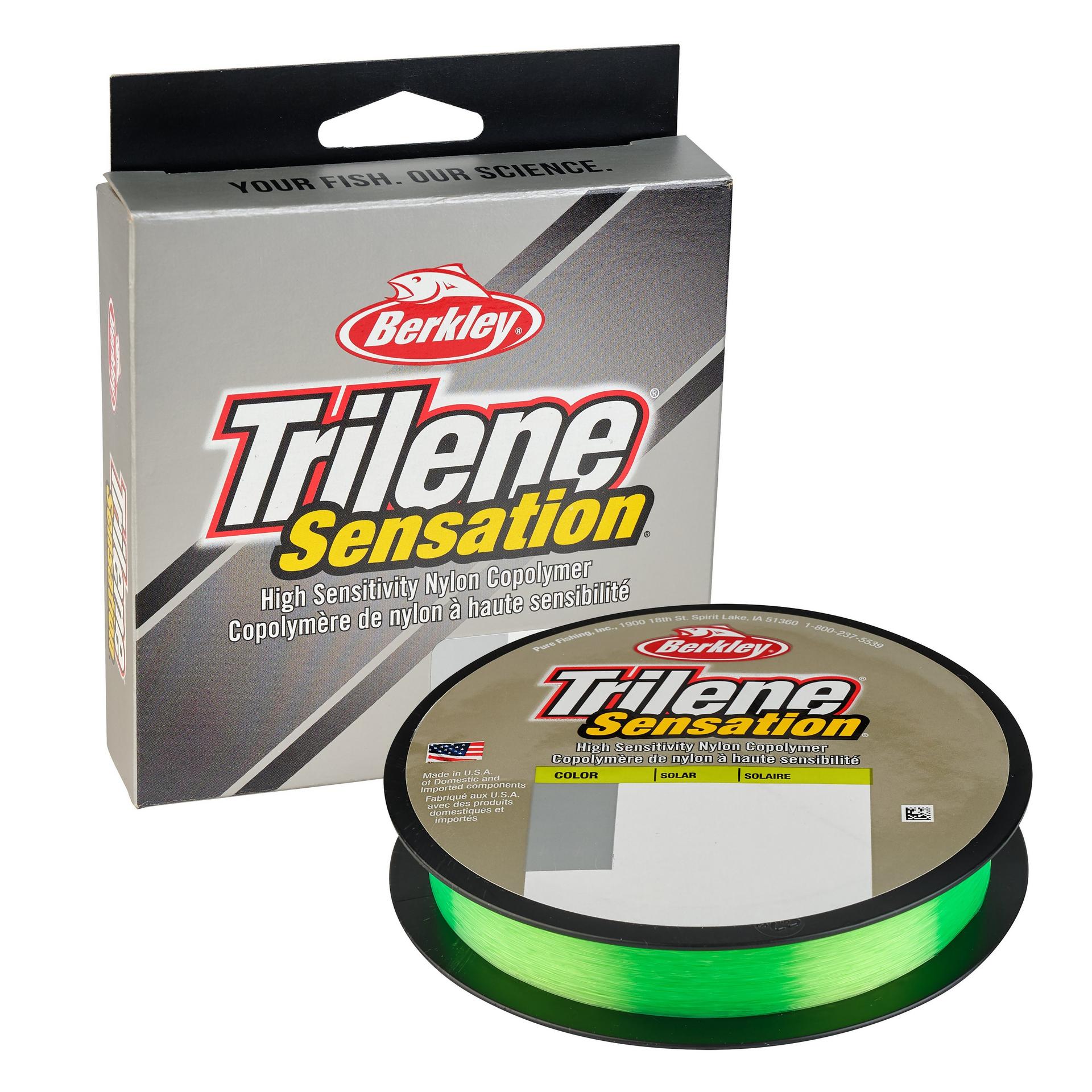
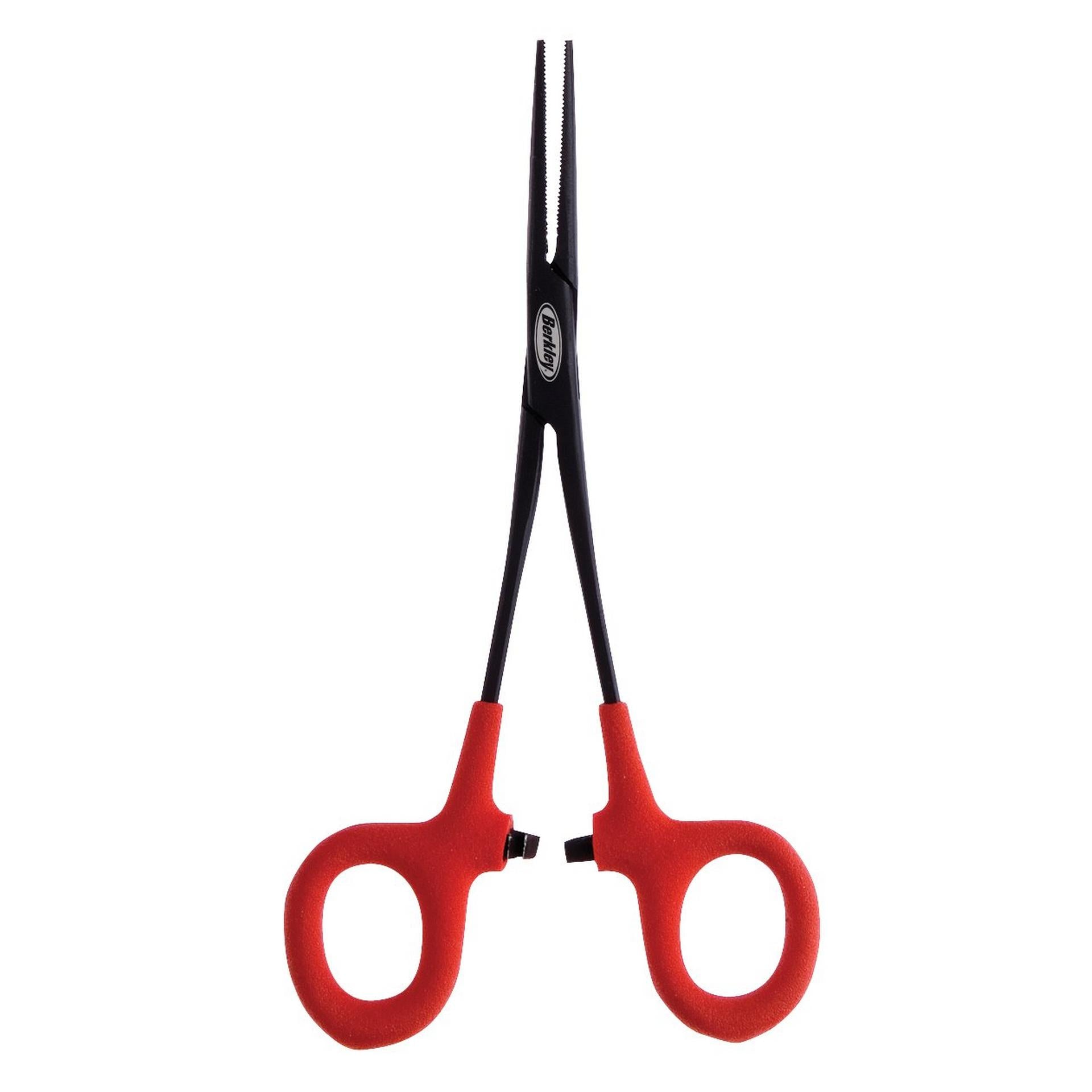
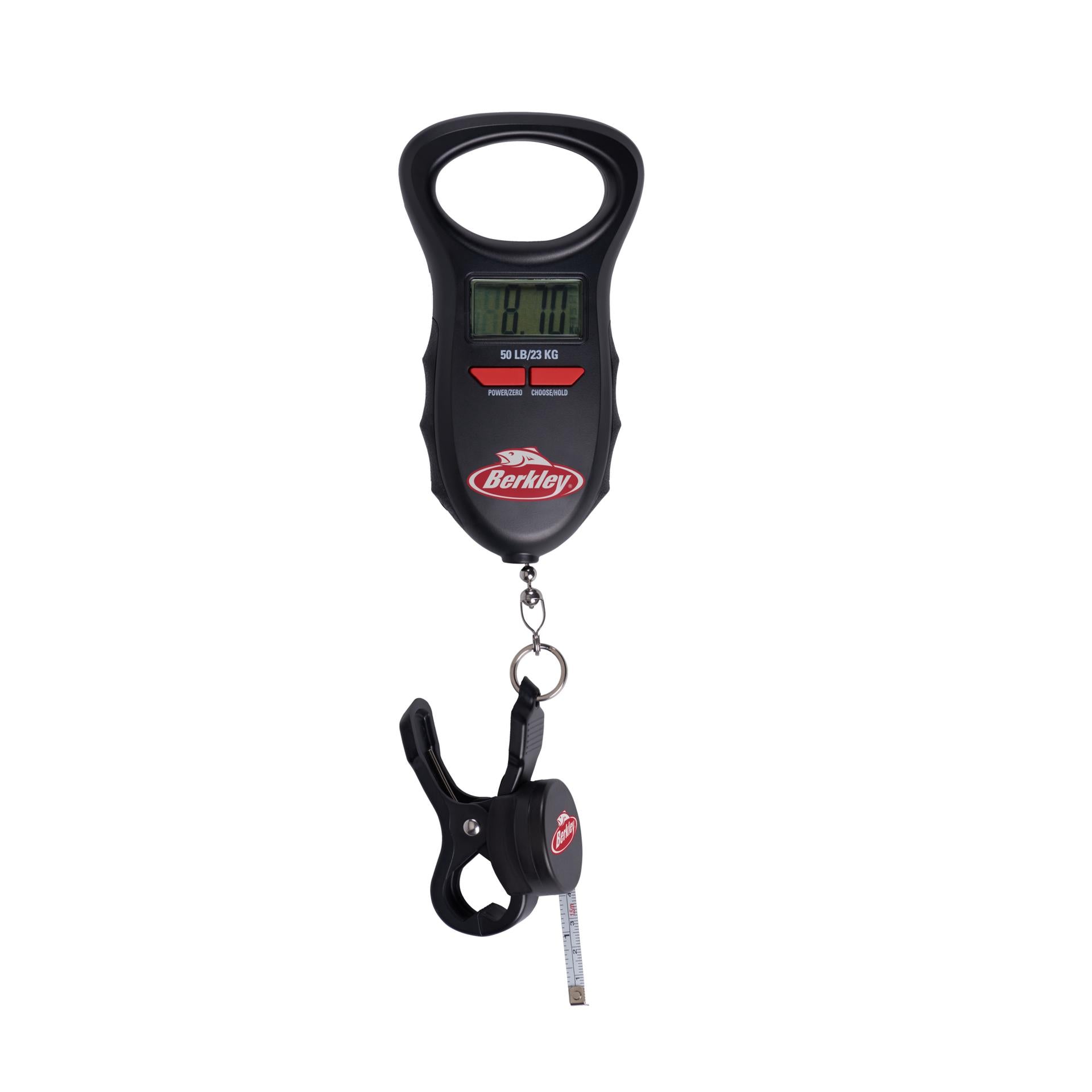
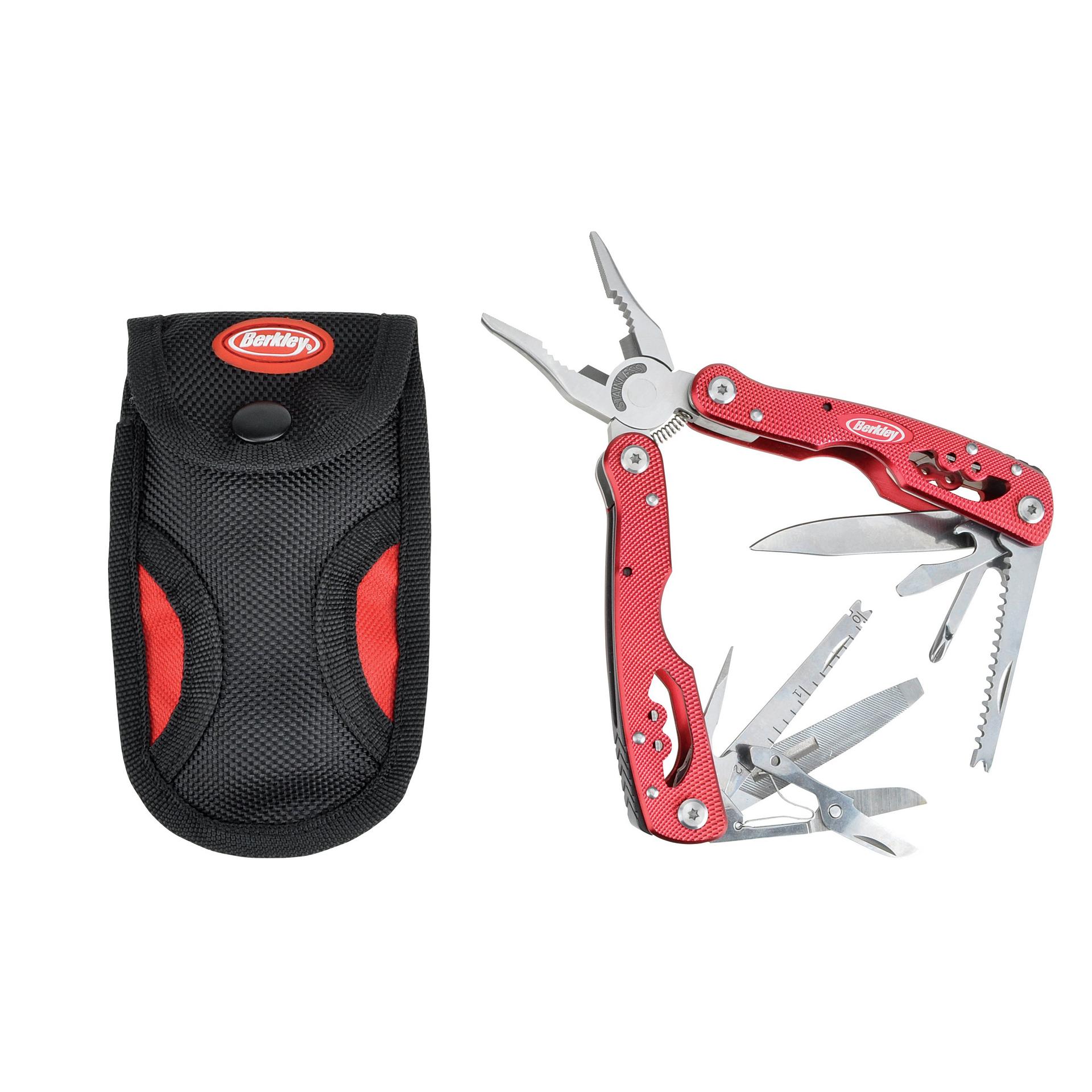
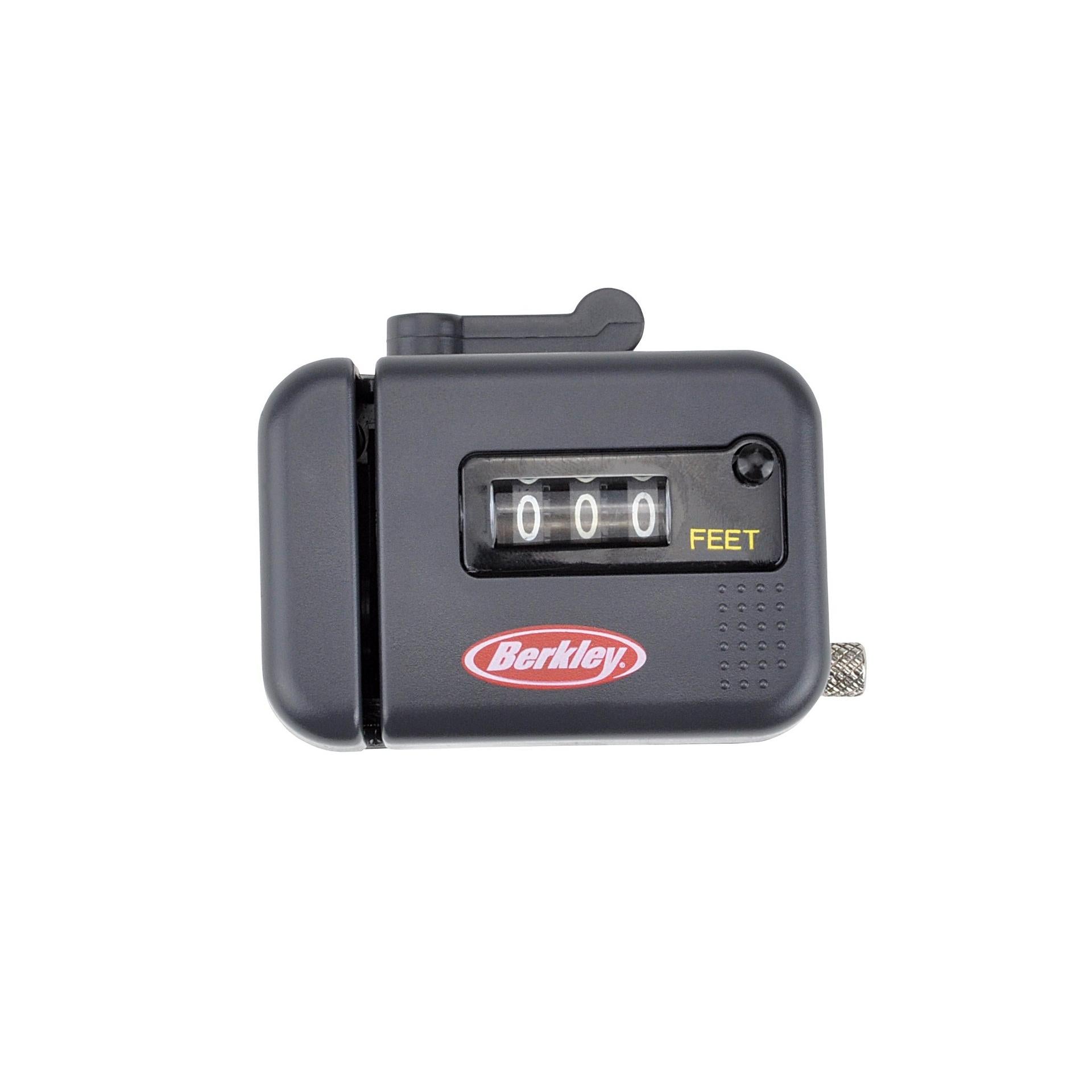
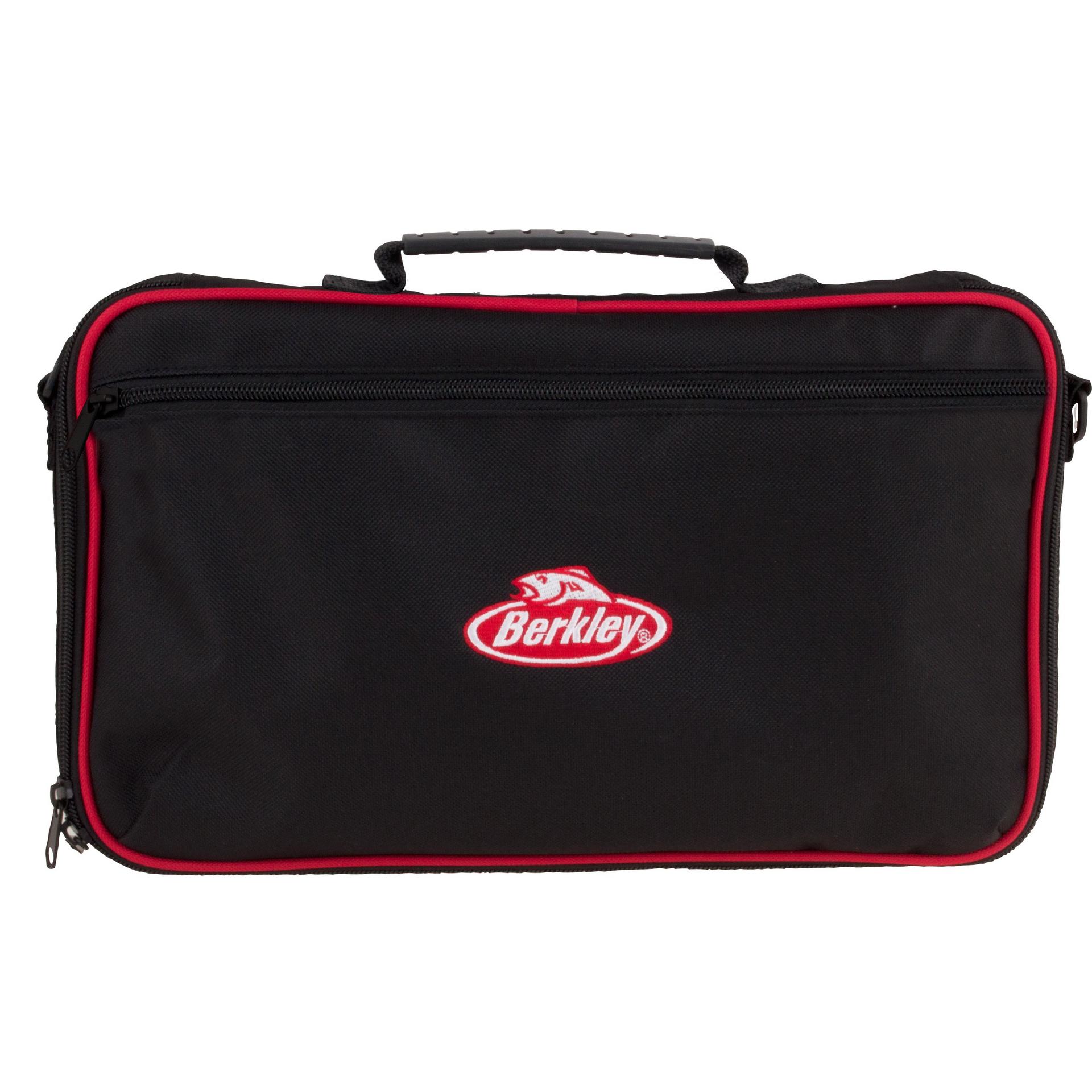
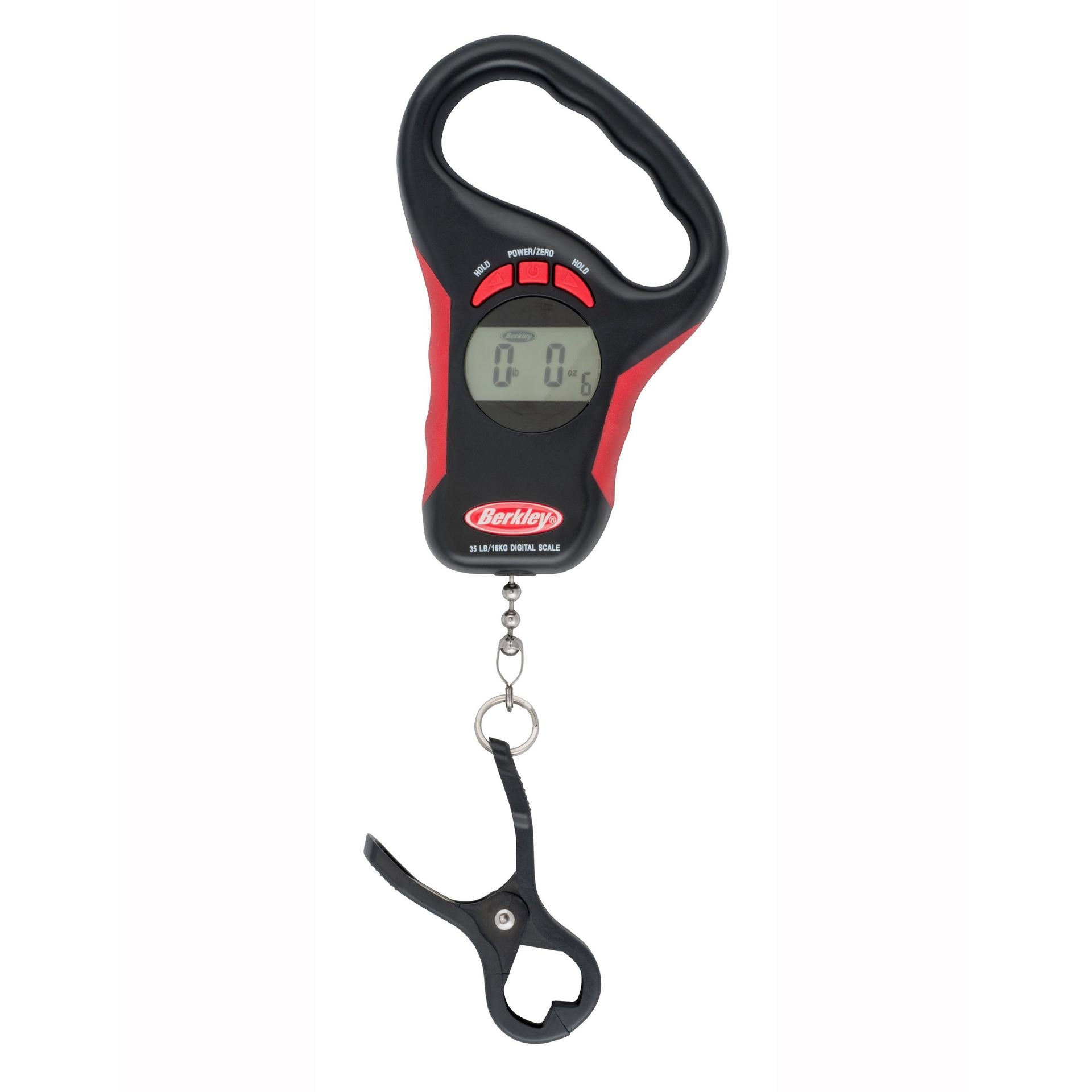
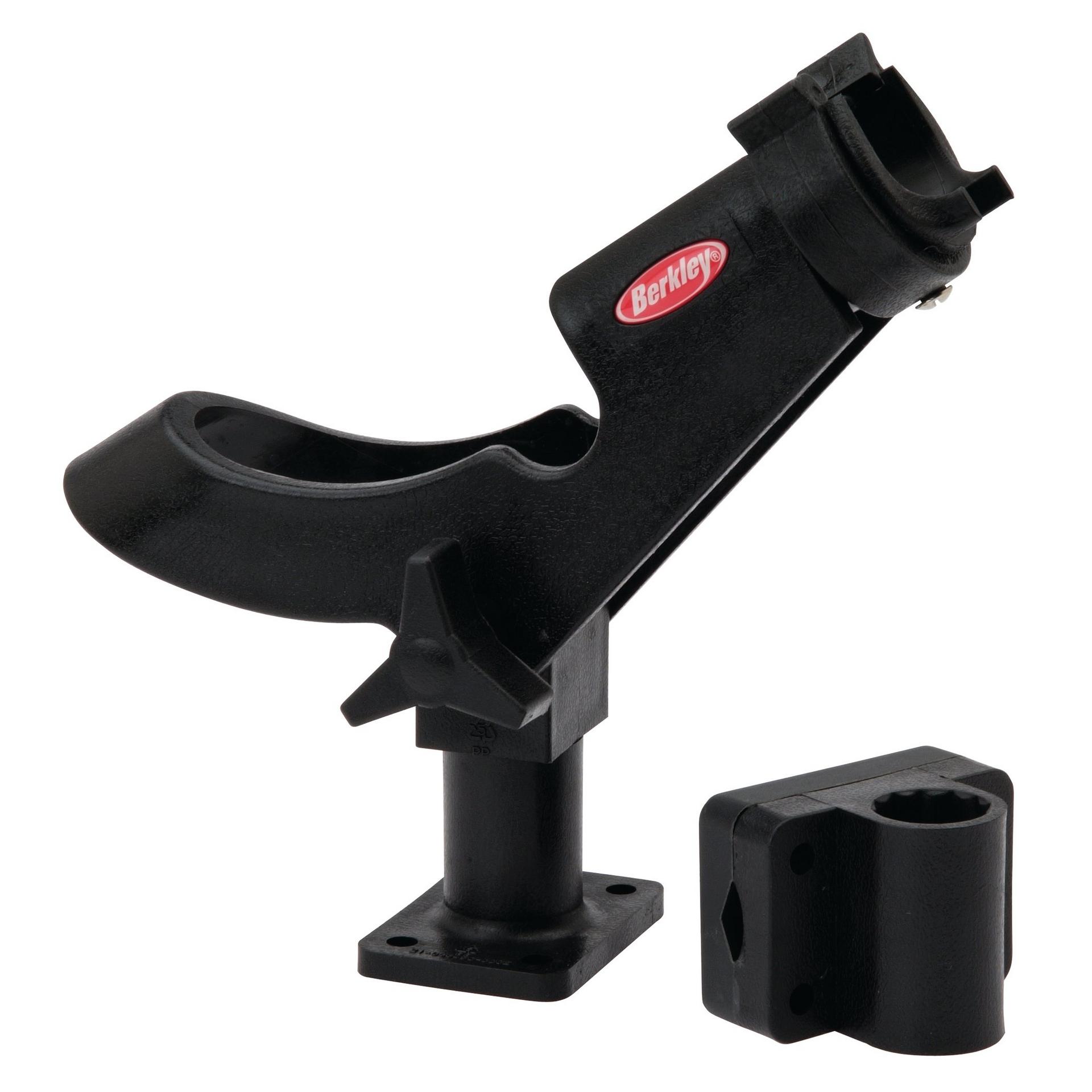
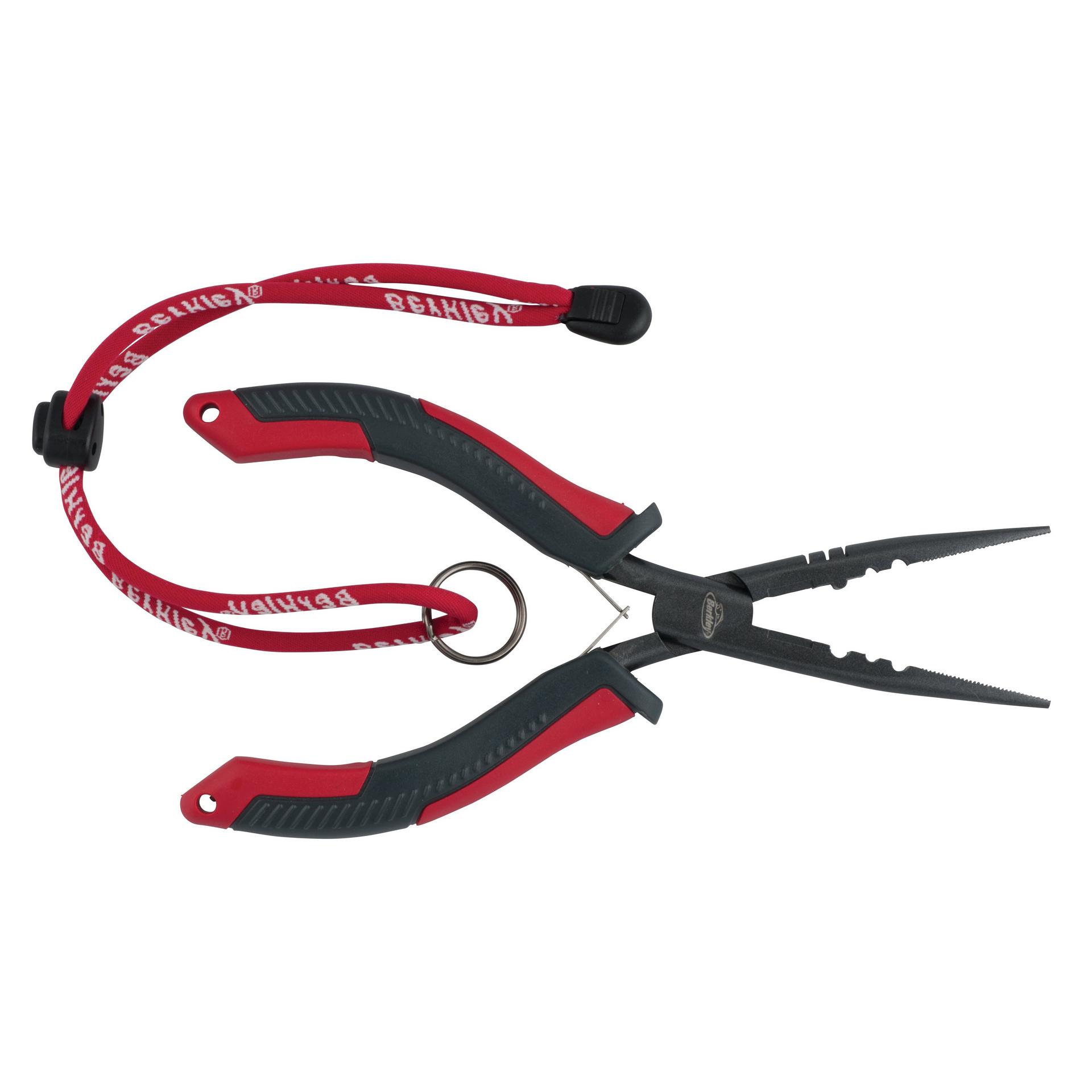
Be ready for every cast. Outfitting your gear the right way is the foundation of consistent performance and confidence on the water. From Berkley® line engineered for strength, sensitivity, and reliability, to purpose-built apparel and essential tools and accessories, this collection is designed to perform when it matters most.
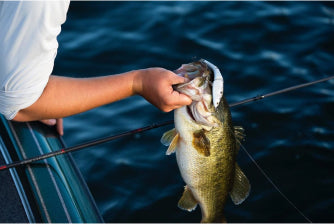
Whether you’re chasing bass close to home or pushing farther offshore, it’s always better to be prepared - because the right gear makes every bite count.